PANAMA CANAL TO FURTHER REDUCE DRAFT LIMIT FOR NEOPANAMAX VESSELS
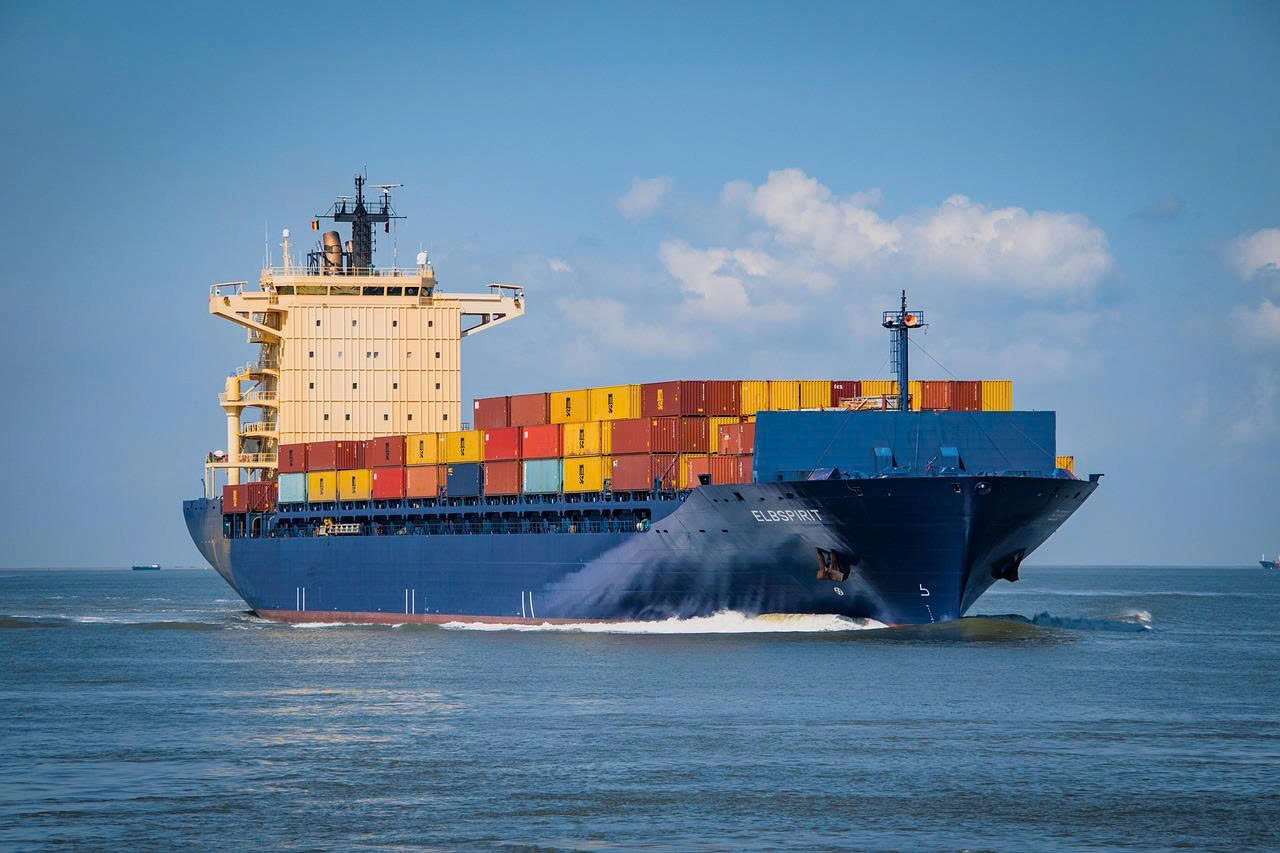
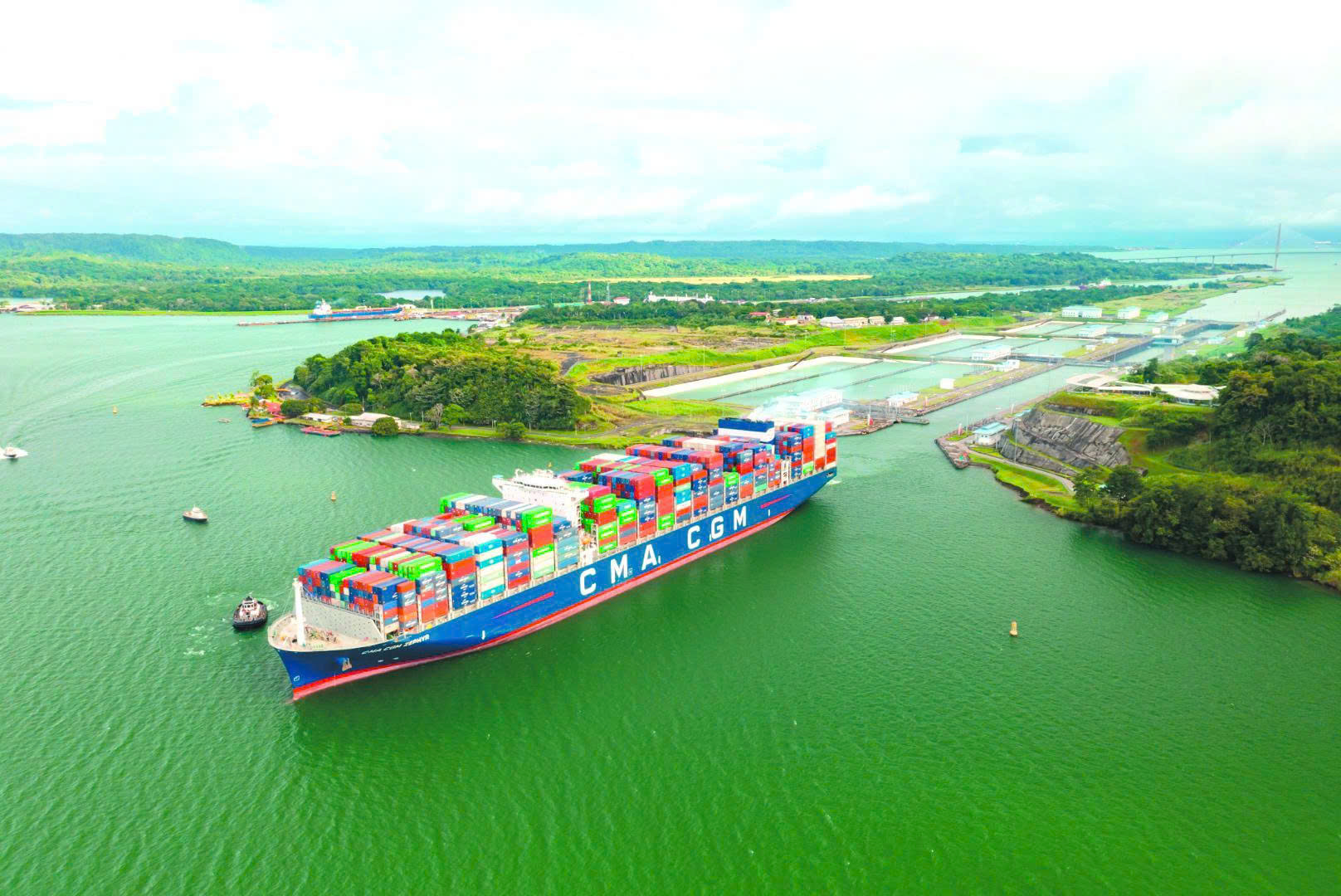
The Panama Canal will further reduce the maximum allowable draft for Neopanamax vessels from late August 2026 as water levels in Gatun Lake continue to decline.
Recent developments in the Middle East continue to have a significant impact on the global logistics industry. The ongoing closure of the Strait of Hormuz, combined with prolonged regional instability, is driving up transportation costs, affecting carrier operations, and placing additional strain on international supply chains.
As the second-half peak shipping season approaches, both ocean and air freight markets are experiencing upward pricing pressure across major trade lanes.
Container shipping: Freight rates rise ahead of peak season
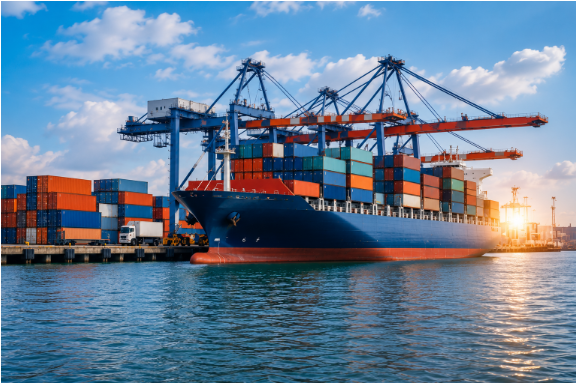
- The container shipping market is witnessing growing demand while available capacity struggles to keep pace with market recovery. In addition, elevated fuel costs and carrier capacity management strategies continue to support higher freight rates.
- On the Asia–Europe trade lane, freight rates have remained relatively stable since the outbreak of the Middle East conflict. However, vessel diversions away from the Red Sea have significantly extended transit times, prompting many European importers to advance their purchasing schedules in preparation for the year-end shopping season.
- According to market data from mid-May 2026, freight rates from Asia to Northern Europe were approximately USD 2,800 per FEU, while rates to the Mediterranean stood at around USD 3,600 per FEU. Several ocean carriers are targeting additional rate increases of approximately USD 2,000 per FEU from June 2026, although the market remains cautious about whether such increases can be sustained.
- On the Trans-Pacific trade lane, freight rates have risen by approximately USD 1,000 per FEU since the conflict began. Recent market levels were reported at around USD 2,800 per FEU to the U.S. West Coast and USD 4,300 per FEU to the U.S. East Coast. Several carriers have already implemented mid-month General Rate Increases (GRIs) in anticipation of the upcoming peak season.
- One of the most notable consequences of the Middle East crisis is the continued avoidance of the Red Sea and Suez Canal by many shipping services, resulting in substantially longer transit times than usual.
- As a result, European importers are adjusting their procurement schedules several weeks earlier than in previous years. Shipments departing after mid-October may face a higher risk of missing the year-end holiday sales season, creating significant challenges for supply chain planning.
Air freight market gradually recovers, but rates remain elevated
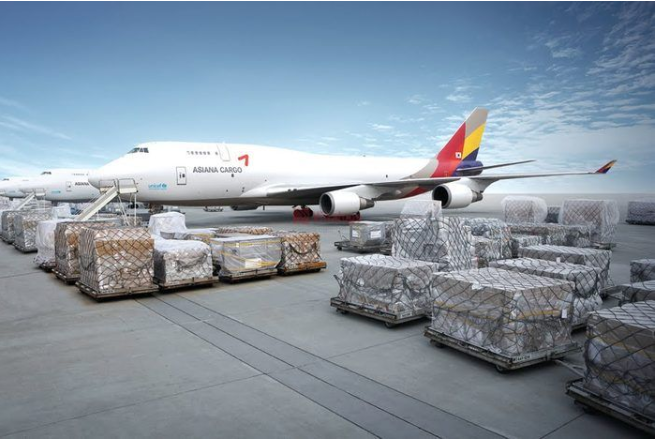
- In addition to ocean freight, the air cargo sector has also been significantly affected by geopolitical disruptions across the region.
- After experiencing a sharp decline in March, air cargo volumes from the Middle East partially recovered in April and continued to improve throughout May 2026. Nevertheless, overall shipment volumes remain below pre-conflict levels.
- This recovery has been supported by Gulf carriers adding capacity and progressively restoring services. Some Asia–Europe cargo flows have also begun returning to Gulf transit hubs as operations gradually resume.
- Despite these improvements, air freight rates remain elevated. Data from the Freightos Air Index indicates that air cargo rates from China, South Asia, and Southeast Asia to Europe are still at least 50% higher than pre-conflict levels.
- Notably, air freight rates from Southeast Asia to the Middle East surpassed USD 4.75 per kilogram last week and have continued to rise. Similarly, rates from South Asia to the Middle East have climbed above USD 4.00 per kilogram, compared with approximately USD 2.70 per kilogram just one month earlier.
- As freight rates continue to be influenced by geopolitical tensions, rising fuel costs, and peak-season demand, importers and exporters should take a more proactive approach to logistics planning.
- Early booking arrangements, close monitoring of market developments, diversified transportation strategies, and partnerships with experienced logistics providers can help businesses mitigate cost risks and maintain delivery reliability during a period of continued market uncertainty.
Source: Compiled
The Panama Canal will further reduce the maximum allowable draft for Neopanamax vessels from late August 2026 as water levels in Gatun Lake continue to decline.
In modern logistics, delays are no longer viewed as mere inconveniences. They can result in significant financial losses, including reduced revenue, dissatisfied customers, increased warehousing costs, disrupted production schedules, and damaged business reputation
From July 1–4, 2026, Glotrans is participating in MTA Vietnam 2026, one of Vietnam's leading international exhibitions for precision engineering, manufacturing, and supporting industries, held at the Saigon Exhibition and Convention Center (SECC), Ho Chi Minh City.
Building on the positive momentum of the opening day, on October 23, 2026, Glotrans’ Booth B18 at HCMC Export 2026 continued to welcome a large number of visitors, businesses, and domestic and international partners for networking, service exploration, and discussions on potential collaboration opportunities.
In celebration of Vietnamese Women’s Day on October 20, Glotrans branches across the entire system have organized meaningful activities, creating a warm, joyful atmosphere and many memorable moments for female employees.
The shipment of food additives was transported in container No. FCIU3301688 (20’), under B/L MPRSMUM1806, on the voyage from Nhavasheva Port (India) to Dinh Vu Port (Hai Phong, Vietnam) on 29/04/2017.
Company T (Plaintiff – the Insured) entered into an insurance contract with Company B (Defendant – the Insurer). After the insured event occurred, the Insurer alleged that the Insured had violated its obligation to prevent and mitigate losses. The Arbitral Tribunal acknowledged that such an obligation exists but concluded that the Insured did not breach it.
Under the insurance contract, the premium was to be paid in three installments, and in all three, the insured party was late in payment. When a dispute arose, the insurer (Defendant) argued that the insurance contract had terminated before the insured event occurred due to the late premium payment and therefore refused to make an insurance payout. However, the Arbitral Tribunal held a contrary view.