PANAMA CANAL TO FURTHER REDUCE DRAFT LIMIT FOR NEOPANAMAX VESSELS
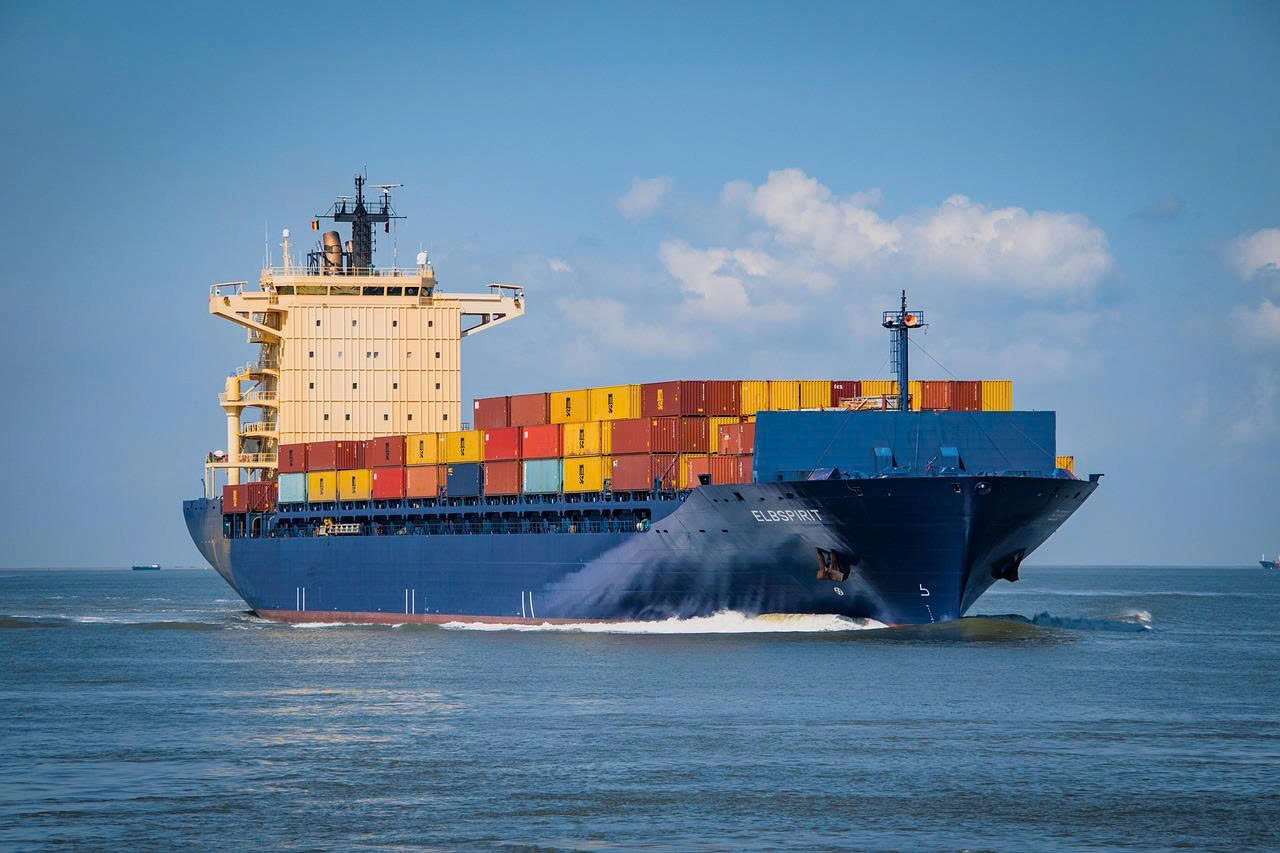
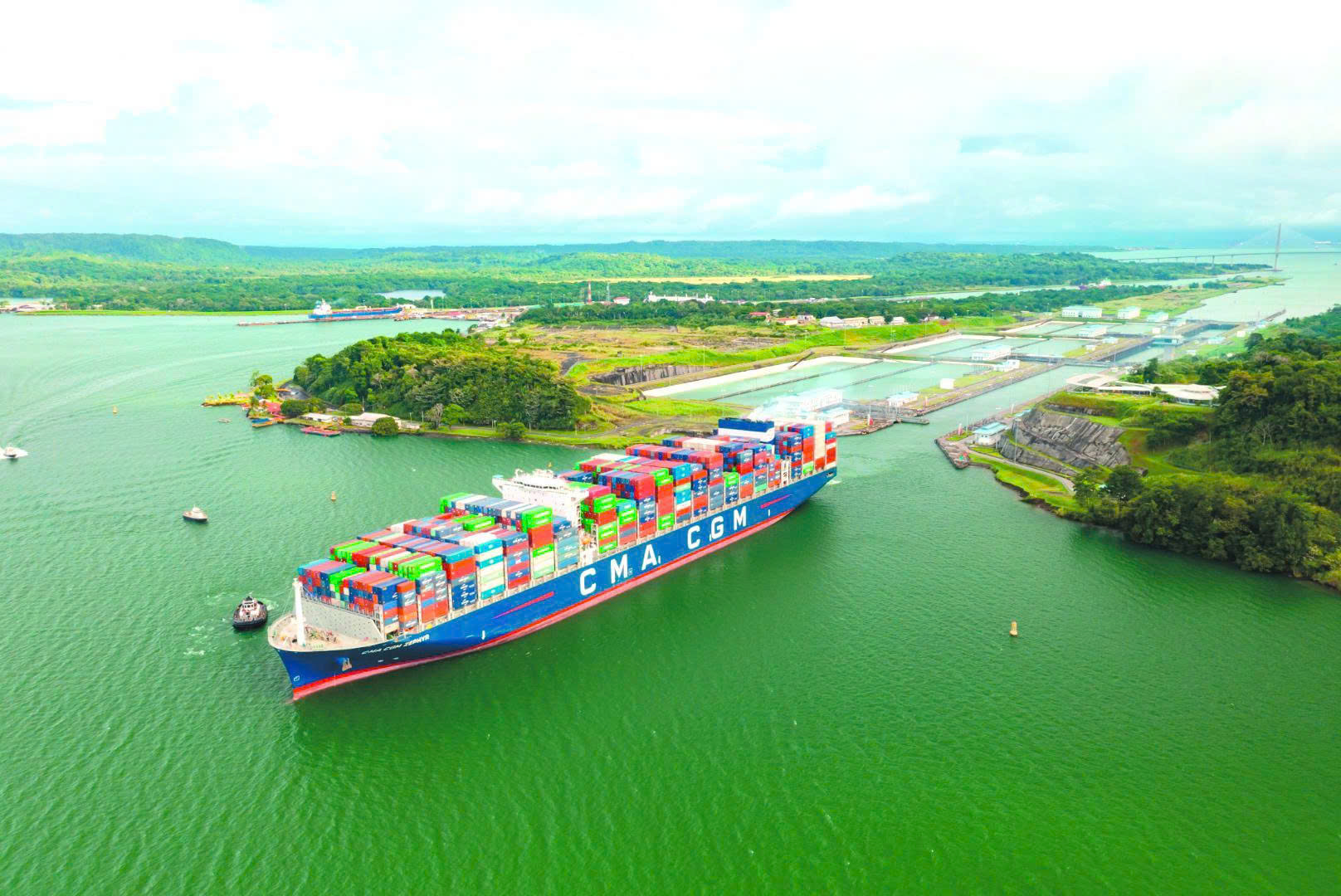
The Panama Canal will further reduce the maximum allowable draft for Neopanamax vessels from late August 2026 as water levels in Gatun Lake continue to decline.
The Panama Canal will further reduce the maximum allowable draft for Neopanamax vessels from late August 2026 as water levels in Gatun Lake continue to decline.
In modern logistics, delays are no longer viewed as mere inconveniences. They can result in significant financial losses, including reduced revenue, dissatisfied customers, increased warehousing costs, disrupted production schedules, and damaged business reputation
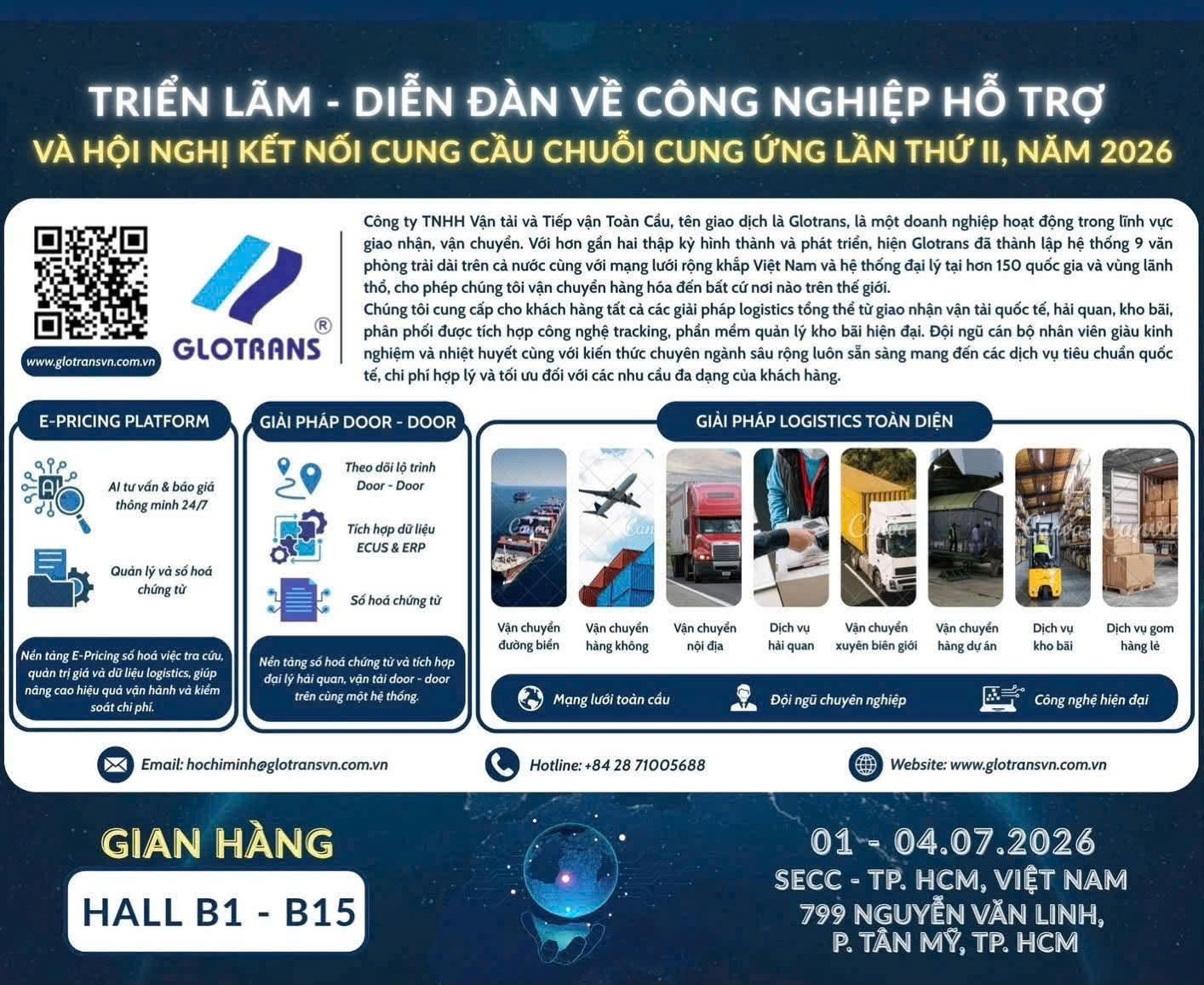
From July 1–4, 2026, Glotrans is participating in MTA Vietnam 2026, one of Vietnam's leading international exhibitions for precision engineering, manufacturing, and supporting industries, held at the Saigon Exhibition and Convention Center (SECC), Ho Chi Minh City.
As sustainability continues to gain importance across global business operations, Green Procurement is becoming a key consideration in sourcing strategies and supply chain management
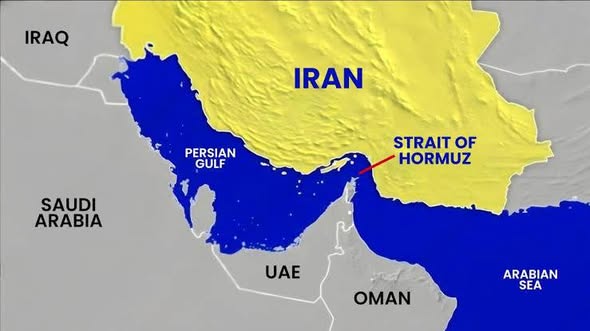
Recent developments in the Middle East continue to have a significant impact on the global logistics industry. The ongoing closure of the Strait of Hormuz, combined with prolonged regional instability, is driving up transportation costs, affecting carrier operations, and placing additional strain on international supply chains.
For many years, logistics was viewed primarily as a back-end support function. Today, amid increasing global trade volatility, logistics has become a strategic factor directly influencing business growth, risk management capability, and long-term competitiveness.
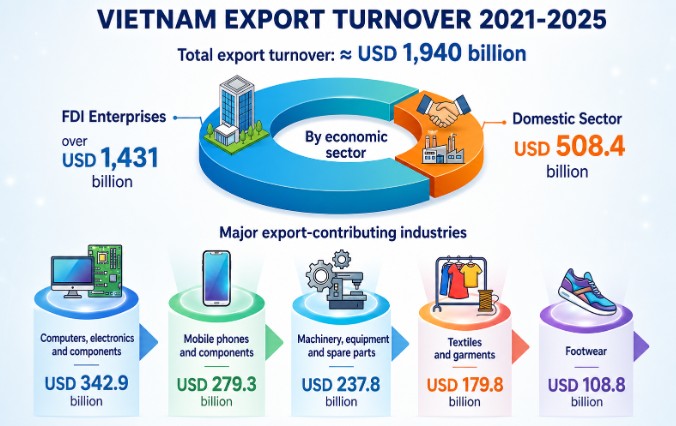
Amid ongoing global supply chain restructuring, Vietnam is emerging as a key manufacturing and sourcing hub in Asia. The “China+1” strategy and the need for risk diversification are driving multinational corporations to expand their presence in Vietnam.
Entering April 2026, escalating tensions in the Strait of Hormuz have triggered a systemic disruption across global logistics networks. However, for Vietnamese import-export enterprises, the immediate risk is no longer confined to the Middle East. The critical pressure point has shifted to Asia’s transshipment hubs-most notably Singapore-where congestion is now constraining regional cargo flows at scale.
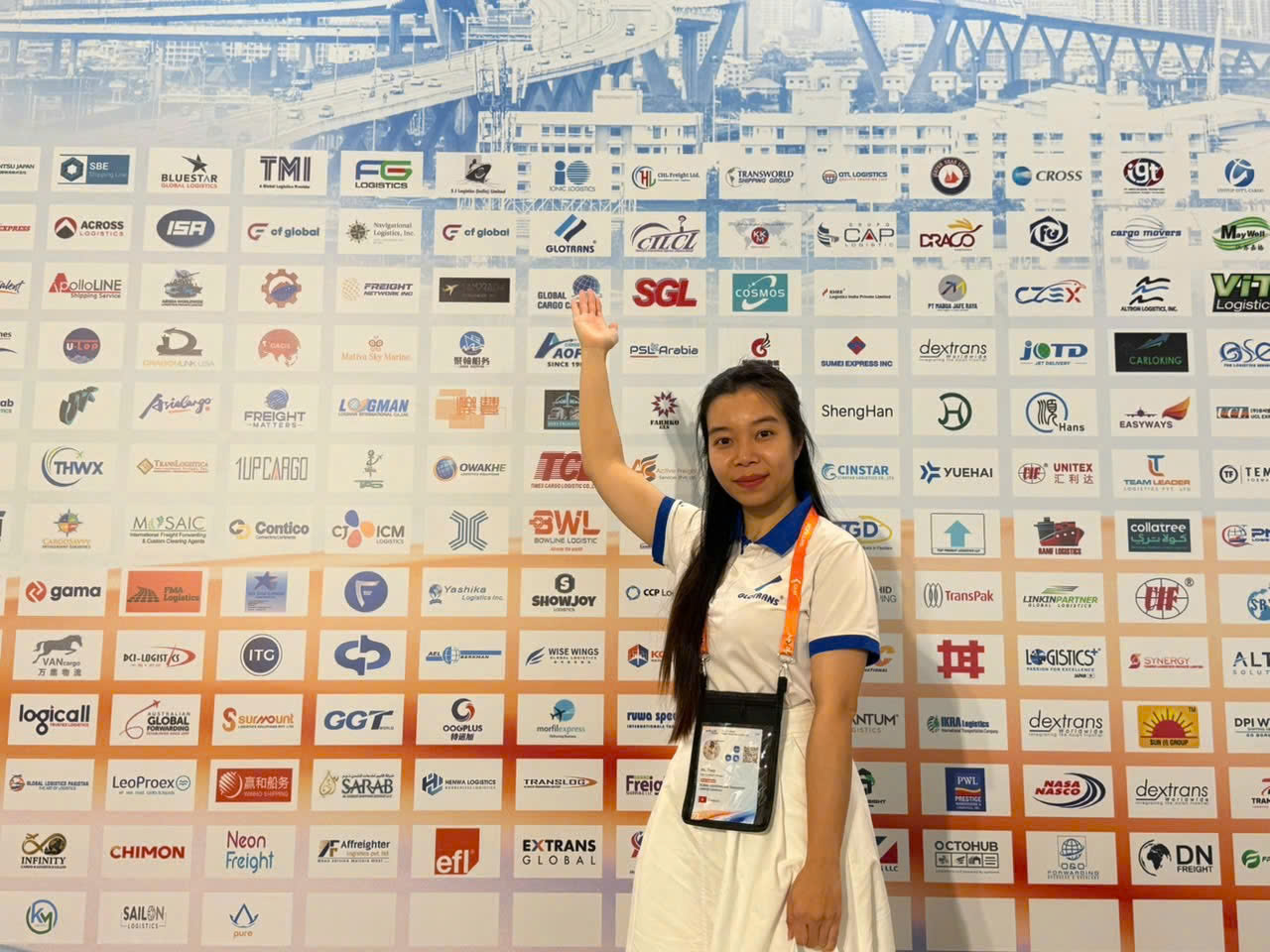
The 21st JCtrans Global Freight Forwarders Conference 2026 took place from April 1st to April 4th, 2026 at the Queen Sirikit National Convention Center (QSNCC) in Bangkok, Thailand, attracting more than 4,500 logistics companies, freight forwarders