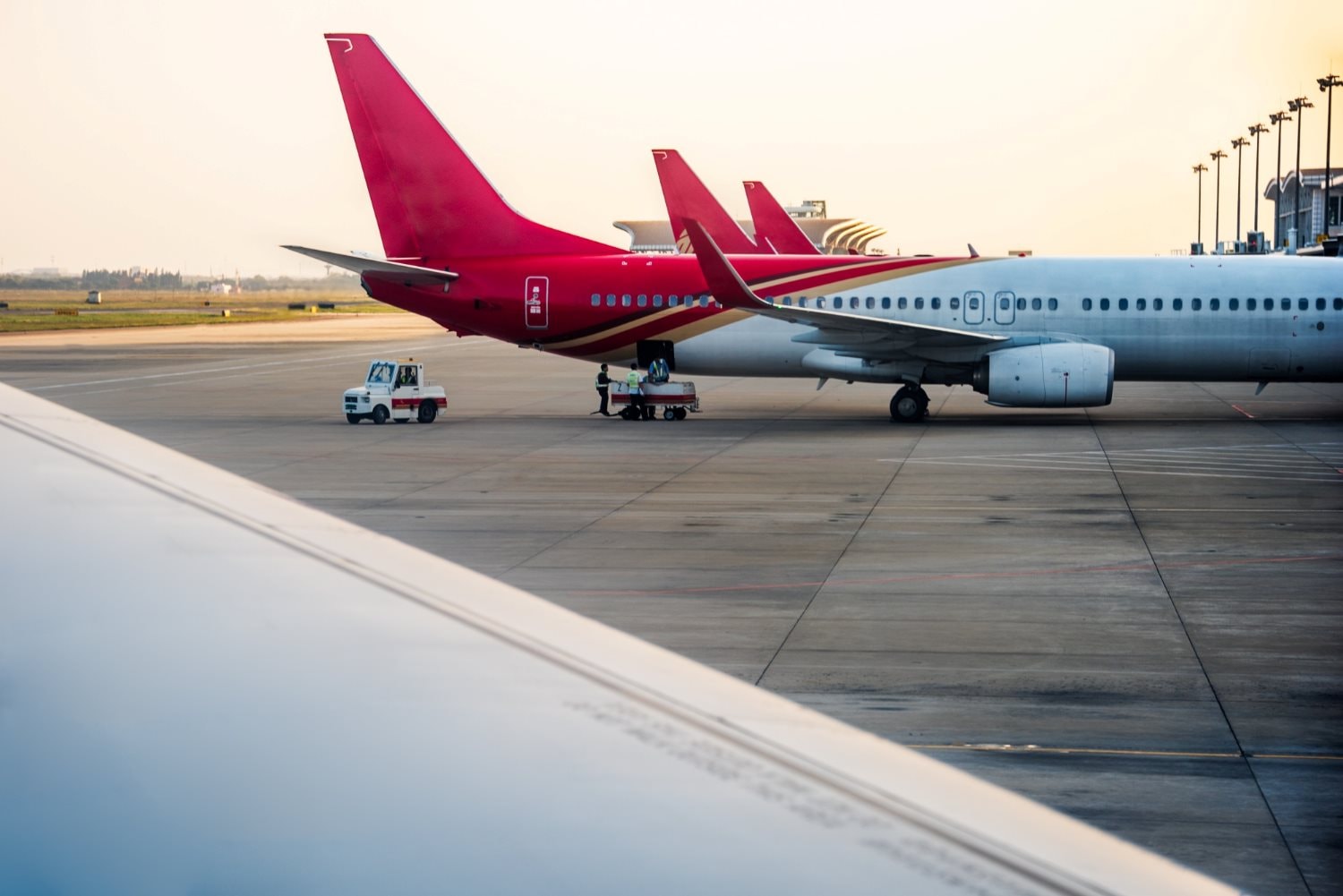
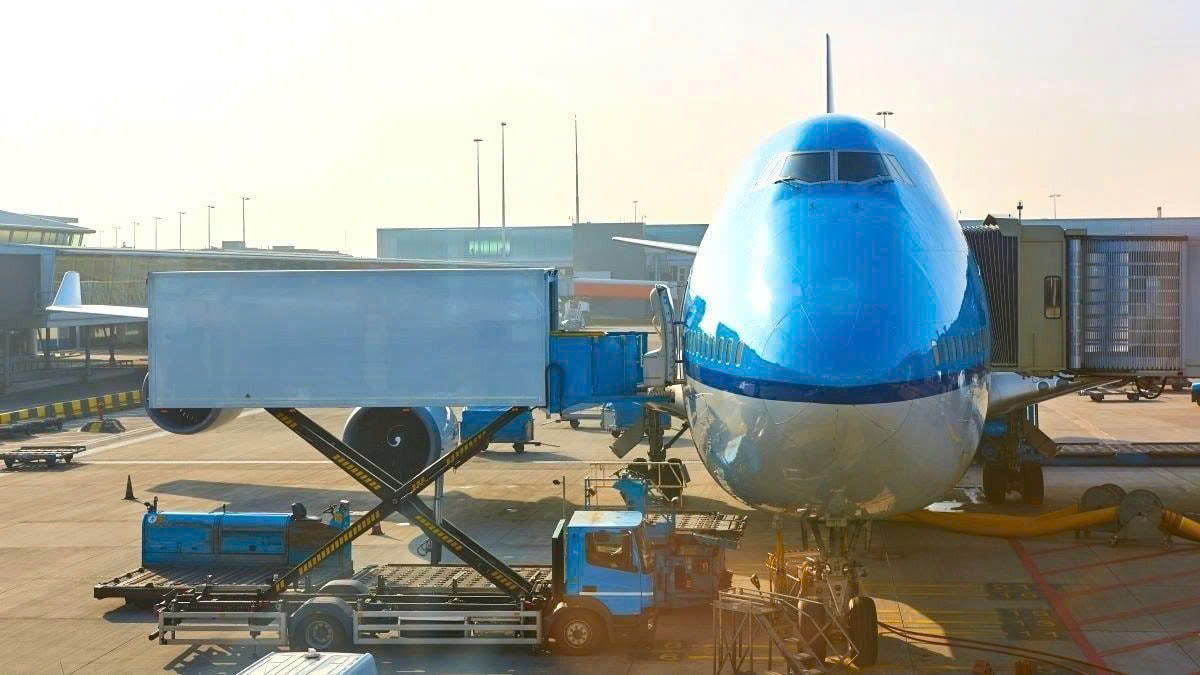
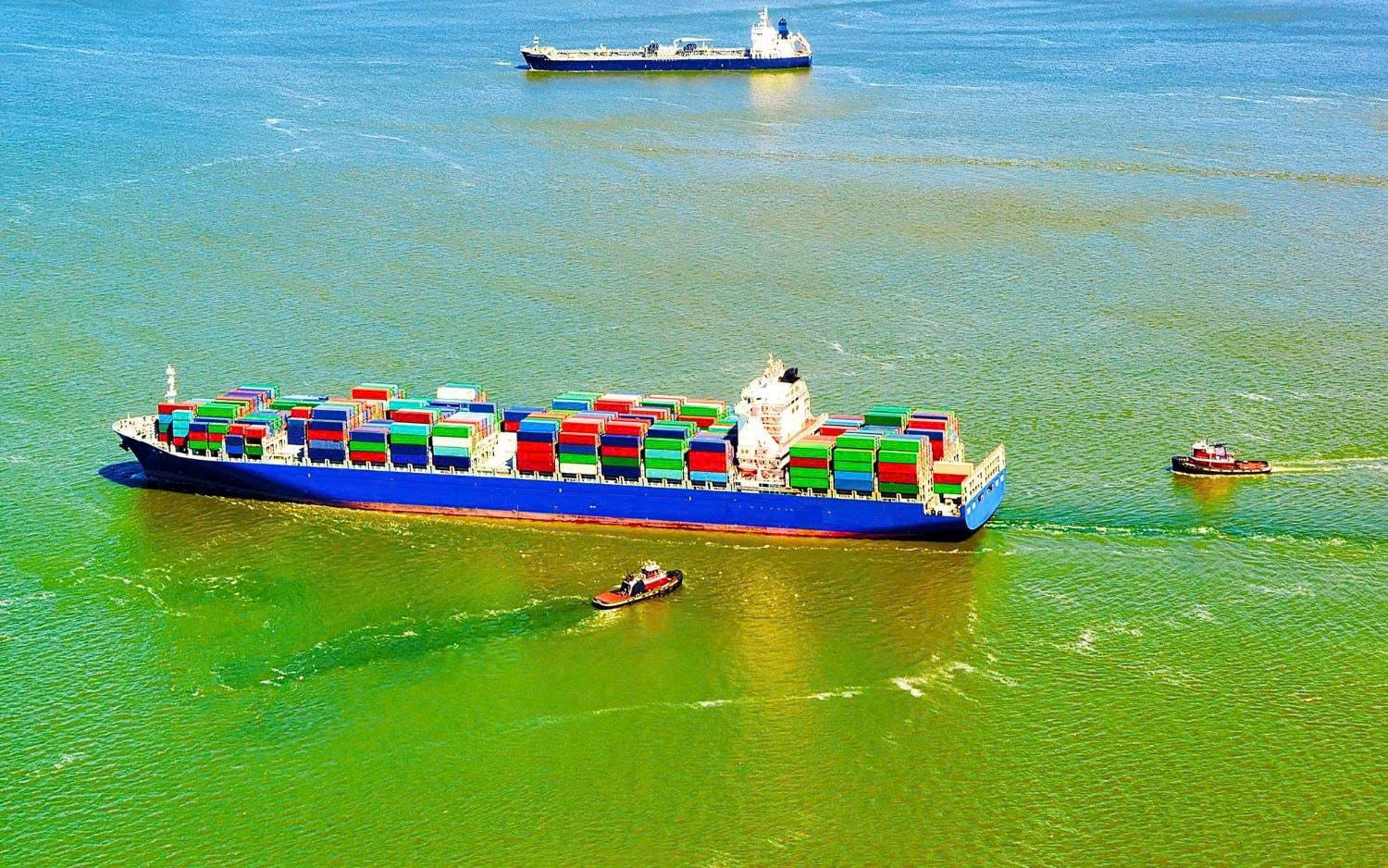
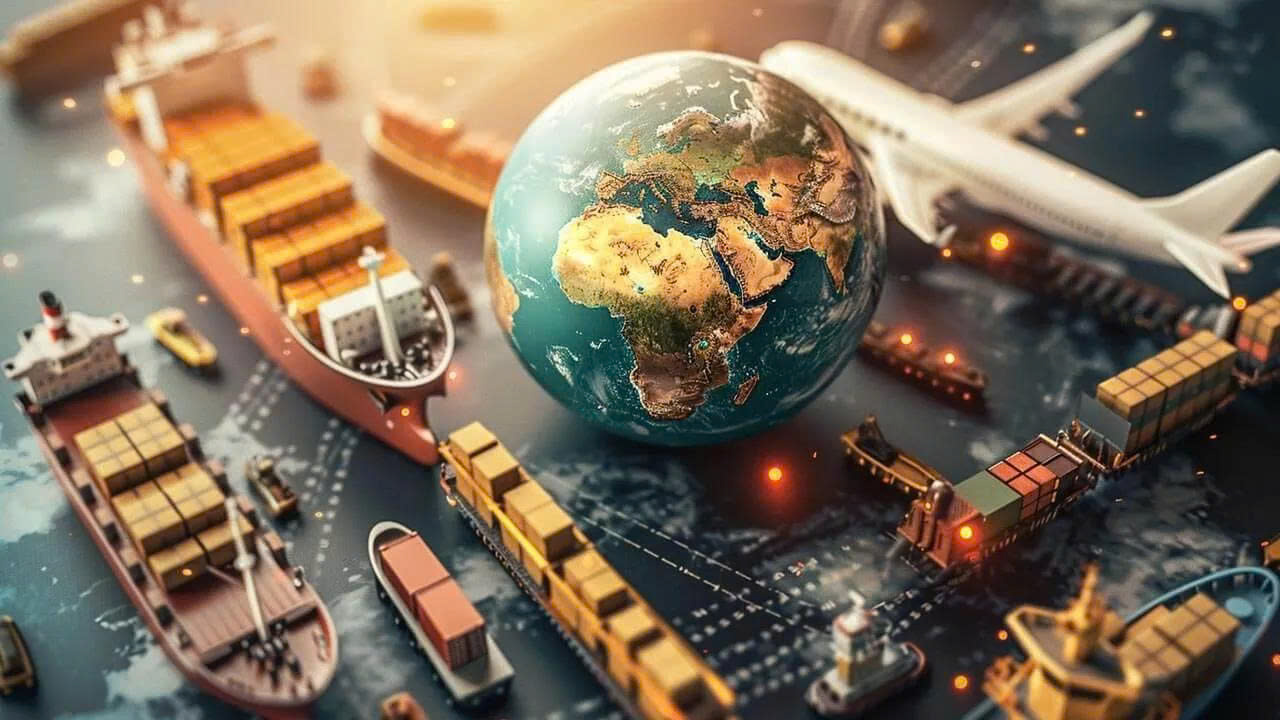
ASEAN BECOMES THE NEW MULTIMODAL AIR HUB
The “China +1” strategy, once seen as a temporary plan to diversify production outside of China, has now evolved into a long-term restructuring of global supply chains. Increasingly
Vietnamese food and spice producers are making steady progress in international markets by focusing on “real quality.” By combining authentic local flavors with strict international certifications, they are strengthening their competitiveness and building trust among global buyers.
According to recent data from U.S. Customs and Border Protection (CBP), as of April 5, 2024, the United States has collected more than USD 500 million from newly imposed retaliatory tariffs—bringing the total revenue since 2018 to over USD 21 billion.
In recent years, Vietnam has continuously strengthened its international partnerships and fostered long-term, sustainable relationships with countries around the world, aiming to boost economic growth through trade and global goods exchange.
As the United States officially imposes countervailing duties of up to 46% on certain export products from Vietnam, the Vietnamese logistics sector is facing significant challenges—including rising operational costs, longer shipping times, and the risk of supply chain disruptions.
It is evident that digitalization has become the defining trend of the modern era. Across all industries and sectors, businesses are shifting from traditional development strategies to automation and digital transformation, aiming to optimize operational efficiency and productivity.
Europe remains one of the most important and promising export markets for Vietnamese enterprises, especially following the implementation of the EU–Vietnam Free Trade Agreement (EVFTA). With a population of over 740 million and a total GDP of approximately USD 18 trillion, the region has a strong and diverse demand for imports ranging from agricultural products and processed foods to industrial goods, electronics, and textiles.
The Trump administration is planning to import eggs from Turkey and South Korea while negotiating with other countries in an effort to lower record-high prices for American consumers, officials have confirmed.
On February 13, President of USA's Donald Trump signed a new executive order on tariffs, marking a decisive step in reshaping U.S. trade policy. This order aims to increase import tariffs on trade partners with significant trade surpluses with the U.S., including Vietnam.