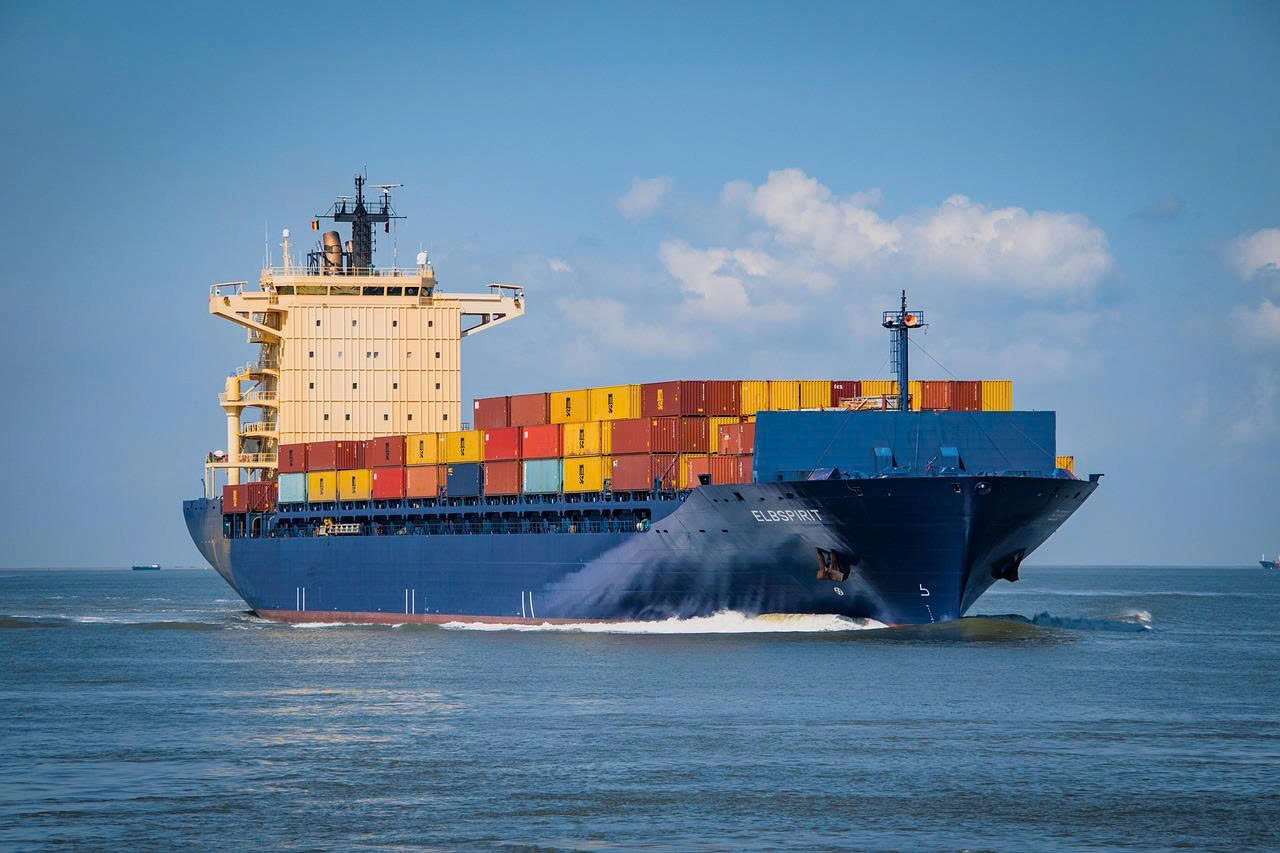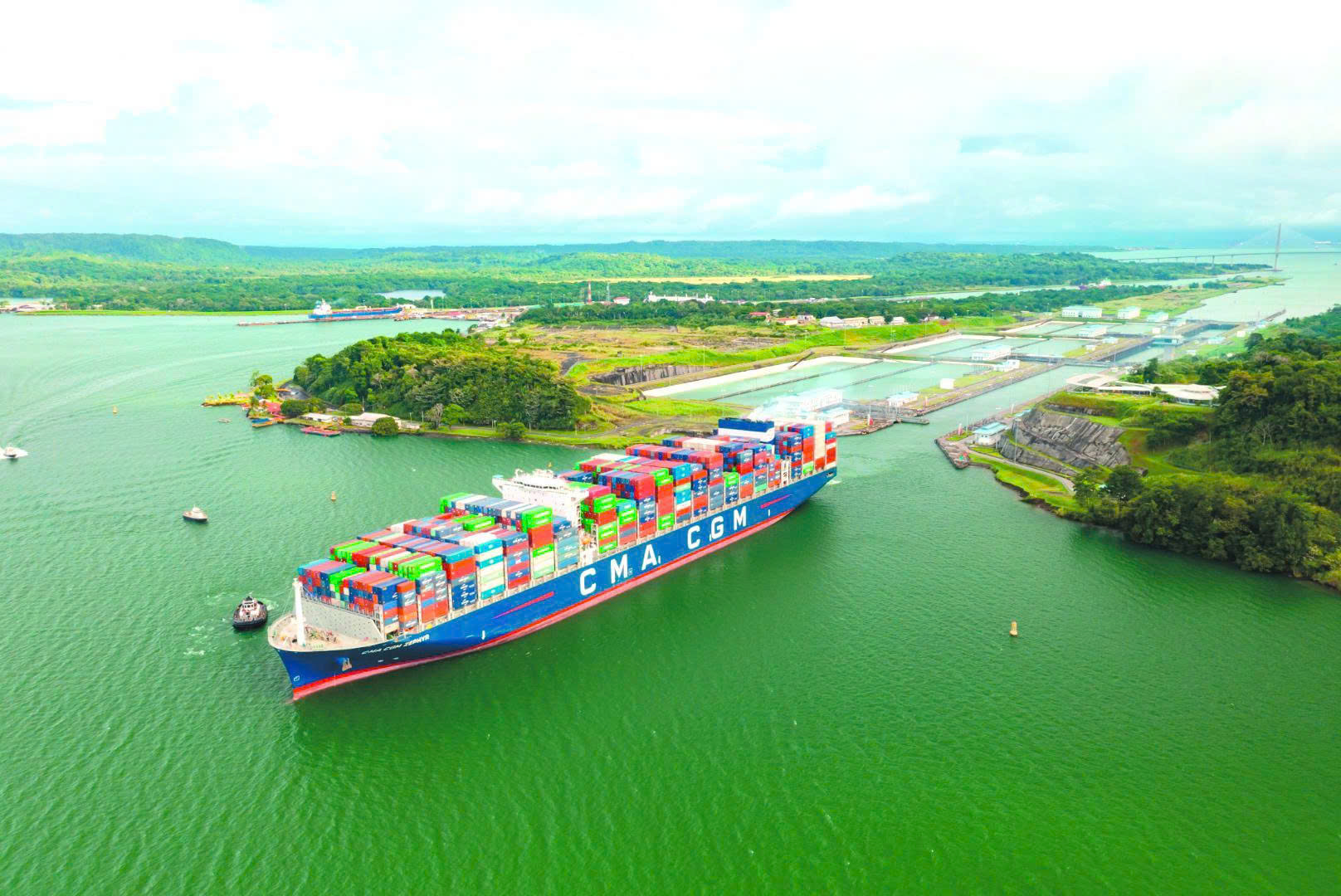
PANAMA CANAL TO FURTHER REDUCE DRAFT LIMIT FOR NEOPANAMAX VESSELS
The Panama Canal will further reduce the maximum allowable draft for Neopanamax vessels from late August 2026 as water levels in Gatun Lake continue to decline.
The “China +1” strategy, once seen as a temporary plan to diversify production outside of China, has now evolved into a long-term restructuring of global supply chains. Increasingly, manufacturers are expanding into ASEAN countries such as Vietnam, Thailand, Malaysia, and Indonesia, turning the region into a rising center for global logistics. With production bases spreading across multiple countries, Southeast Asia is no longer just an alternative to China but is becoming an essential hub in its own right. This transformation is changing the way cargo flows through Asia, with ASEAN now positioned as a key player in multimodal connectivity, linking factories to global markets via air, sea, and land corridors.
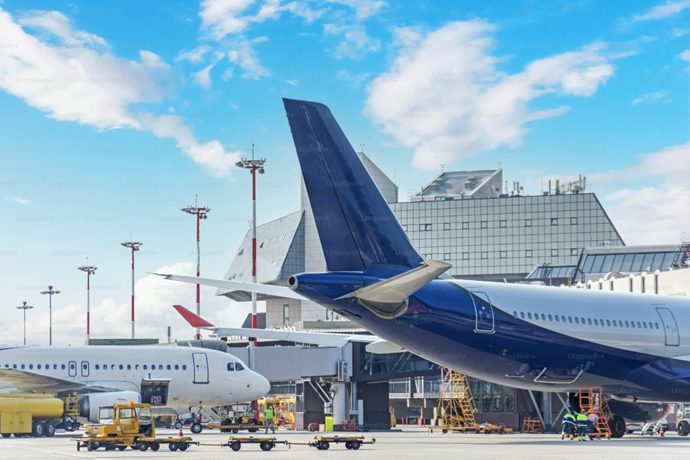
A major driver of this change is the surge in intra-Asia demand and the opening of new gateways connecting ASEAN to Europe and the Middle East. Airlines and logistics providers are boosting capacity within Asia, as trade patterns shift away from heavily China–US focused routes. Hybrid models such as sea-air and road-air solutions are increasingly popular, offering shorter lead times at lower costs compared to full air transport. These combinations are particularly valuable for high-value and time-sensitive goods like electronics, textiles, and pharmaceuticals, as they provide a balance between speed and affordability while ensuring flexibility when ocean shipping faces delays.
However, opportunities come with challenges. Businesses across ASEAN are learning to adapt to a new logistics mindset that prioritizes flexibility over fixed routing. Exporters are advised to design supply chains with multiple gateway options, reducing the risks of congestion and overdependence on a single route. Digitalization has also become critical, with electronic air waybills and integrated freight platforms enabling greater efficiency, visibility, and reduced ground handling times. In this context, logistics planning must balance stability and agility: securing a core volume of cargo under long-term contracts for rate predictability, while keeping a portion available for spot or flexible routing to respond to sudden market shifts.
Looking ahead, ASEAN’s rise as a multimodal air hub is set to continue, but the region still faces structural hurdles. Customs procedures remain fragmented across different countries, infrastructure quality is uneven, and trade policies are shifting in response to global economic pressures. To sustain momentum, greater harmonization, investment in airport capacity, cold chain logistics, and digital integration will be required. Despite these challenges, the trajectory is clear: ASEAN is no longer on the periphery of global supply chains but is establishing itself as a core hub, offering exporters and logistics providers new opportunities to optimize routes and strengthen resilience in an unpredictable trade environment.
Source: collect
The Panama Canal will further reduce the maximum allowable draft for Neopanamax vessels from late August 2026 as water levels in Gatun Lake continue to decline.
In modern logistics, delays are no longer viewed as mere inconveniences. They can result in significant financial losses, including reduced revenue, dissatisfied customers, increased warehousing costs, disrupted production schedules, and damaged business reputation
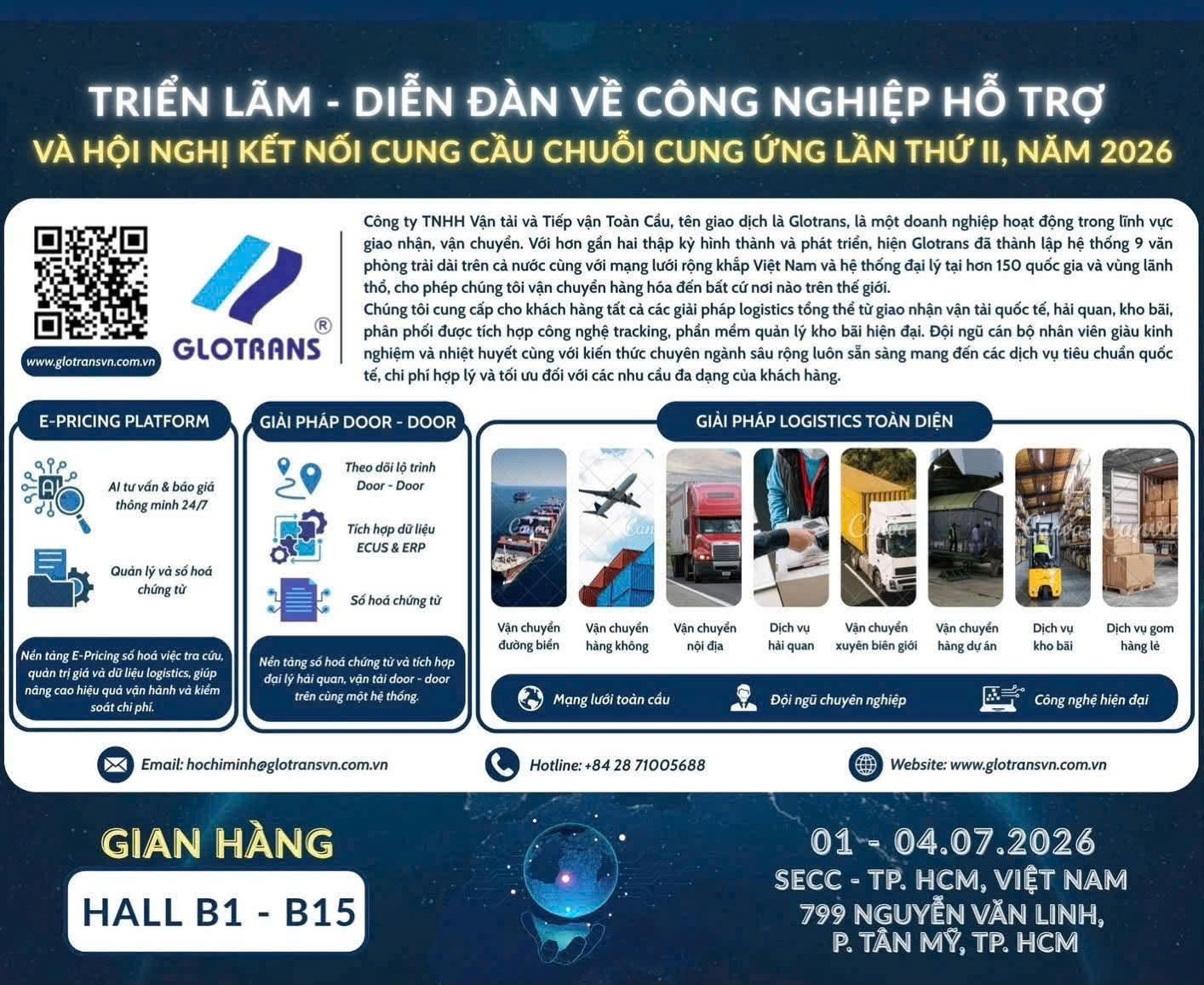
From July 1–4, 2026, Glotrans is participating in MTA Vietnam 2026, one of Vietnam's leading international exhibitions for precision engineering, manufacturing, and supporting industries, held at the Saigon Exhibition and Convention Center (SECC), Ho Chi Minh City.
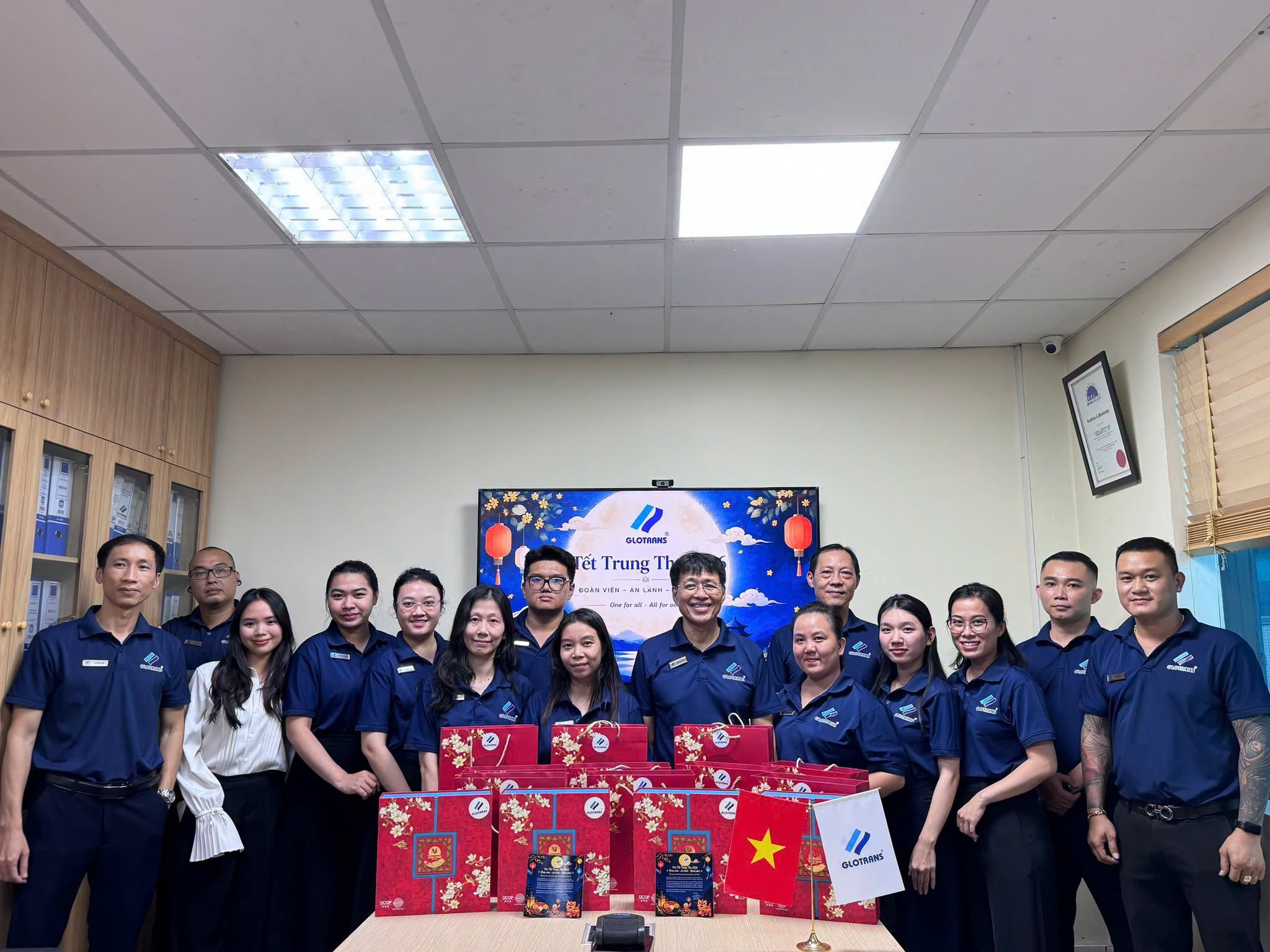
The Mid-Autumn Festival is not only a time for family reunions, but also a special occasion to share love, send warm wishes, and enjoy meaningful moments with our beloved colleagues.
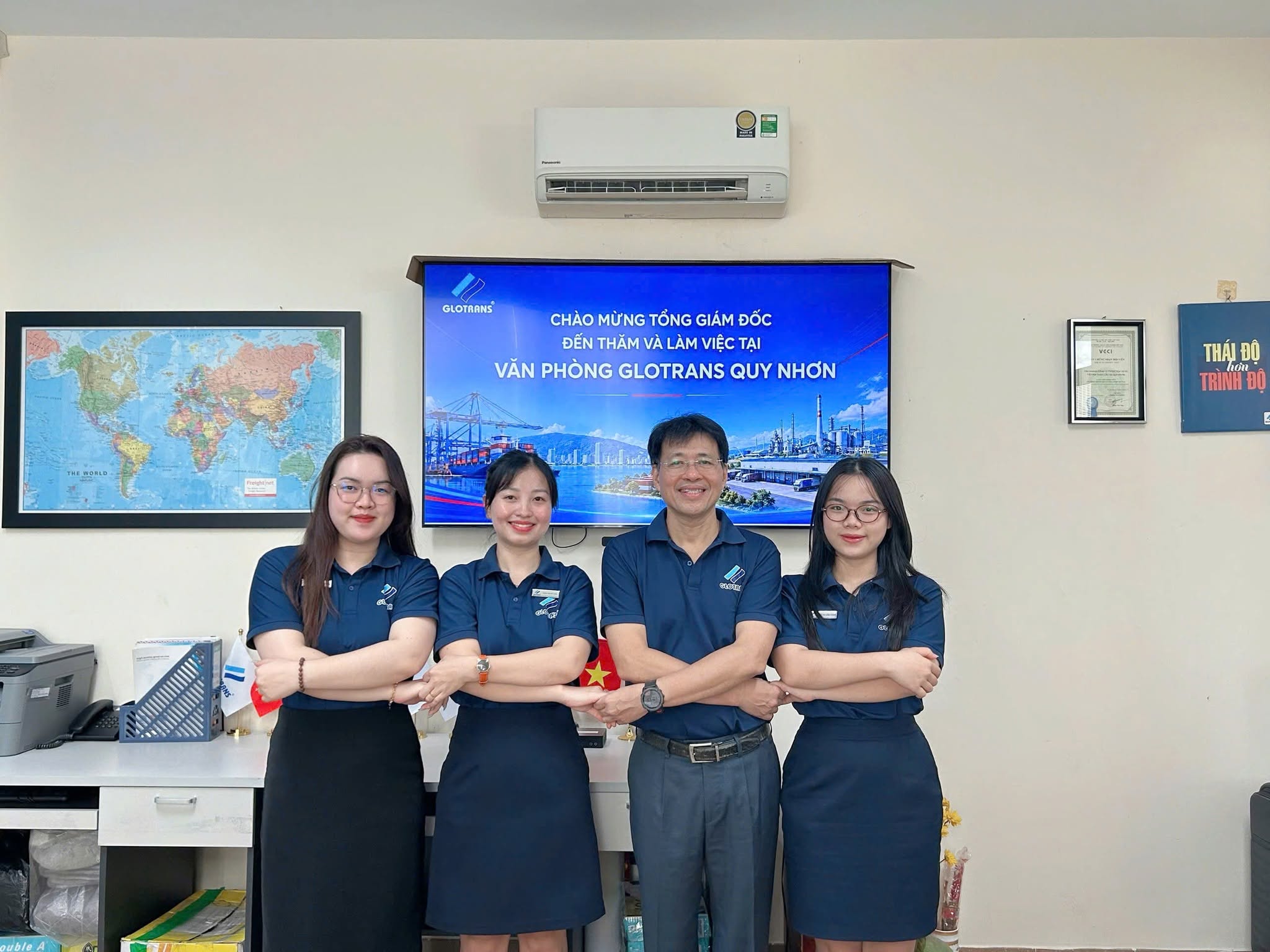
Over the past few days, GLOTRANS’s General Director has been traveling between offices, from Da Nang to Quy Nhon, to personally attend meetings reviewing the business performance of the first six months of the year, assess each office’s operations, and work with the teams to set goals for the next stage.
GLOTRANS would like to inform our Valued Customers and Partners of our holiday schedule for Vietnam’s National Day (2 September 2026) as follows:
The shipment of food additives was transported in container No. FCIU3301688 (20’), under B/L MPRSMUM1806, on the voyage from Nhavasheva Port (India) to Dinh Vu Port (Hai Phong, Vietnam) on 29/04/2017.
Company T (Plaintiff – the Insured) entered into an insurance contract with Company B (Defendant – the Insurer). After the insured event occurred, the Insurer alleged that the Insured had violated its obligation to prevent and mitigate losses. The Arbitral Tribunal acknowledged that such an obligation exists but concluded that the Insured did not breach it.
Under the insurance contract, the premium was to be paid in three installments, and in all three, the insured party was late in payment. When a dispute arose, the insurer (Defendant) argued that the insurance contract had terminated before the insured event occurred due to the late premium payment and therefore refused to make an insurance payout. However, the Arbitral Tribunal held a contrary view.