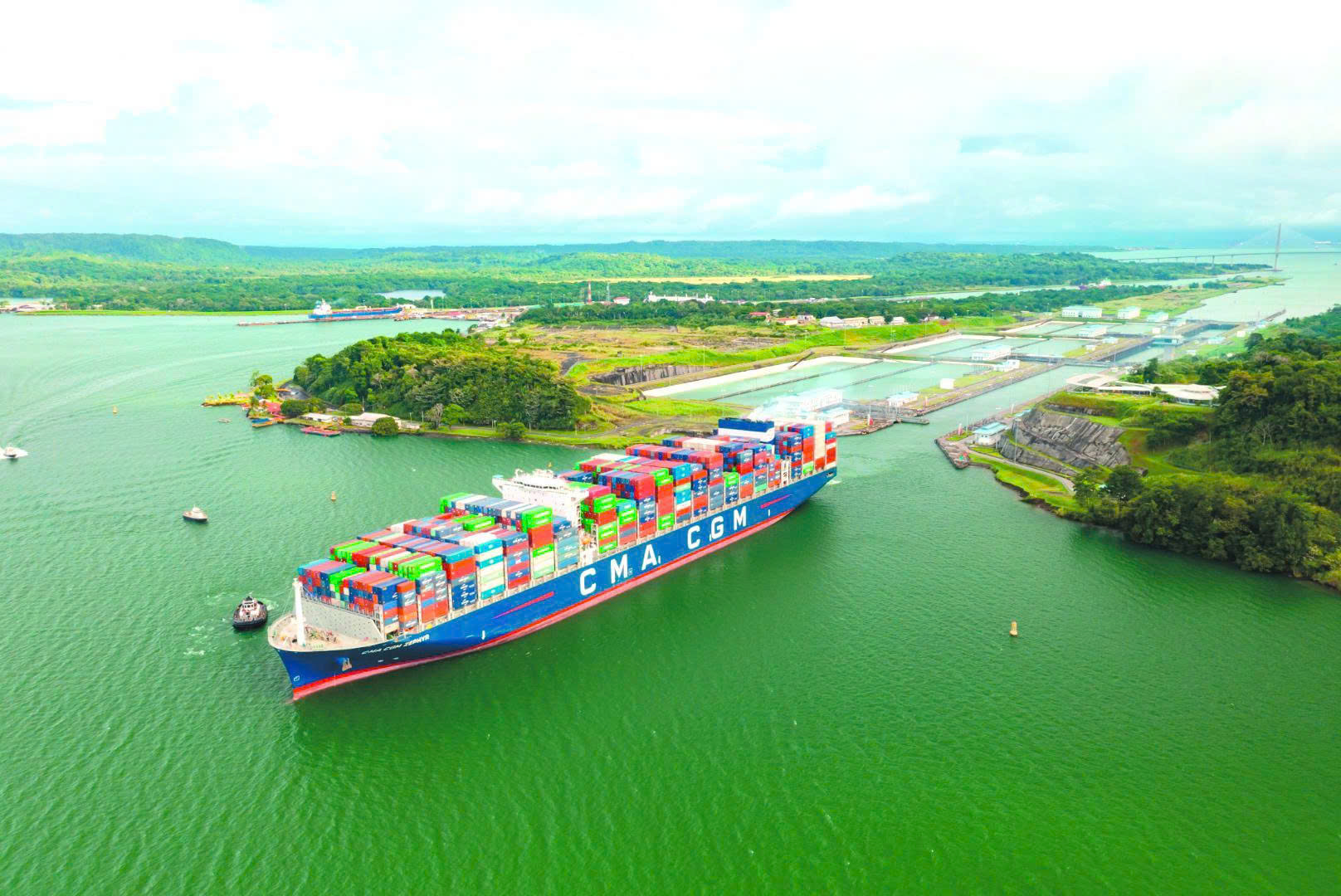
PANAMA CANAL TO FURTHER REDUCE DRAFT LIMIT FOR NEOPANAMAX VESSELS
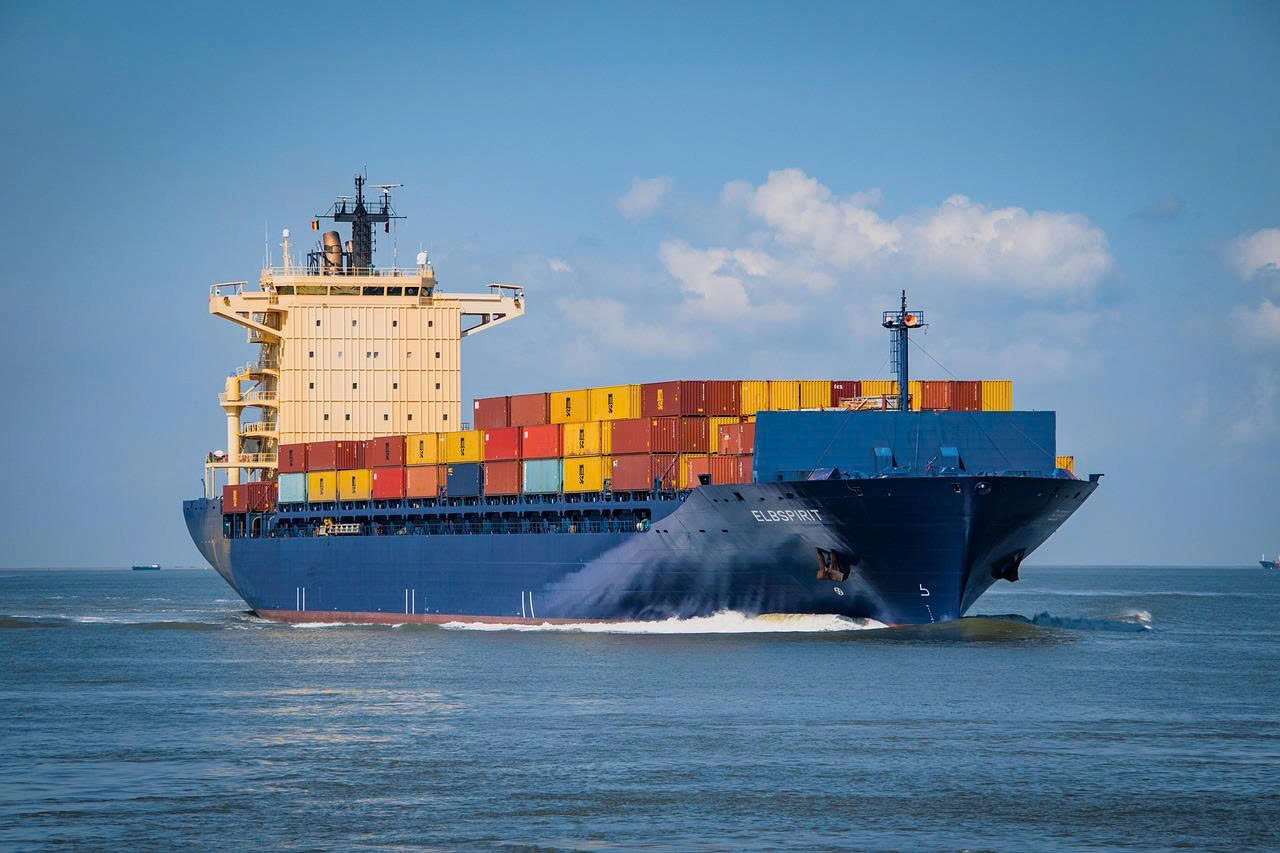
The Panama Canal will further reduce the maximum allowable draft for Neopanamax vessels from late August 2026 as water levels in Gatun Lake continue to decline.
After a challenging period characterized by global market volatility, Vietnam’s paper industry is entering a new recovery cycle with optimistic signals. Beyond merely restoring production volumes, the industry is undergoing a profound structural overhaul, where sustainable packaging and the circular economy are emerging as the decisive factors for future competitiveness.
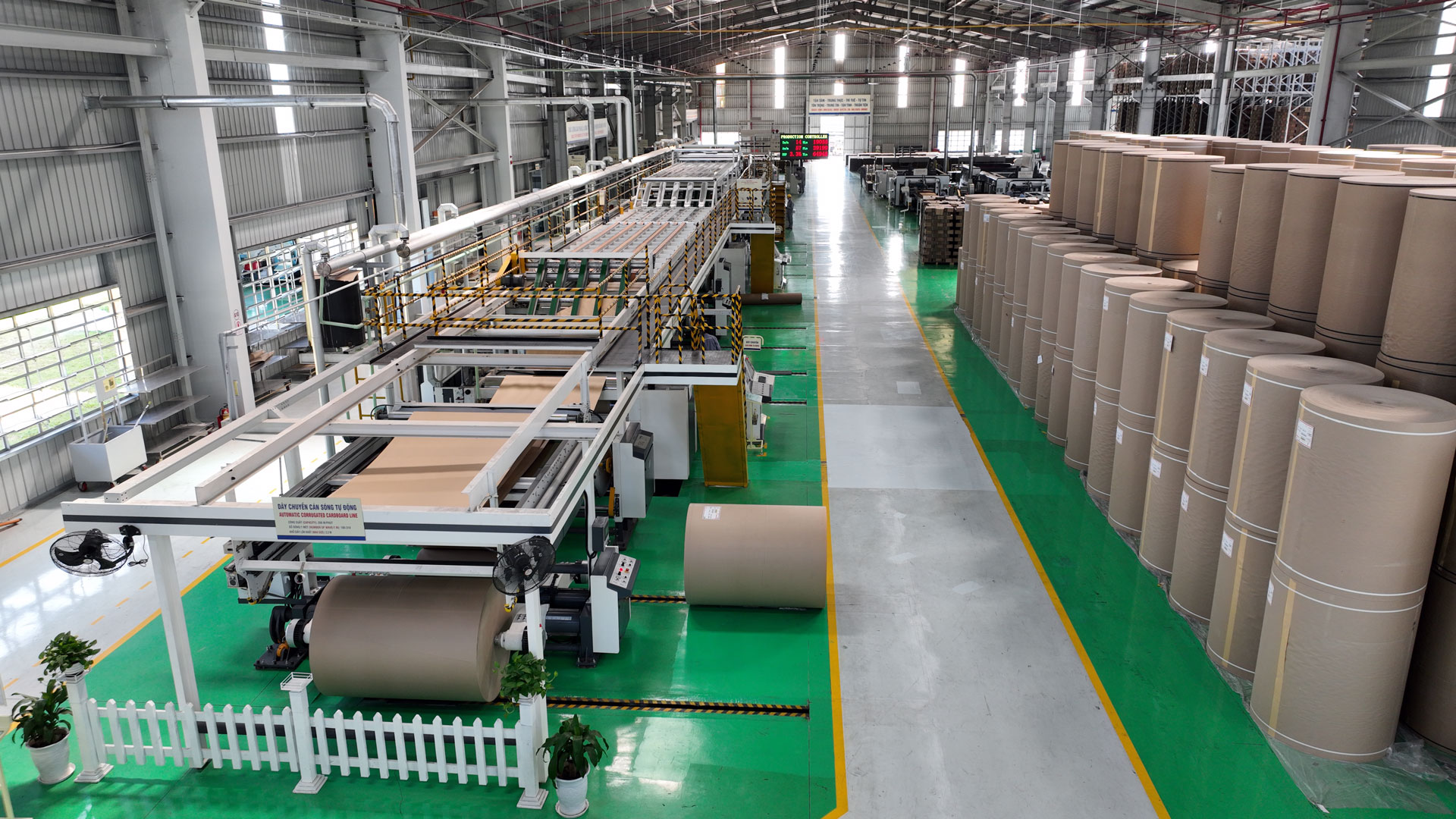
Packaging – The Primary Growth Engine According to the Vietnam Pulp and Paper Association (VPPA), the packaging segment currently accounts for the largest share of the industry's total output, exceeding 80%. The recovery of key export sectors such as electronics, footwear, and textiles, alongside the rapid expansion of e-commerce, has provided significant momentum for this segment.
Notably, the global shift from plastic to eco-friendly paper packaging is gaining momentum. Major multinational brands operating in Vietnam increasingly prioritize suppliers capable of producing high-quality recycled packaging. This presents a golden opportunity for domestic enterprises to move up the value chain and integrate more deeply into global supply networks.
The Circular Economy: From Trend to Core Value The circular economy model is now considered the "golden key" for the sustainable development of the paper industry. Given the high recyclability inherent in paper products, optimizing Recovered Paper (RCP) sources allows businesses to reduce their reliance on expensive imported pulp and significantly lower production costs.
Implementing circular models is not only about resource conservation but also a strategic response to carbon emission challenges. Companies are actively investing in closed-loop wastewater treatment systems and low-carbon production technologies. These strategic moves are essential to meet stringent international standards, particularly new environmental regulations in major markets.
Challenges and Green Barriers Despite a clear outlook for recovery, Vietnam’s paper industry faces several hurdles. New regulations such as the EU’s Carbon Border Adjustment Mechanism (CBAM) and Vietnam’s Extended Producer Responsibility (EPR) are setting higher environmental benchmarks. Businesses that are slow to adopt green technologies risk being excluded from the global export market.
Furthermore, the volatility of raw material prices and logistics costs remains a persistent concern. To achieve a breakthrough, experts suggest that enterprises must focus on:
• Modernizing production lines to enhance energy efficiency.
• Establishing professional and efficient wastepaper collection systems.
• Enhancing product quality to meet international certifications (e.g., FSC).
The Vietnamese paper industry is at the threshold of a comprehensive transformation. With the resilience of the packaging segment and a firm commitment to the circular economy, the sector aims not just for recovery but for a long-term vision of becoming a green, sustainable industry. This evolution will play a vital role in supporting the Vietnamese government’s goal of achieving Net Zero by 2050.
Source: collect
The Panama Canal will further reduce the maximum allowable draft for Neopanamax vessels from late August 2026 as water levels in Gatun Lake continue to decline.
In modern logistics, delays are no longer viewed as mere inconveniences. They can result in significant financial losses, including reduced revenue, dissatisfied customers, increased warehousing costs, disrupted production schedules, and damaged business reputation
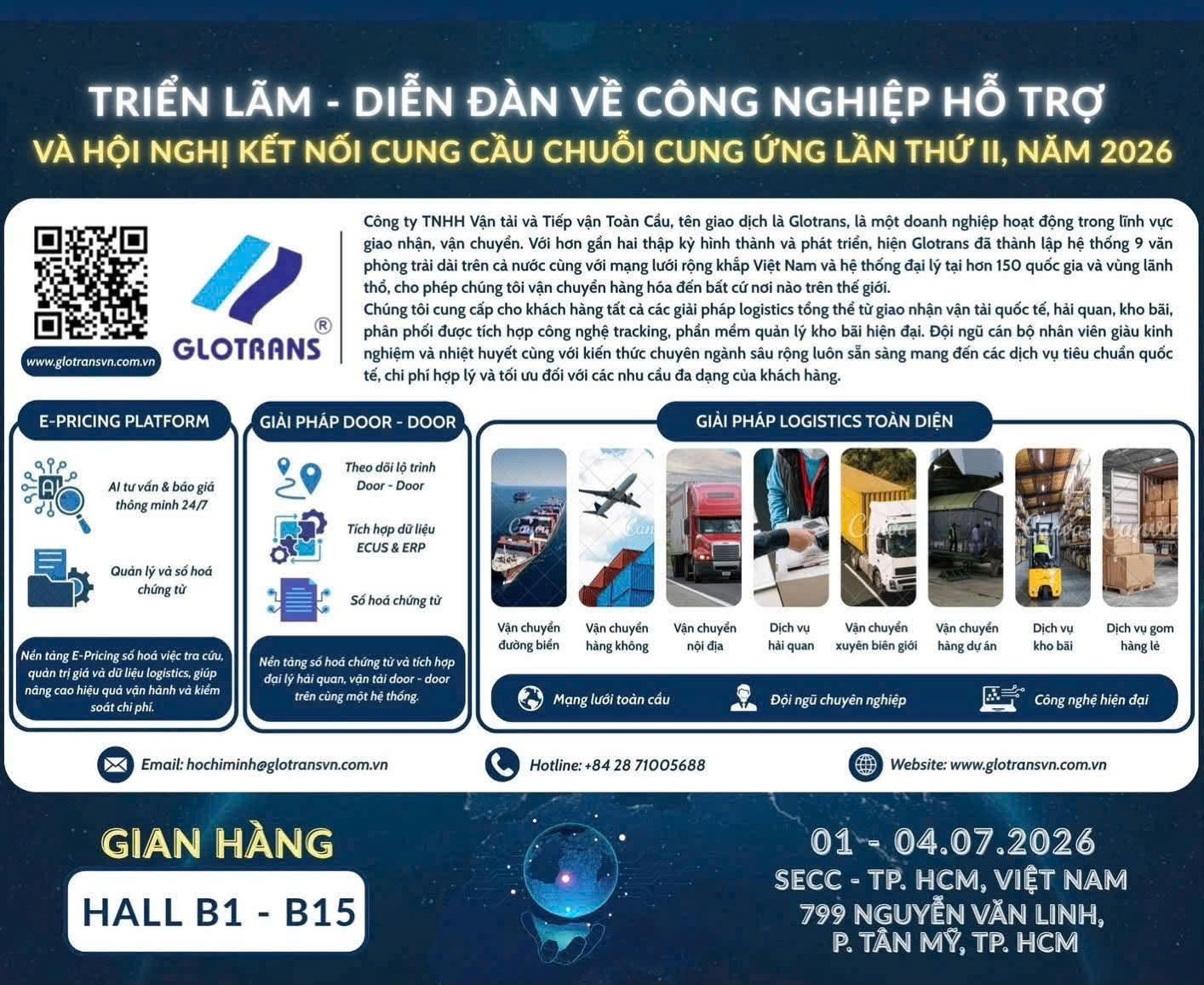
From July 1–4, 2026, Glotrans is participating in MTA Vietnam 2026, one of Vietnam's leading international exhibitions for precision engineering, manufacturing, and supporting industries, held at the Saigon Exhibition and Convention Center (SECC), Ho Chi Minh City.
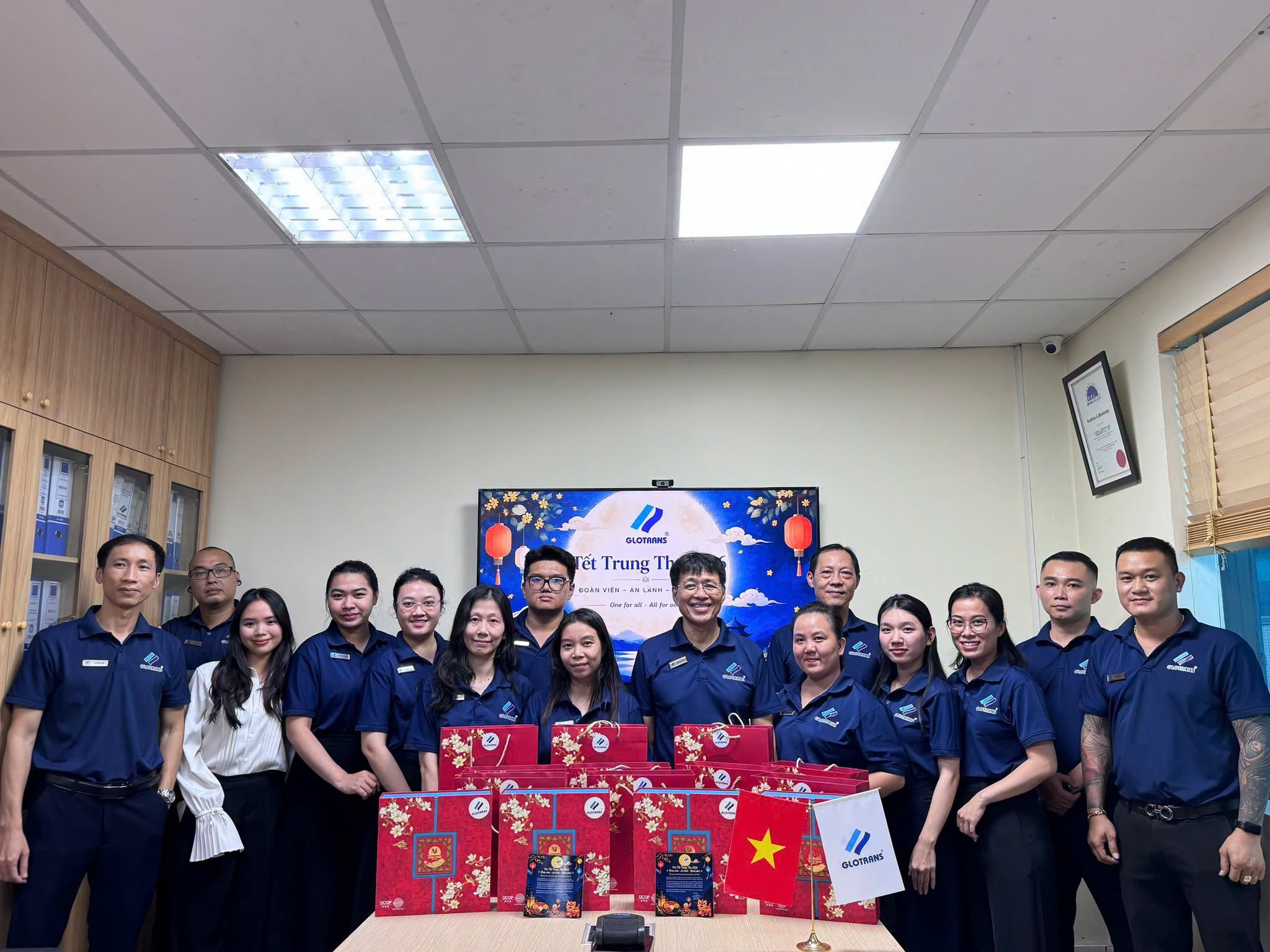
The Mid-Autumn Festival is not only a time for family reunions, but also a special occasion to share love, send warm wishes, and enjoy meaningful moments with our beloved colleagues.
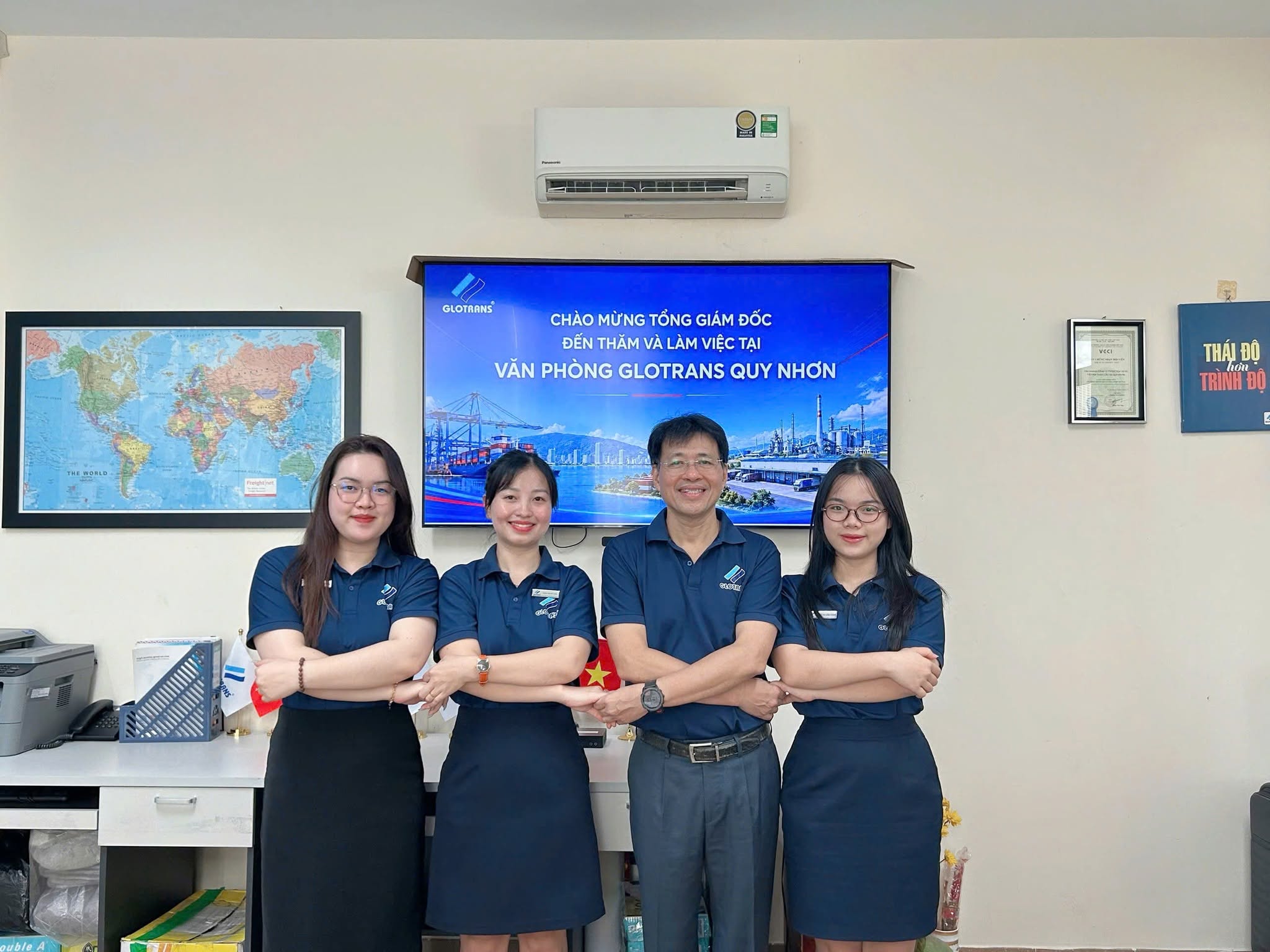
Over the past few days, GLOTRANS’s General Director has been traveling between offices, from Da Nang to Quy Nhon, to personally attend meetings reviewing the business performance of the first six months of the year, assess each office’s operations, and work with the teams to set goals for the next stage.
GLOTRANS would like to inform our Valued Customers and Partners of our holiday schedule for Vietnam’s National Day (2 September 2026) as follows:
The shipment of food additives was transported in container No. FCIU3301688 (20’), under B/L MPRSMUM1806, on the voyage from Nhavasheva Port (India) to Dinh Vu Port (Hai Phong, Vietnam) on 29/04/2017.
Company T (Plaintiff – the Insured) entered into an insurance contract with Company B (Defendant – the Insurer). After the insured event occurred, the Insurer alleged that the Insured had violated its obligation to prevent and mitigate losses. The Arbitral Tribunal acknowledged that such an obligation exists but concluded that the Insured did not breach it.
Under the insurance contract, the premium was to be paid in three installments, and in all three, the insured party was late in payment. When a dispute arose, the insurer (Defendant) argued that the insurance contract had terminated before the insured event occurred due to the late premium payment and therefore refused to make an insurance payout. However, the Arbitral Tribunal held a contrary view.