PANAMA CANAL TO FURTHER REDUCE DRAFT LIMIT FOR NEOPANAMAX VESSELS
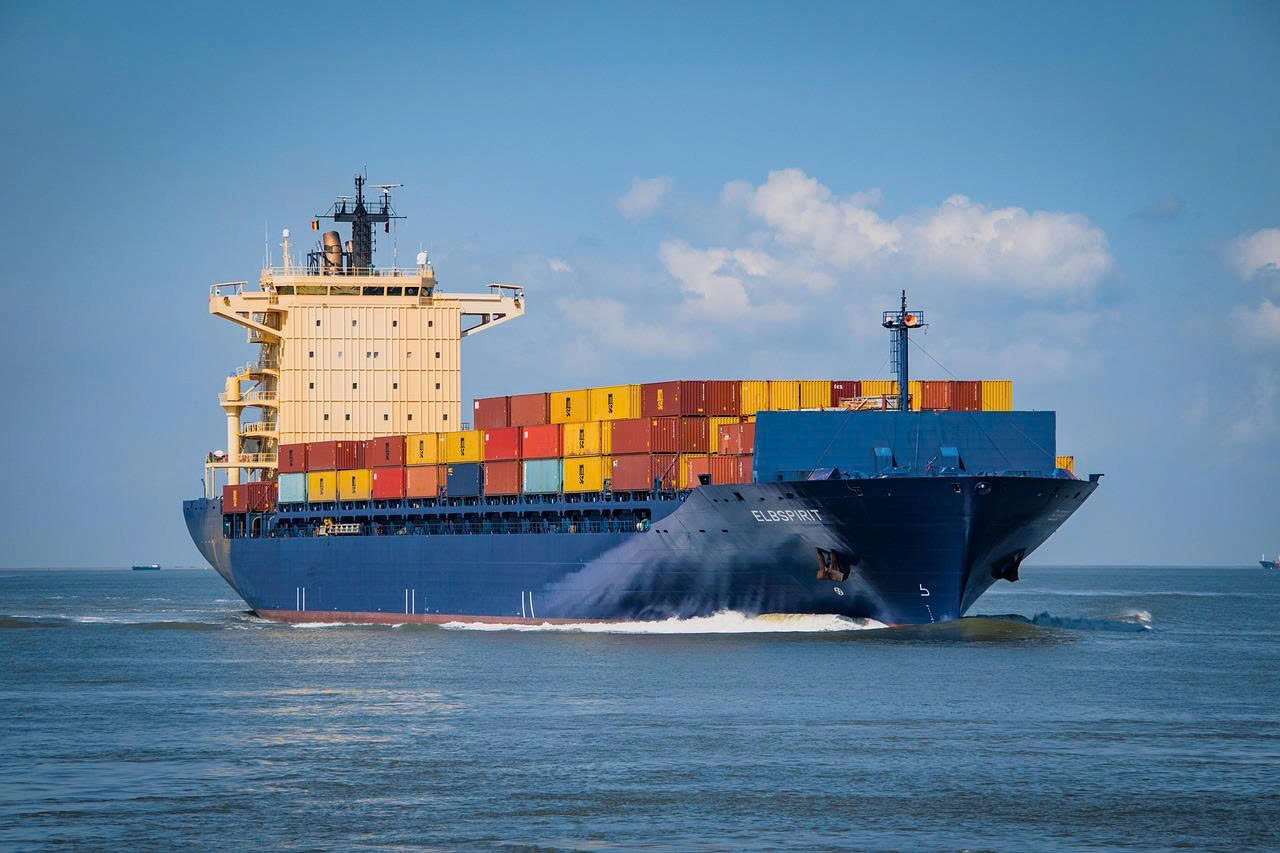
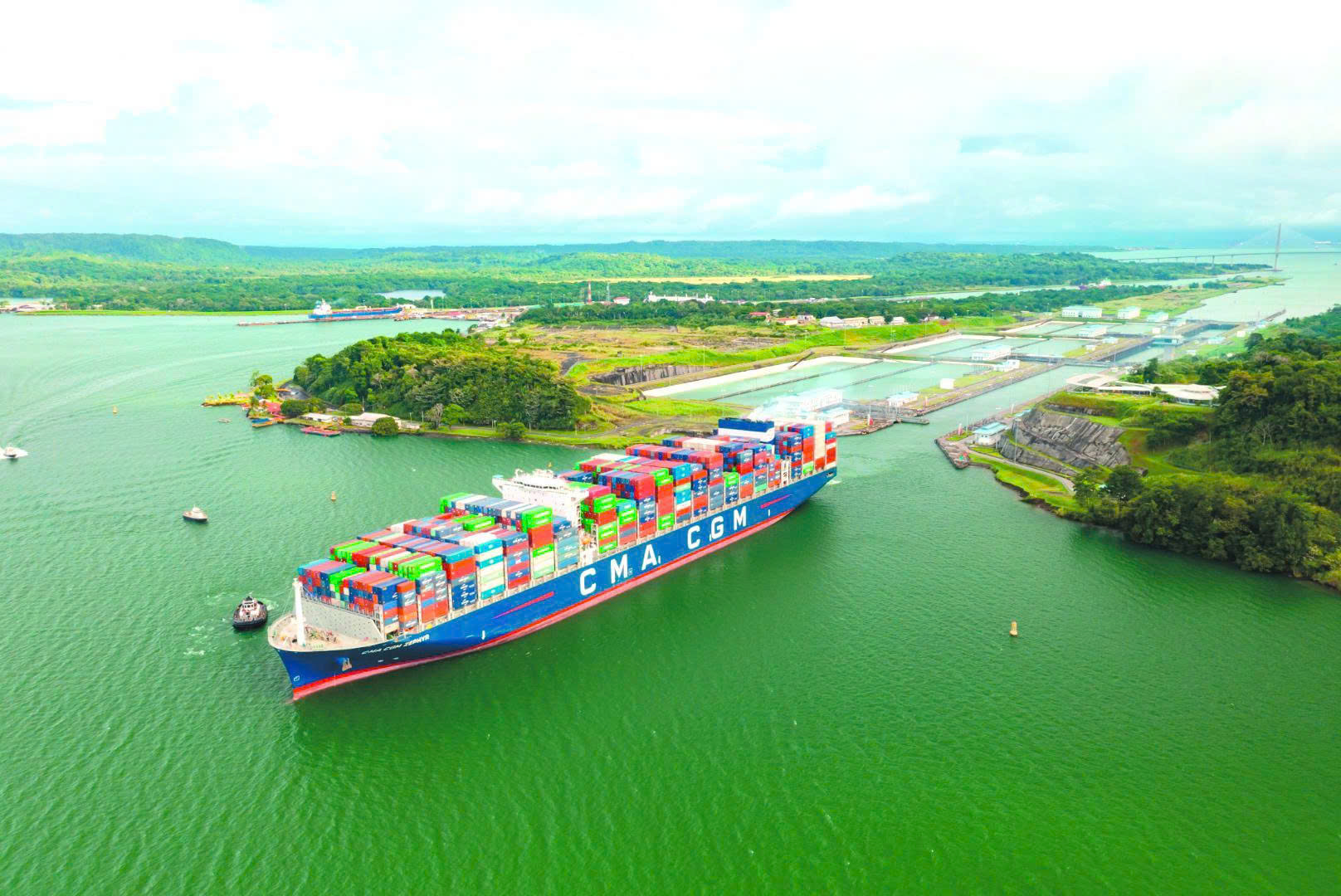
The Panama Canal will further reduce the maximum allowable draft for Neopanamax vessels from late August 2026 as water levels in Gatun Lake continue to decline.
According to recent data from U.S. Customs and Border Protection (CBP), as of April 5, 2024, the United States has collected more than USD 500 million from newly imposed retaliatory tariffs—bringing the total revenue since 2018 to over USD 21 billion.
These tariffs have primarily targeted imports from major trade partners such as China, the EU, India, and more recently, Vietnam. They are part of the U.S. government's broader trade defense strategy, aimed at countering what it deems "unfair subsidization" by foreign exporters and protecting domestic manufacturing industries.
While these measures are intended to safeguard U.S. industries, they have also raised concerns among domestic companies due to increased input costs—especially in sectors like clean energy, semiconductors, and high-tech manufacturing. Numerous American trade associations have voiced opposition, warning that such tariffs could hinder innovation and delay energy transition efforts.
In Vietnam, key export groups—such as solar panels, electronics, and steel—are already facing the ripple effects of these tariffs. Businesses across logistics, manufacturing, and export sectors are closely monitoring developments while seeking to diversify export markets, particularly in the Middle East, Africa, and India.
As geopolitical competition intensifies, global supply chains are undergoing profound realignment. The trend toward supply chain restructuring, FDI reorientation, and technological self-reliance is becoming more pronounced. Vietnamese enterprises must proactively develop long-term strategies to navigate tariff barriers and seize new opportunities created by global shifts—especially by enhancing value-added capabilities within the supply chain.
Source: collect
The Panama Canal will further reduce the maximum allowable draft for Neopanamax vessels from late August 2026 as water levels in Gatun Lake continue to decline.
In modern logistics, delays are no longer viewed as mere inconveniences. They can result in significant financial losses, including reduced revenue, dissatisfied customers, increased warehousing costs, disrupted production schedules, and damaged business reputation
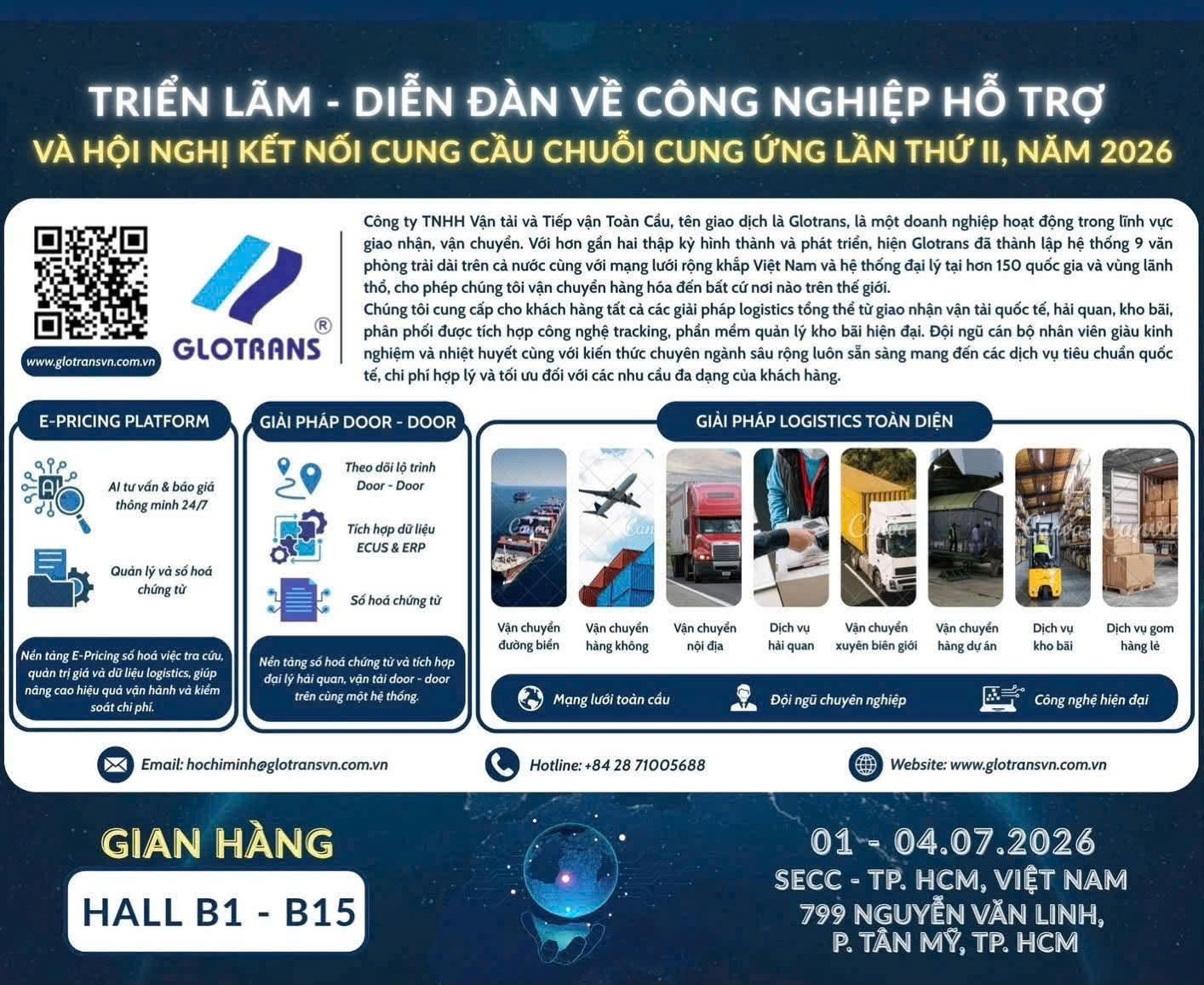
From July 1–4, 2026, Glotrans is participating in MTA Vietnam 2026, one of Vietnam's leading international exhibitions for precision engineering, manufacturing, and supporting industries, held at the Saigon Exhibition and Convention Center (SECC), Ho Chi Minh City.
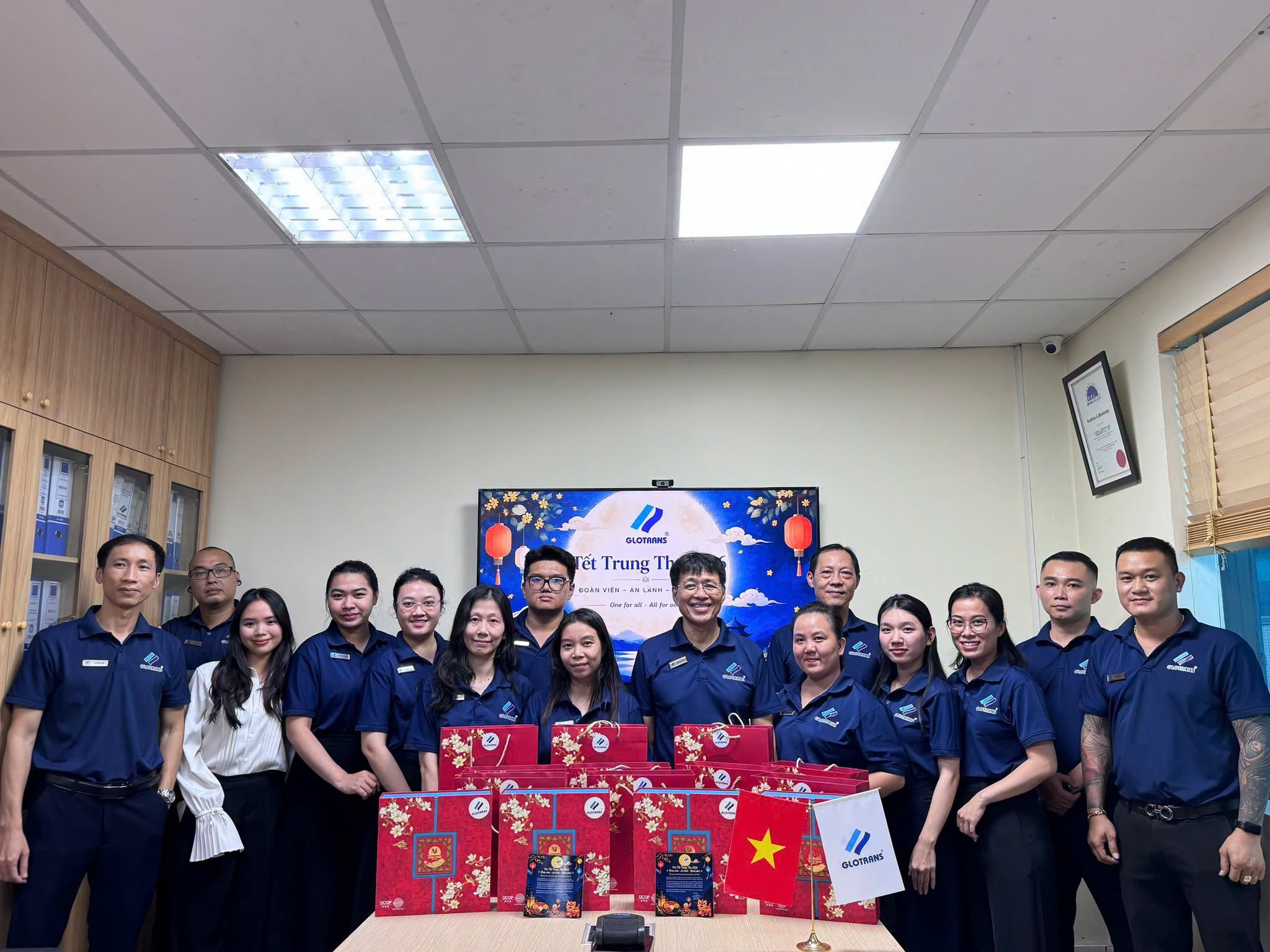
The Mid-Autumn Festival is not only a time for family reunions, but also a special occasion to share love, send warm wishes, and enjoy meaningful moments with our beloved colleagues.
Over the past few days, GLOTRANS’s General Director has been traveling between offices, from Da Nang to Quy Nhon, to personally attend meetings reviewing the business performance of the first six months of the year, assess each office’s operations, and work with the teams to set goals for the next stage.
GLOTRANS would like to inform our Valued Customers and Partners of our holiday schedule for Vietnam’s National Day (2 September 2026) as follows:
The shipment of food additives was transported in container No. FCIU3301688 (20’), under B/L MPRSMUM1806, on the voyage from Nhavasheva Port (India) to Dinh Vu Port (Hai Phong, Vietnam) on 29/04/2017.
Company T (Plaintiff – the Insured) entered into an insurance contract with Company B (Defendant – the Insurer). After the insured event occurred, the Insurer alleged that the Insured had violated its obligation to prevent and mitigate losses. The Arbitral Tribunal acknowledged that such an obligation exists but concluded that the Insured did not breach it.
Under the insurance contract, the premium was to be paid in three installments, and in all three, the insured party was late in payment. When a dispute arose, the insurer (Defendant) argued that the insurance contract had terminated before the insured event occurred due to the late premium payment and therefore refused to make an insurance payout. However, the Arbitral Tribunal held a contrary view.