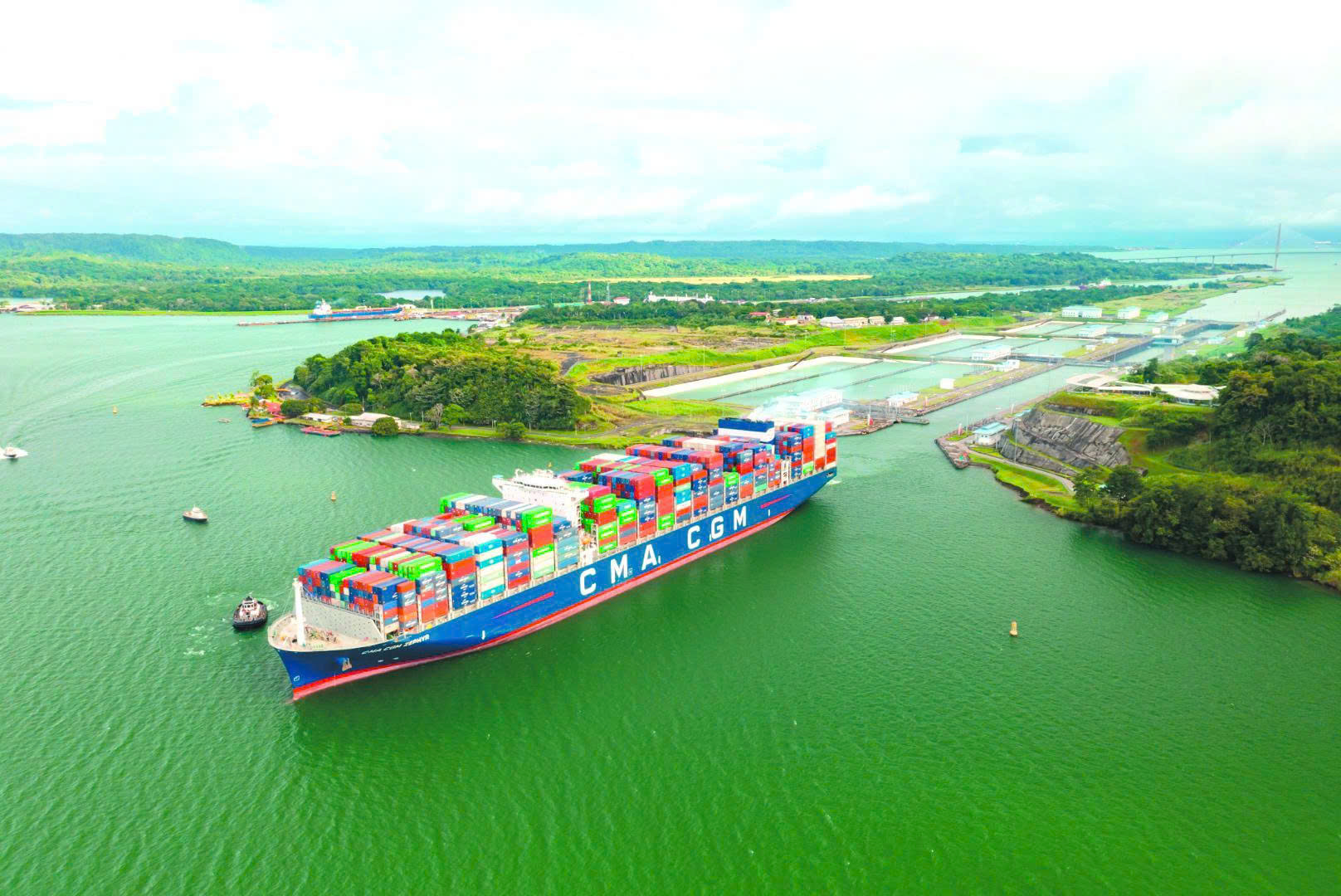
PANAMA CANAL TO FURTHER REDUCE DRAFT LIMIT FOR NEOPANAMAX VESSELS
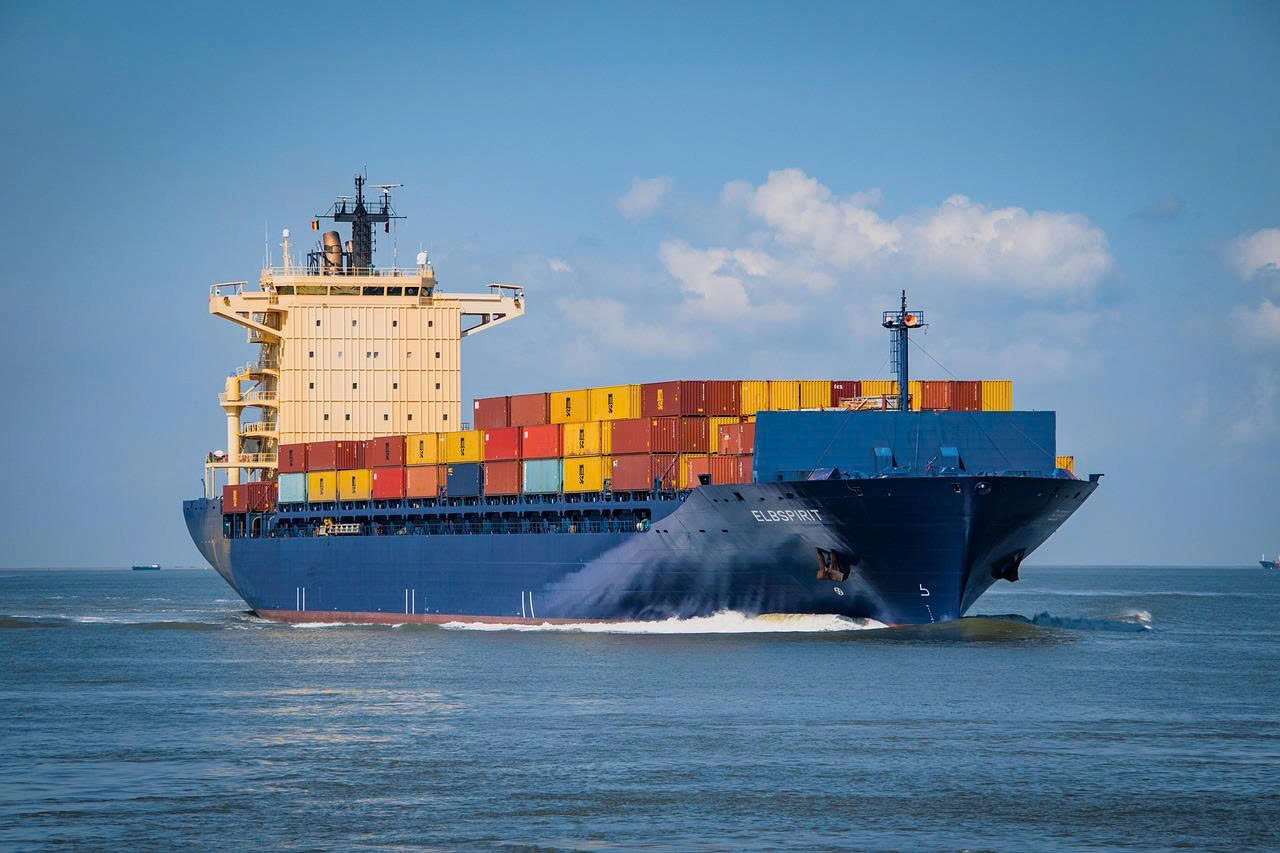
The Panama Canal will further reduce the maximum allowable draft for Neopanamax vessels from late August 2026 as water levels in Gatun Lake continue to decline.
Europe remains one of the most important and promising export markets for Vietnamese enterprises, especially following the implementation of the EU–Vietnam Free Trade Agreement (EVFTA). With a population of over 740 million and a total GDP of approximately USD 18 trillion, the region has a strong and diverse demand for imports ranging from agricultural products and processed foods to industrial goods, electronics, and textiles.
According to the latest data from the General Department of Vietnam Customs, Vietnam’s export turnover to the European Union (EU) reached USD 51.66 billion in 2024, marking an 18.5% increase compared to 2023. The EU currently accounts for approximately 12.5% of Vietnam’s total export value.
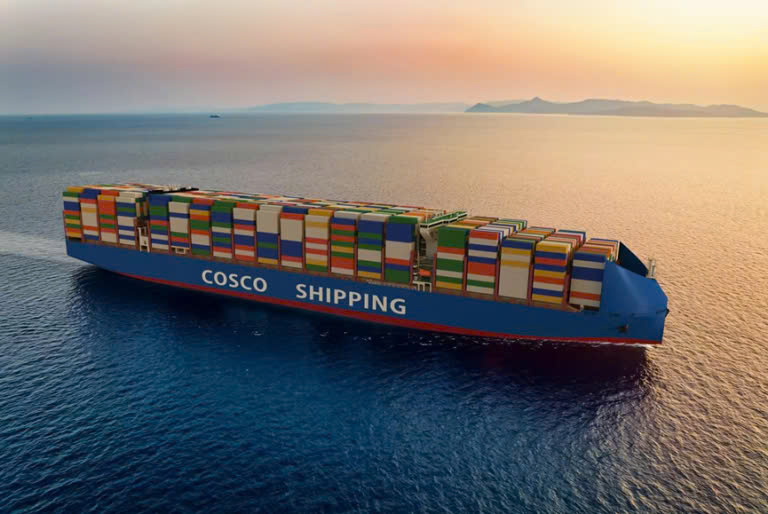
To meet the growing demand for trade between Vietnam and Europe, several major shipping lines have expanded their direct shipping routes. Most recently, COSCO SHIPPING, the world’s third-largest container shipping company, officially launched a new direct service from Cai Mep Port (Vietnam) to key ports in Europe. This direct route is expected to significantly shorten transit times and reduce logistics costs for exporters.
The new service eliminates the need for transshipment at intermediate hubs such as Singapore or Malaysia, thus improving schedule reliability and operational efficiency. This is particularly crucial in the current context, where global supply chains continue to face disruptions and volatility.
COSCO’s decision to operate a direct service from Cai Mep — one of Vietnam’s most advanced deep-water ports—highlights the country’s rising potential as a strategic logistics hub in the region. This development presents an important opportunity for Vietnamese exporters to expand their market reach, optimize transportation costs, and enhance competitiveness on the global stage.
Source: collect
The Panama Canal will further reduce the maximum allowable draft for Neopanamax vessels from late August 2026 as water levels in Gatun Lake continue to decline.
In modern logistics, delays are no longer viewed as mere inconveniences. They can result in significant financial losses, including reduced revenue, dissatisfied customers, increased warehousing costs, disrupted production schedules, and damaged business reputation
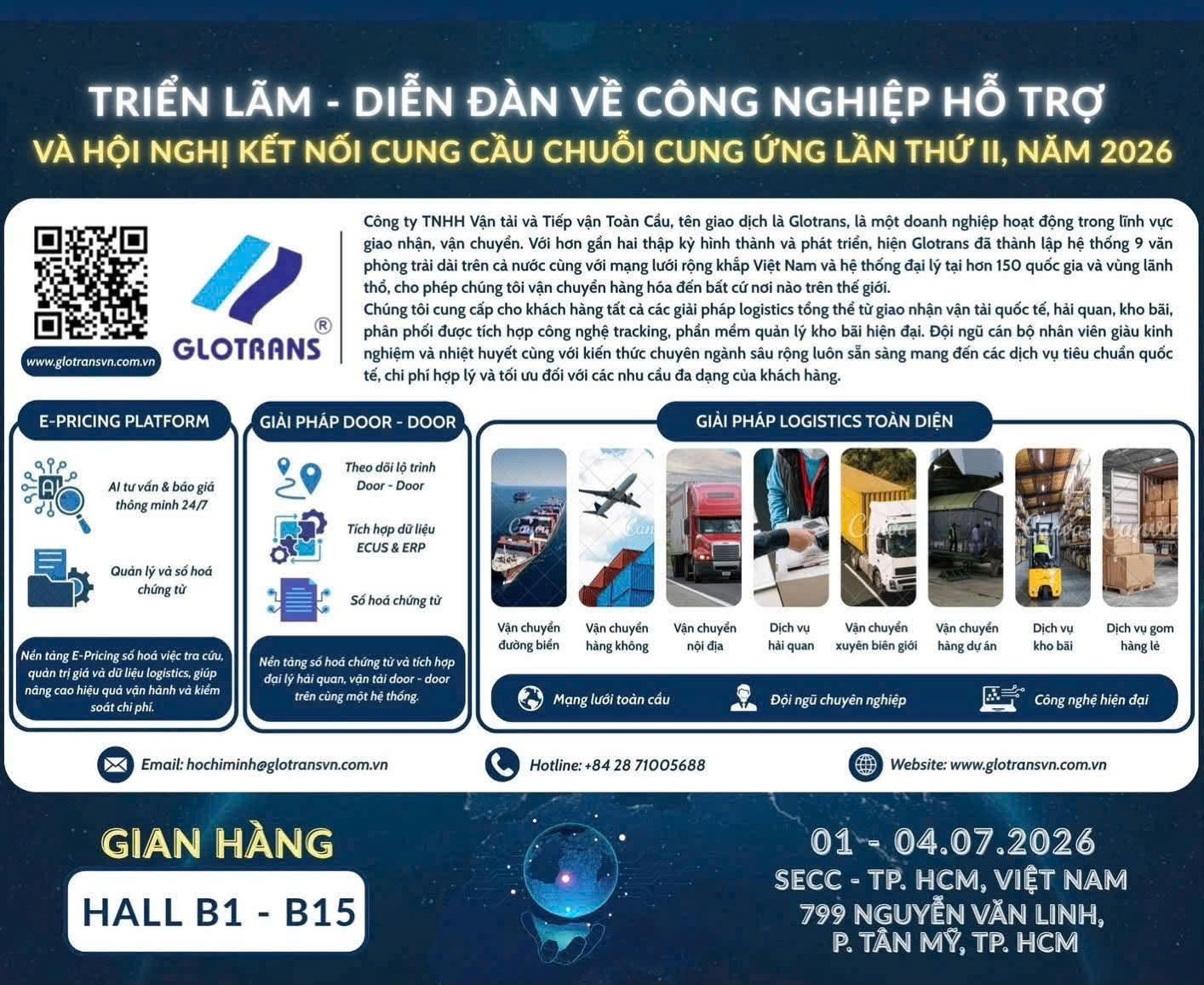
From July 1–4, 2026, Glotrans is participating in MTA Vietnam 2026, one of Vietnam's leading international exhibitions for precision engineering, manufacturing, and supporting industries, held at the Saigon Exhibition and Convention Center (SECC), Ho Chi Minh City.
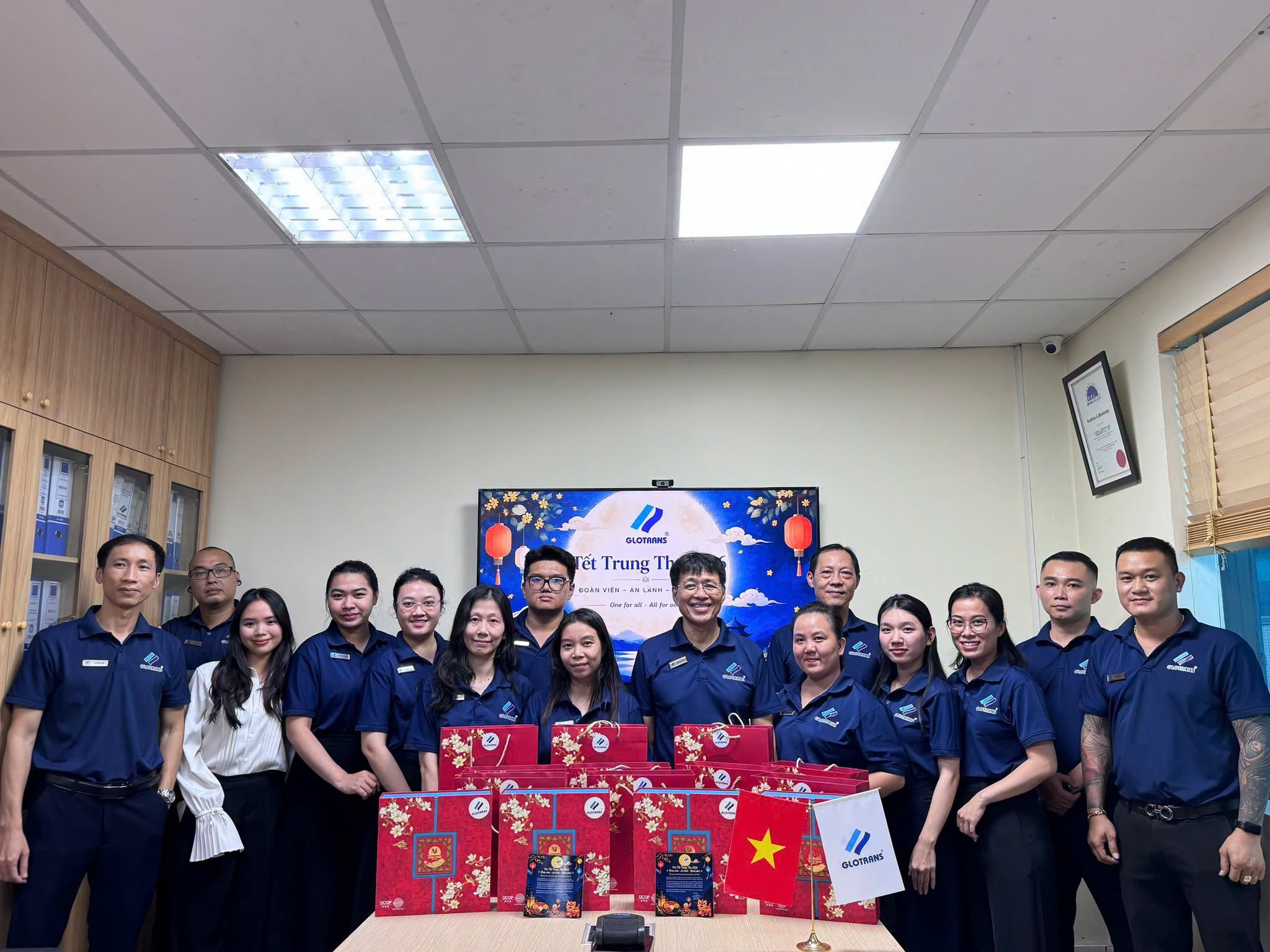
The Mid-Autumn Festival is not only a time for family reunions, but also a special occasion to share love, send warm wishes, and enjoy meaningful moments with our beloved colleagues.
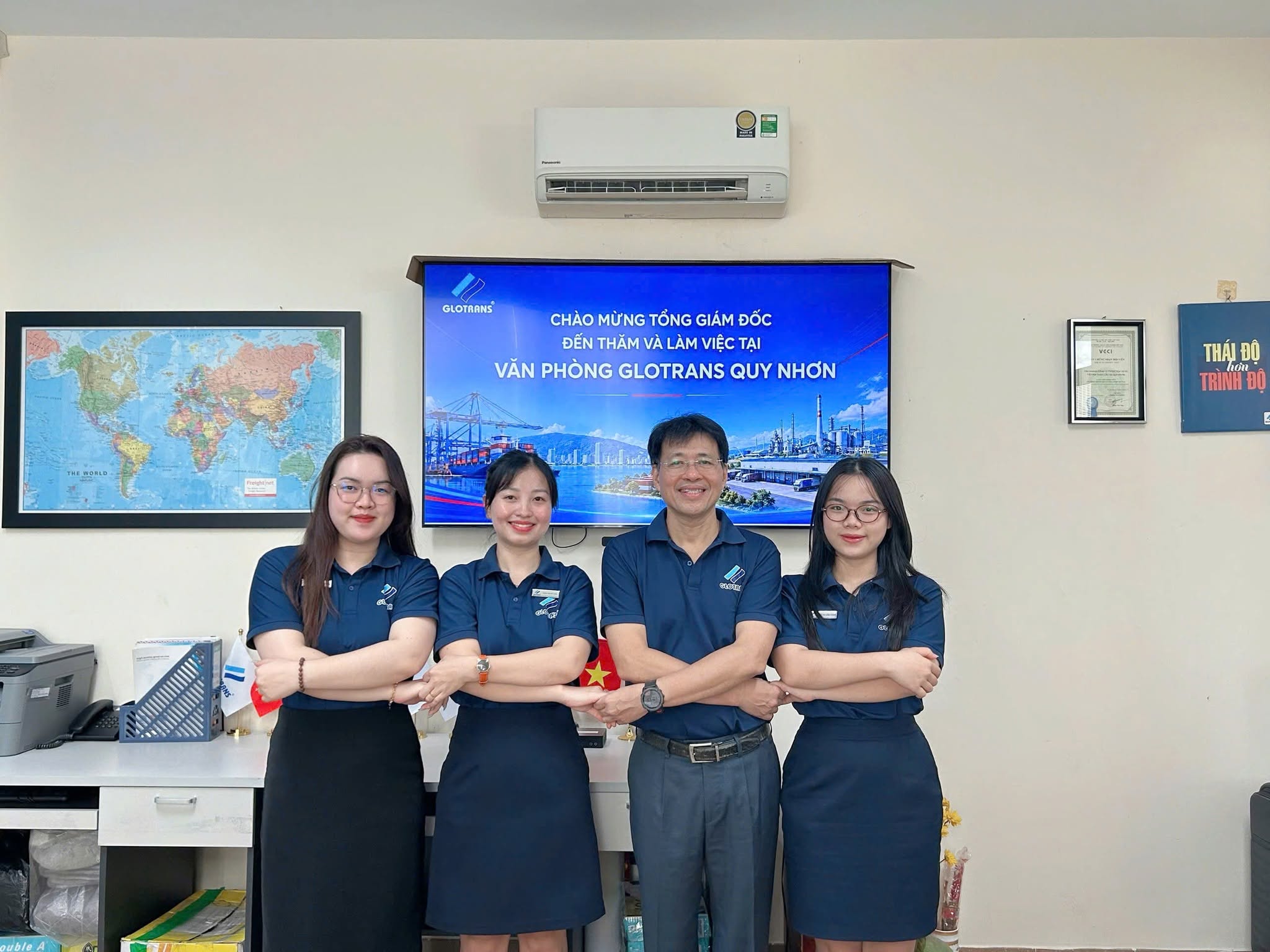
Over the past few days, GLOTRANS’s General Director has been traveling between offices, from Da Nang to Quy Nhon, to personally attend meetings reviewing the business performance of the first six months of the year, assess each office’s operations, and work with the teams to set goals for the next stage.
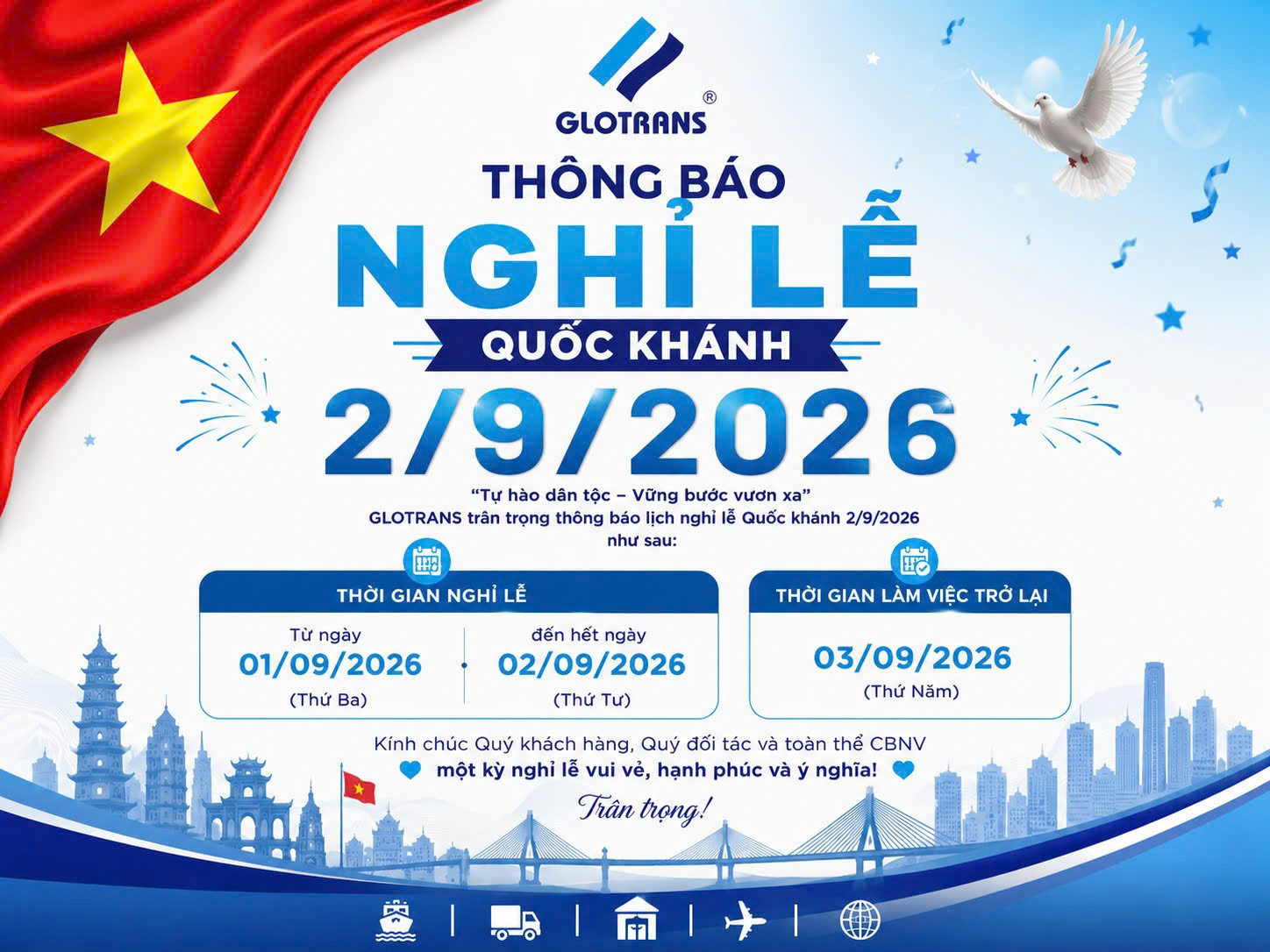
GLOTRANS would like to inform our Valued Customers and Partners of our holiday schedule for Vietnam’s National Day (2 September 2026) as follows:
The shipment of food additives was transported in container No. FCIU3301688 (20’), under B/L MPRSMUM1806, on the voyage from Nhavasheva Port (India) to Dinh Vu Port (Hai Phong, Vietnam) on 29/04/2017.
Company T (Plaintiff – the Insured) entered into an insurance contract with Company B (Defendant – the Insurer). After the insured event occurred, the Insurer alleged that the Insured had violated its obligation to prevent and mitigate losses. The Arbitral Tribunal acknowledged that such an obligation exists but concluded that the Insured did not breach it.
Under the insurance contract, the premium was to be paid in three installments, and in all three, the insured party was late in payment. When a dispute arose, the insurer (Defendant) argued that the insurance contract had terminated before the insured event occurred due to the late premium payment and therefore refused to make an insurance payout. However, the Arbitral Tribunal held a contrary view.