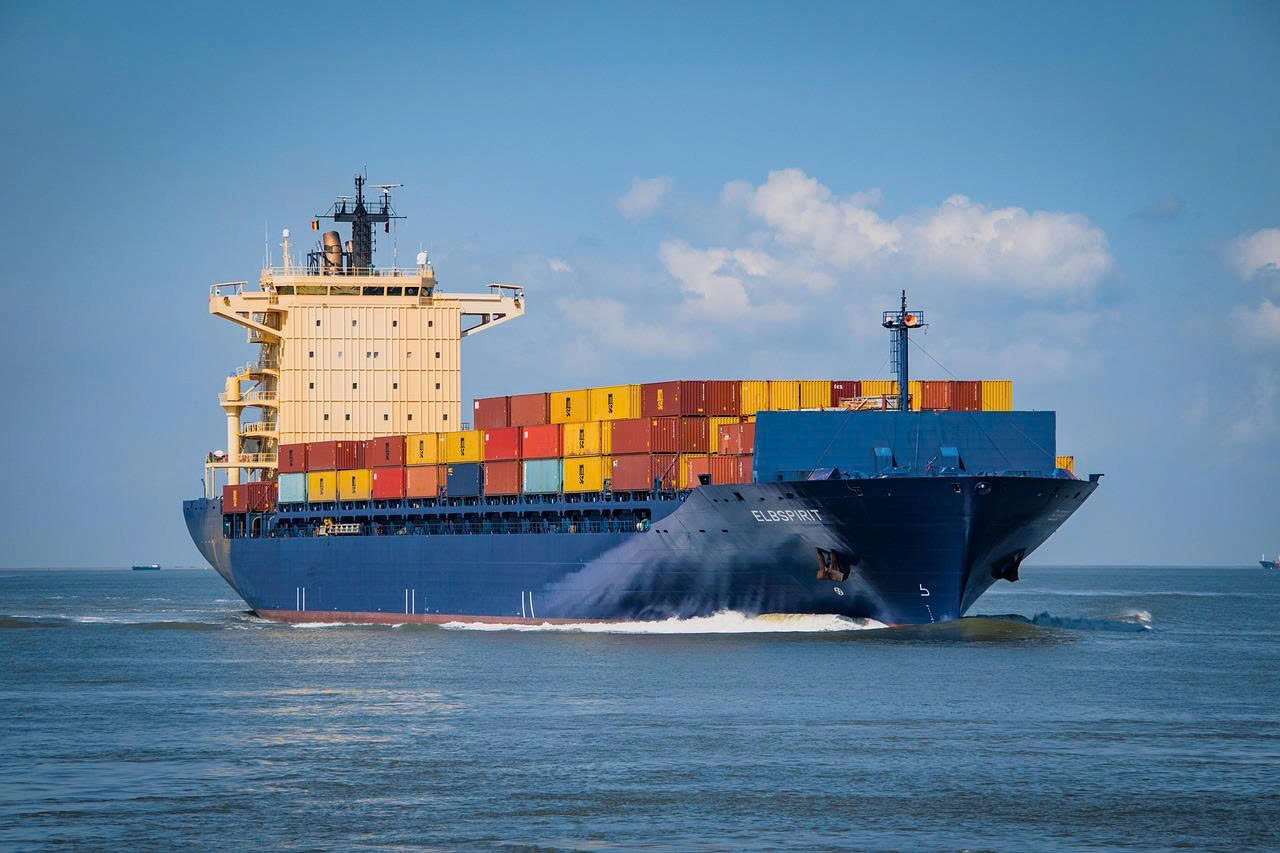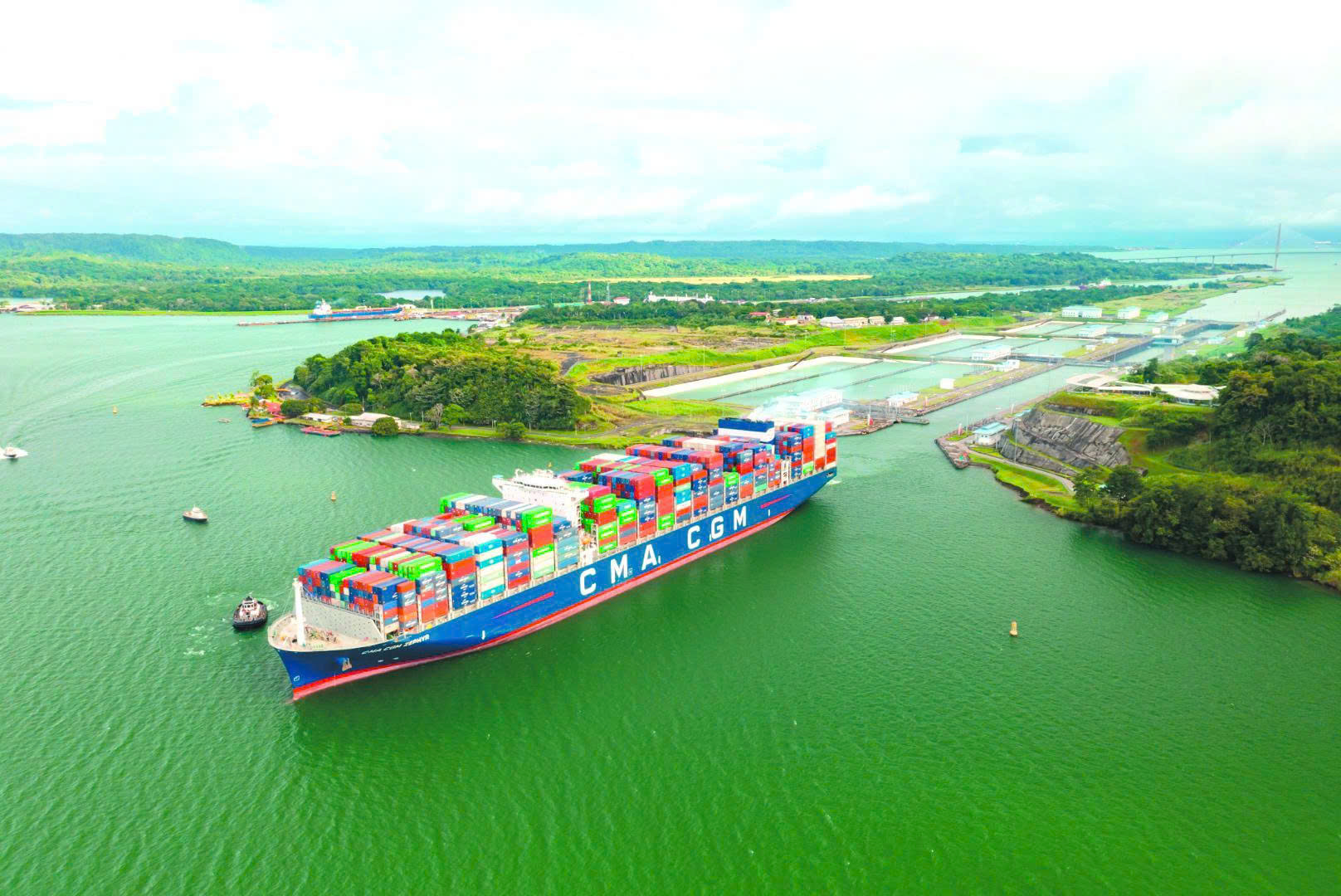
PANAMA CANAL TO FURTHER REDUCE DRAFT LIMIT FOR NEOPANAMAX VESSELS
The Panama Canal will further reduce the maximum allowable draft for Neopanamax vessels from late August 2026 as water levels in Gatun Lake continue to decline.
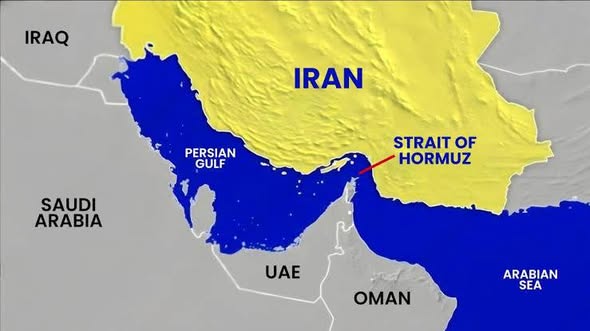
Entering April 2026, escalating tensions in the Strait of Hormuz have triggered a systemic disruption across global logistics networks. However, for Vietnamese import-export enterprises, the immediate risk is no longer confined to the Middle East. The critical pressure point has shifted to Asia’s transshipment hubs-most notably Singapore-where congestion is now constraining regional cargo flows at scale.
1. Historic Congestion in Singapore: Direct Impact on Vietnam’s Export Flows
Disruptions in the Gulf have redirected vessel traffic toward Asian hubs, pushing the Port of Singapore into unprecedented congestion. Vessels originally deployed on Middle East routes are now idling or rerouting, effectively turning Singapore into a large-scale holding zone.
Market data indicates that congestion levels surged sharply in late March, with vessel waiting times extending to 4–6 days in early April. Approximately 260 vessels have adopted slow-steaming strategies to better align with berth availability, highlighting a severe imbalance between port capacity and incoming traffic.
This bottleneck has cascaded to nearby hubs such as Tanjung Pelepas and Port Klang, significantly disrupting feeder schedules from Vietnam. As transshipment efficiency deteriorates, connectivity to long-haul mother vessels weakens, driving both transit delays and cost escalation. Notably, spot rates from Asia to the U.S. West Coast have increased by approximately 37%, largely attributable to this hub-level congestion.
2. The “Ceasefire Illusion” and the Risk of Hormuz Becoming a Control Point
While parts of the market anticipate relief from a potential ceasefire, expert assessments remain cautious. Insights from Xeneta suggest that any temporary de-escalation would only provide a limited window to clear urgent backlogs, rather than restoring market equilibrium.
With an estimated 250,000 TEU of weekly capacity disrupted, carriers are prioritizing the repositioning of backlog cargo from alternative ports such as Nhava Sheva into Jebel Ali, instead of accepting new bookings. This materially constrains available capacity for shippers.
Consequently, spot rates on Asia–Middle East routes have surged to nearly USD 6,000 per FEU, marking an increase of roughly 270% since late February. More critically, the risk of Iran tightening control over the Strait of Hormuz introduces a structural threat. If the strait effectively operates as a controlled “toll point,” additional transit fees, payment frictions, and access restrictions could significantly elevate uncertainty across global trade flows.
3. Energy Shock as a Structural Driver of Freight Inflation
Beyond congestion, freight markets are under mounting pressure from energy costs. Charter rates for Very Large Crude Carriers (VLCCs) on the Middle East–China route have surged to record levels, while LNG carrier rates have risen by 43–45%.
This trend not only reflects geopolitical risk premiums but also establishes a higher cost baseline for maritime transport. In the near term, container shipping lines are expected to maintain elevated freight rates while introducing emergency surcharges to offset rising operating costs.
4. Operational Implications and the Role of Glotrans Vietnam
Amid widespread disruption from South Asia to East Asia, supply chain strategy must shift from cost optimization to resilience and continuity.
Glotrans Vietnam positions itself as a strategic logistics partner by focusing on two key priorities. First, it actively redesigns routing strategies to bypass congested hubs such as Singapore and Port Klang, thereby preserving connectivity to long-haul vessel networks. Second, it strengthens cost control and compliance, particularly on the U.S.-bound trade lane.
With a license from the Federal Maritime Commission, Glotrans ensures transparent, compliant pricing structures aligned with U.S. regulatory standards. This significantly reduces the risk of arbitrary surcharges and minimizes the likelihood of cargo being held at destination ports—an increasingly common issue in volatile market conditions.
ELEVATE YOUR SUPPLY CHAIN WITH GLOTRANS
Whether you are an international agent seeking a highly reliable forwarding partner in Vietnam, or a domestic business in need of cost-effective import/export solutions, Glotrans is here to help.
Contact us today for expert consultations and competitive quotes on our comprehensive logistics services
Sources: Compiled
The Panama Canal will further reduce the maximum allowable draft for Neopanamax vessels from late August 2026 as water levels in Gatun Lake continue to decline.
In modern logistics, delays are no longer viewed as mere inconveniences. They can result in significant financial losses, including reduced revenue, dissatisfied customers, increased warehousing costs, disrupted production schedules, and damaged business reputation
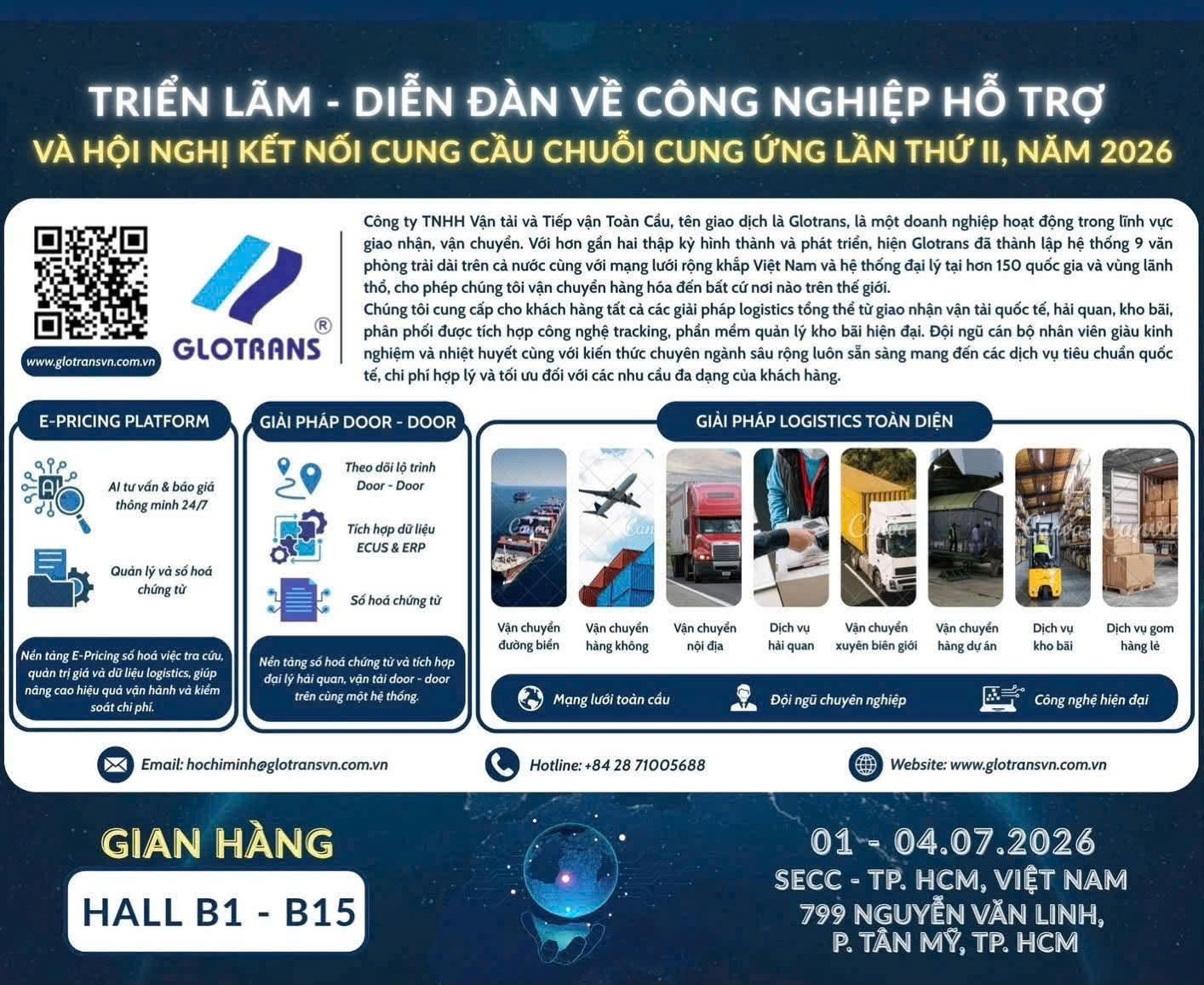
From July 1–4, 2026, Glotrans is participating in MTA Vietnam 2026, one of Vietnam's leading international exhibitions for precision engineering, manufacturing, and supporting industries, held at the Saigon Exhibition and Convention Center (SECC), Ho Chi Minh City.
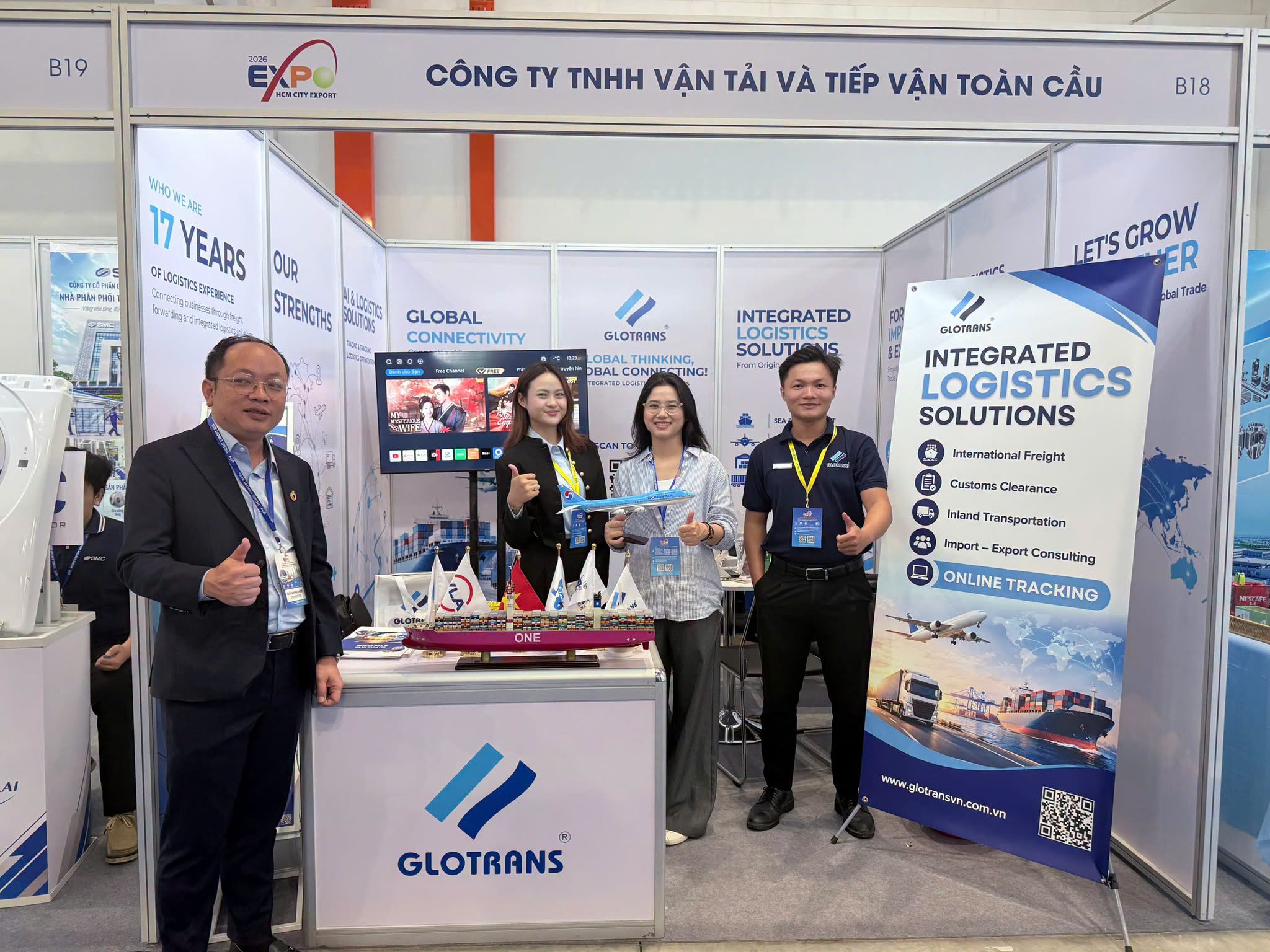
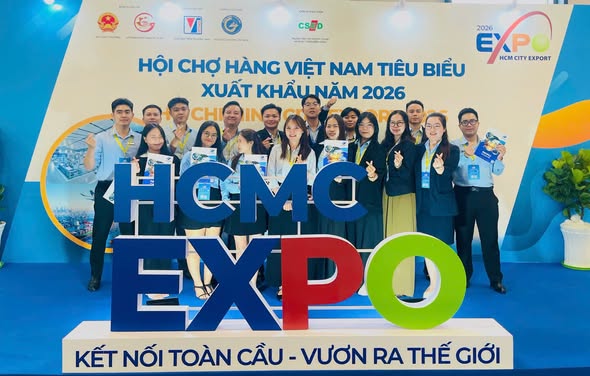
Building on the positive momentum of the opening day, on October 23, 2026, Glotrans’ Booth B18 at HCMC Export 2026 continued to welcome a large number of visitors, businesses, and domestic and international partners for networking, service exploration, and discussions on potential collaboration opportunities.
In celebration of Vietnamese Women’s Day on October 20, Glotrans branches across the entire system have organized meaningful activities, creating a warm, joyful atmosphere and many memorable moments for female employees.
The shipment of food additives was transported in container No. FCIU3301688 (20’), under B/L MPRSMUM1806, on the voyage from Nhavasheva Port (India) to Dinh Vu Port (Hai Phong, Vietnam) on 29/04/2017.
Company T (Plaintiff – the Insured) entered into an insurance contract with Company B (Defendant – the Insurer). After the insured event occurred, the Insurer alleged that the Insured had violated its obligation to prevent and mitigate losses. The Arbitral Tribunal acknowledged that such an obligation exists but concluded that the Insured did not breach it.
Under the insurance contract, the premium was to be paid in three installments, and in all three, the insured party was late in payment. When a dispute arose, the insurer (Defendant) argued that the insurance contract had terminated before the insured event occurred due to the late premium payment and therefore refused to make an insurance payout. However, the Arbitral Tribunal held a contrary view.