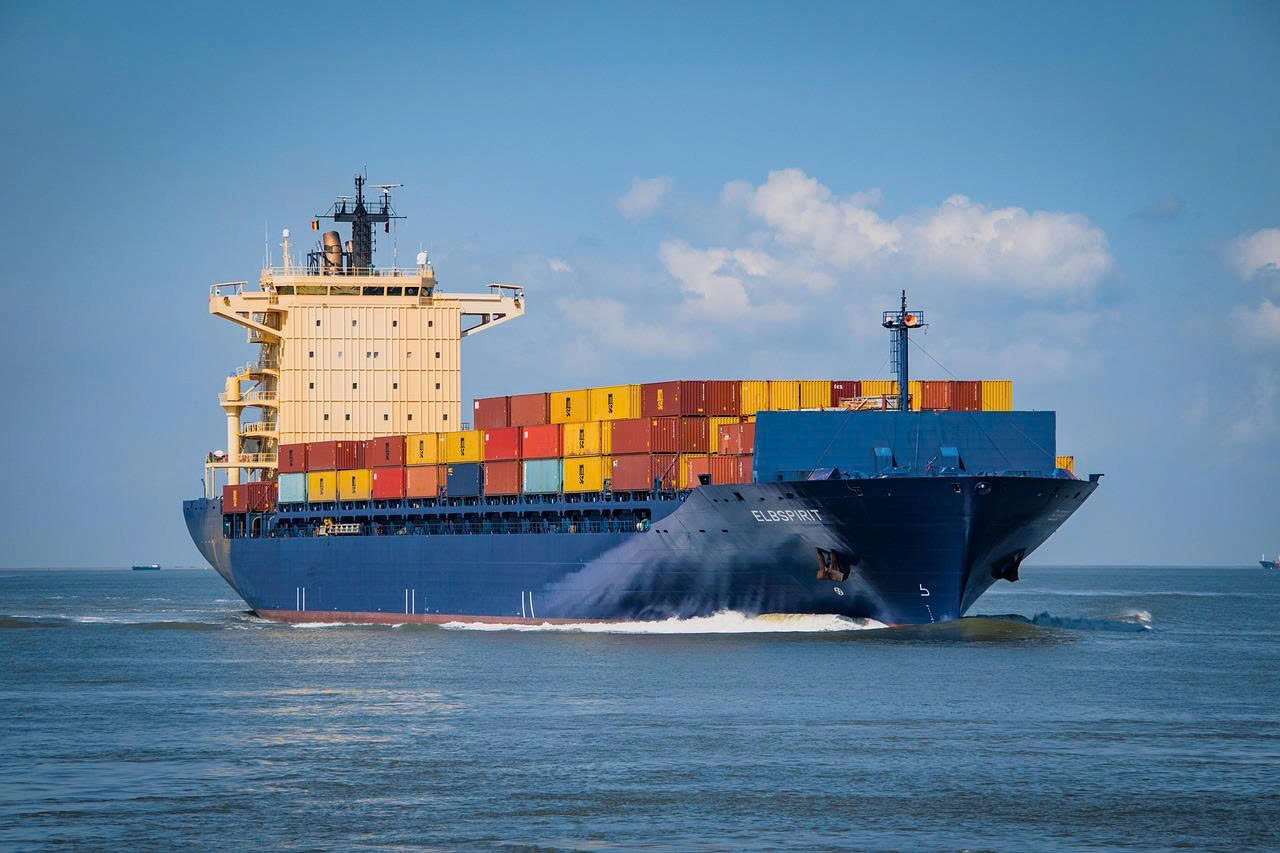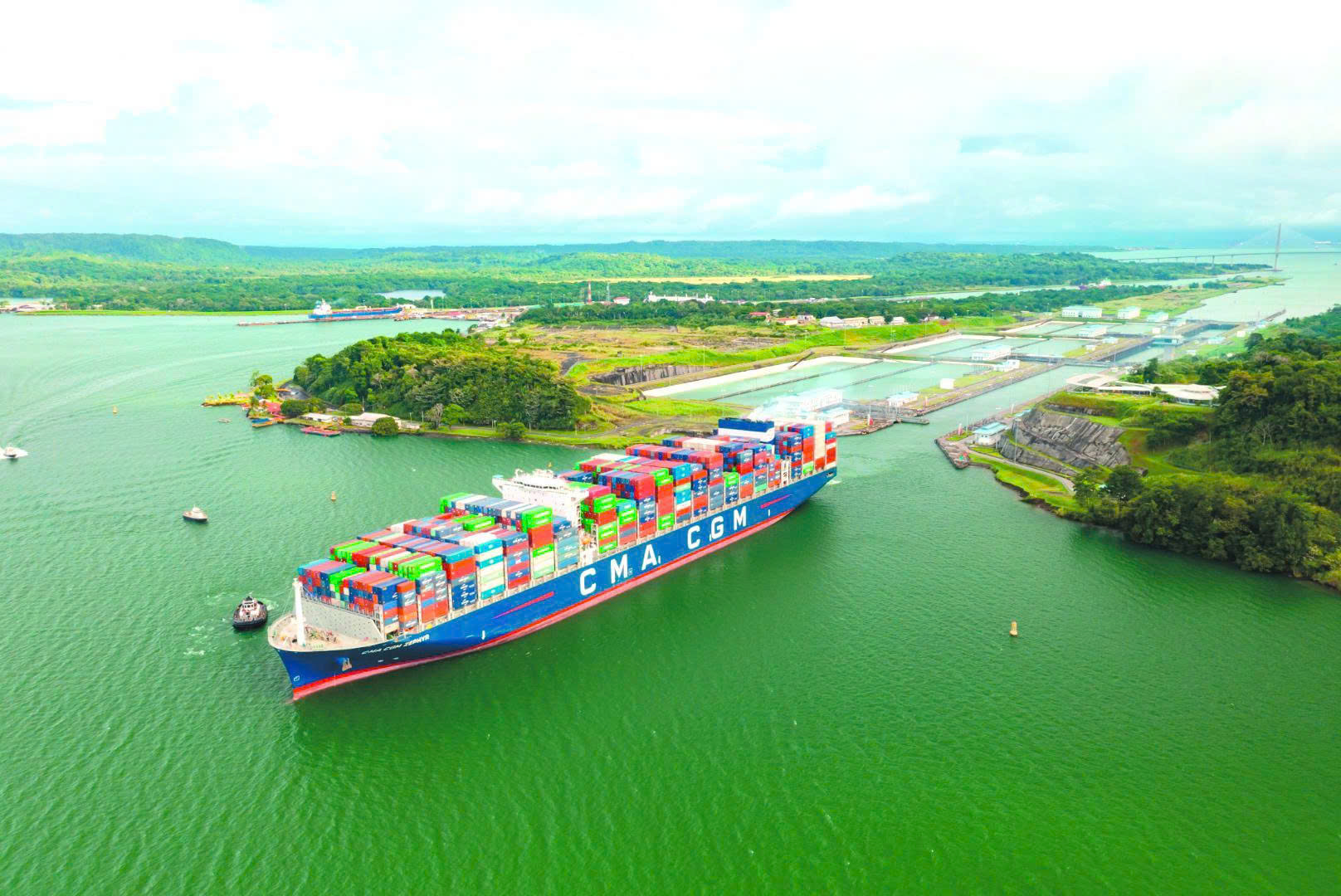
PANAMA CANAL TO FURTHER REDUCE DRAFT LIMIT FOR NEOPANAMAX VESSELS
The Panama Canal will further reduce the maximum allowable draft for Neopanamax vessels from late August 2026 as water levels in Gatun Lake continue to decline.
Vietnam strengthens its position in global supply chains
Amid ongoing global supply chain restructuring, Vietnam is emerging as a key manufacturing and sourcing hub in Asia. The “China+1” strategy and the need for risk diversification are driving multinational corporations to expand their presence in Vietnam.
Key competitive advantages include:
- Strategic geographic location
- Competitive production costs
- Stable political environment
- Extensive network of 17 FTAs covering over 60 markets
These factors position Vietnam as a critical node in global value chains.
VIS 2026 – A strategic sourcing platform
Vietnam International Sourcing 2026 (VIS 2026), scheduled for September 3–5, 2026 in Ho Chi Minh City, is expected to serve as a major platform connecting Vietnamese manufacturers with global buyers.
The event delivers three key benefits:
- Direct B2B matchmaking
- On-site factory assessments
- Immediate contract negotiations and signing
Vietnam is currently among the top five sourcing countries for Walmart globally, with annual procurement reaching billions of USD—demonstrating strong manufacturing capabilities and supplier reliability.
Export growth remains strong
Vietnam continues to record solid export performance:
- Total exports: ~USD 475 billion
- United States: USD 153 billion (+28.1%)
- EU: USD 56.2 billion
- China: USD 70.45 billion
In Q1 2026, exports to the U.S. reached USD 39 billion (+24.3%), indicating sustained global demand.
Key export sectors include:
- Electronics
- Machinery and equipment
- Textiles and footwear
- Agriculture and processed foods
Logistics: challenges and opportunities
Rising global demand is placing increasing pressure on logistics systems:
1. Infrastructure and lead time constraints
Higher volumes are impacting port capacity and inland transportation efficiency.
2. Freight cost volatility
Fluctuations in global shipping rates require more agile cost optimization strategies.
3. ESG and compliance requirements
Particularly in the EU, traceability and sustainability standards are becoming mandatory.
Logistics is evolving from a support function into a core competitive advantage.
Strategic implications for exporters
To capitalize on supply chain shifts, businesses should:
- Upgrade supply chain management capabilities
- Ensure compliance with international standards
- Optimize logistics costs and delivery performance
- Partner with experienced global logistics providers
Vietnam is well-positioned to capture long-term opportunities from global supply chain realignment. However, future competitiveness will depend not only on cost advantages but also on operational excellence, transparency, and compliance.
Companies that proactively adapt will gain a significant edge in the evolving global marketplace.
ELEVATE YOUR SUPPLY CHAIN WITH GLOTRANS
Whether you are an international agent seeking a highly reliable forwarding partner in Vietnam, or a domestic business in need of cost-effective import/export solutions, Glotrans is here to help.
Sources: Compiled
The Panama Canal will further reduce the maximum allowable draft for Neopanamax vessels from late August 2026 as water levels in Gatun Lake continue to decline.
In modern logistics, delays are no longer viewed as mere inconveniences. They can result in significant financial losses, including reduced revenue, dissatisfied customers, increased warehousing costs, disrupted production schedules, and damaged business reputation
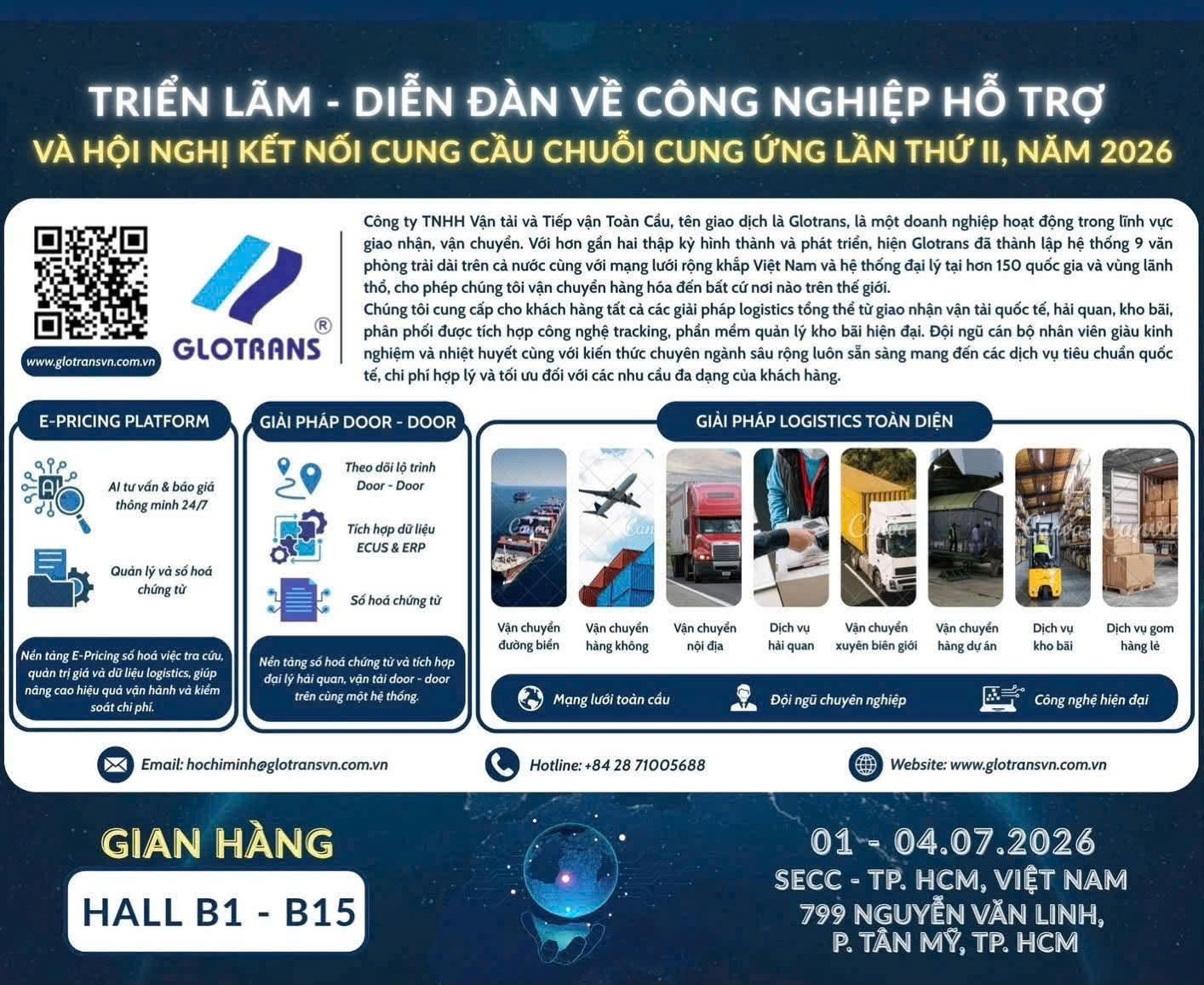
From July 1–4, 2026, Glotrans is participating in MTA Vietnam 2026, one of Vietnam's leading international exhibitions for precision engineering, manufacturing, and supporting industries, held at the Saigon Exhibition and Convention Center (SECC), Ho Chi Minh City.
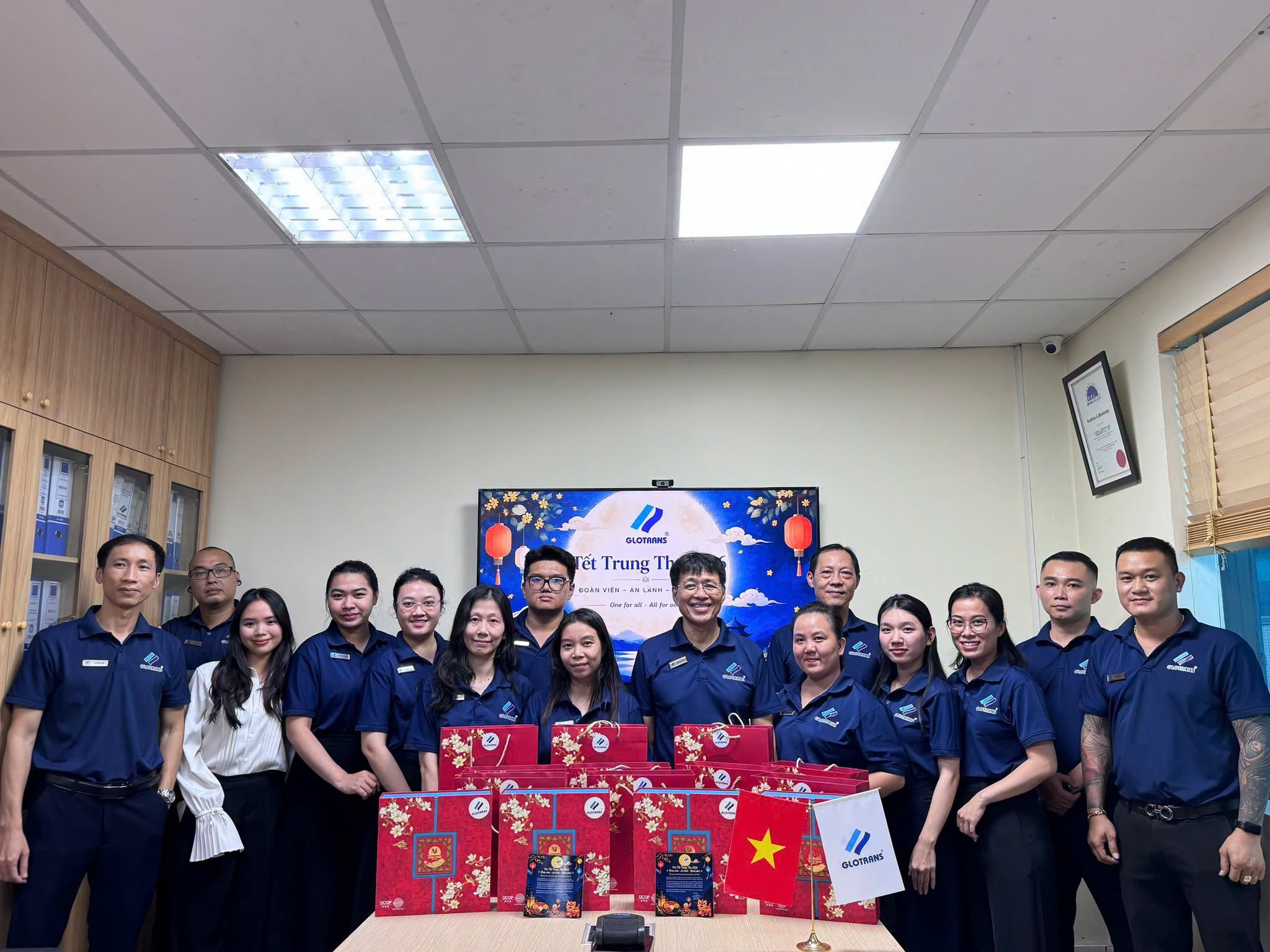
The Mid-Autumn Festival is not only a time for family reunions, but also a special occasion to share love, send warm wishes, and enjoy meaningful moments with our beloved colleagues.
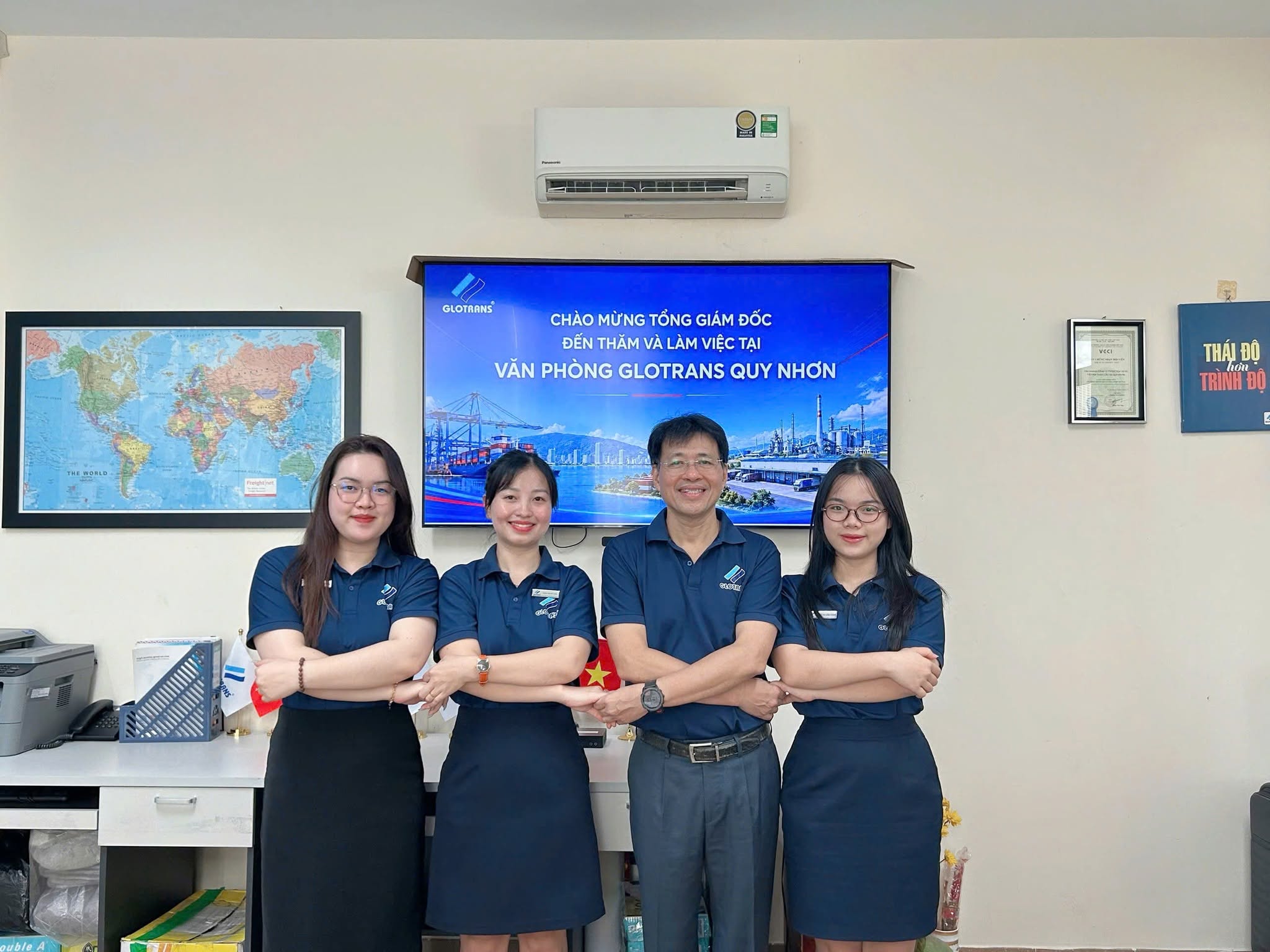
Over the past few days, GLOTRANS’s General Director has been traveling between offices, from Da Nang to Quy Nhon, to personally attend meetings reviewing the business performance of the first six months of the year, assess each office’s operations, and work with the teams to set goals for the next stage.
GLOTRANS would like to inform our Valued Customers and Partners of our holiday schedule for Vietnam’s National Day (2 September 2026) as follows:
The shipment of food additives was transported in container No. FCIU3301688 (20’), under B/L MPRSMUM1806, on the voyage from Nhavasheva Port (India) to Dinh Vu Port (Hai Phong, Vietnam) on 29/04/2017.
Company T (Plaintiff – the Insured) entered into an insurance contract with Company B (Defendant – the Insurer). After the insured event occurred, the Insurer alleged that the Insured had violated its obligation to prevent and mitigate losses. The Arbitral Tribunal acknowledged that such an obligation exists but concluded that the Insured did not breach it.
Under the insurance contract, the premium was to be paid in three installments, and in all three, the insured party was late in payment. When a dispute arose, the insurer (Defendant) argued that the insurance contract had terminated before the insured event occurred due to the late premium payment and therefore refused to make an insurance payout. However, the Arbitral Tribunal held a contrary view.