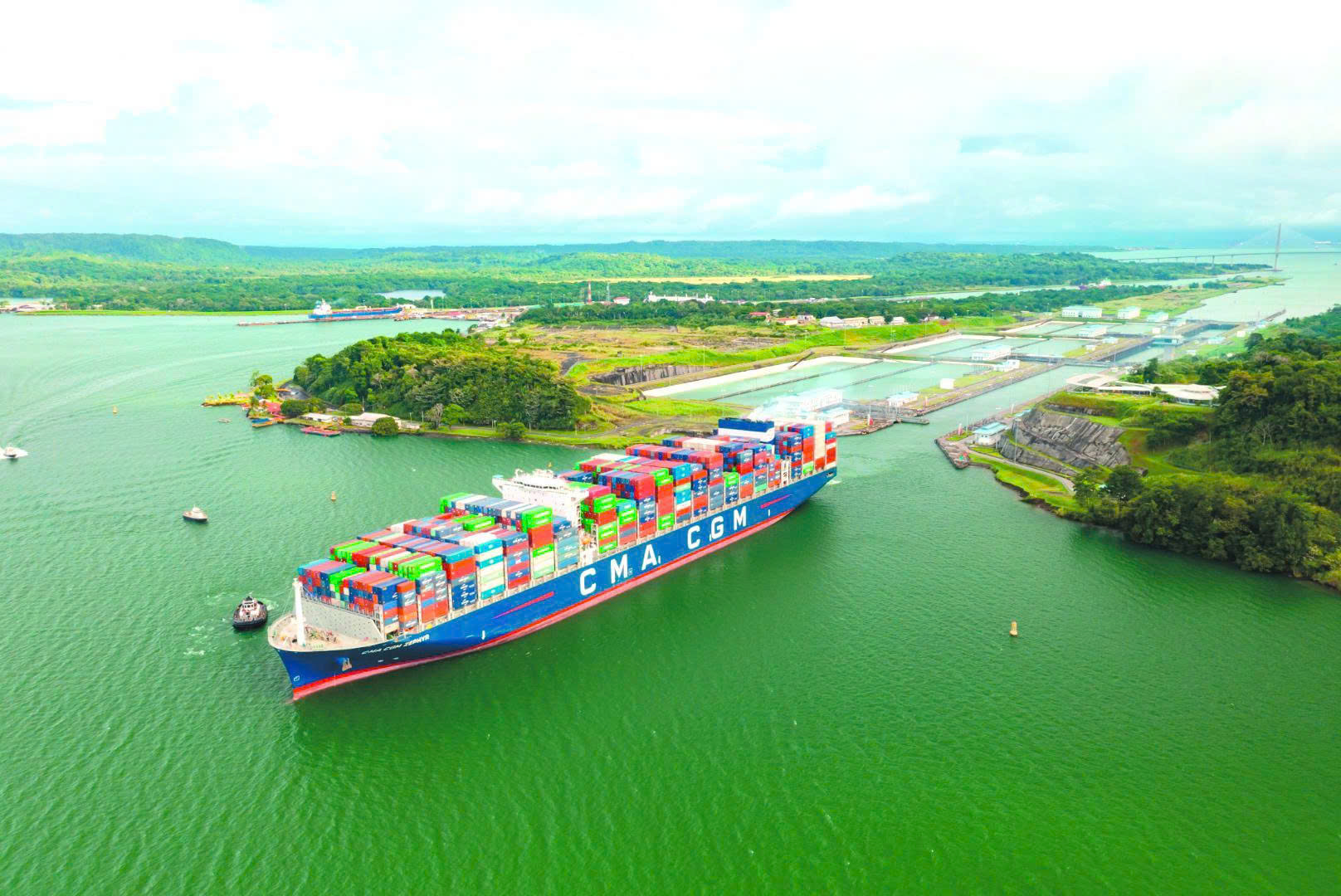
PANAMA CANAL TO FURTHER REDUCE DRAFT LIMIT FOR NEOPANAMAX VESSELS
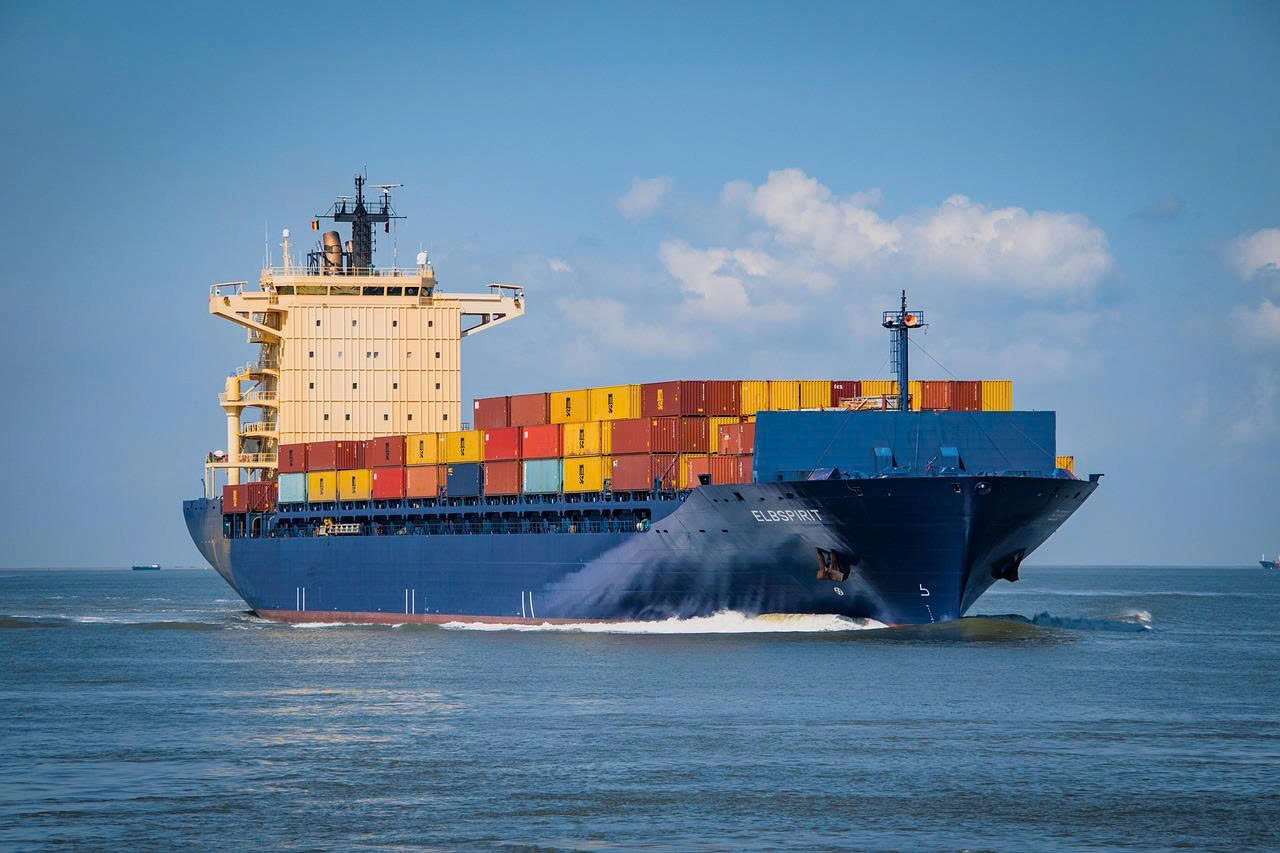
The Panama Canal will further reduce the maximum allowable draft for Neopanamax vessels from late August 2026 as water levels in Gatun Lake continue to decline.
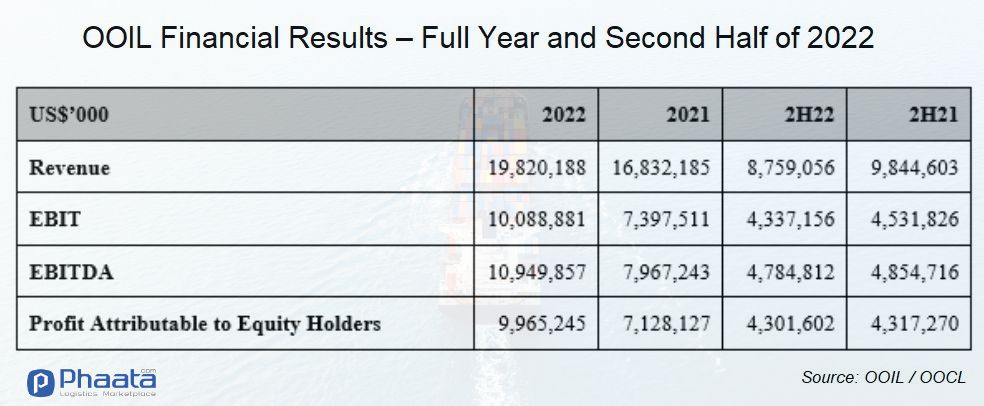
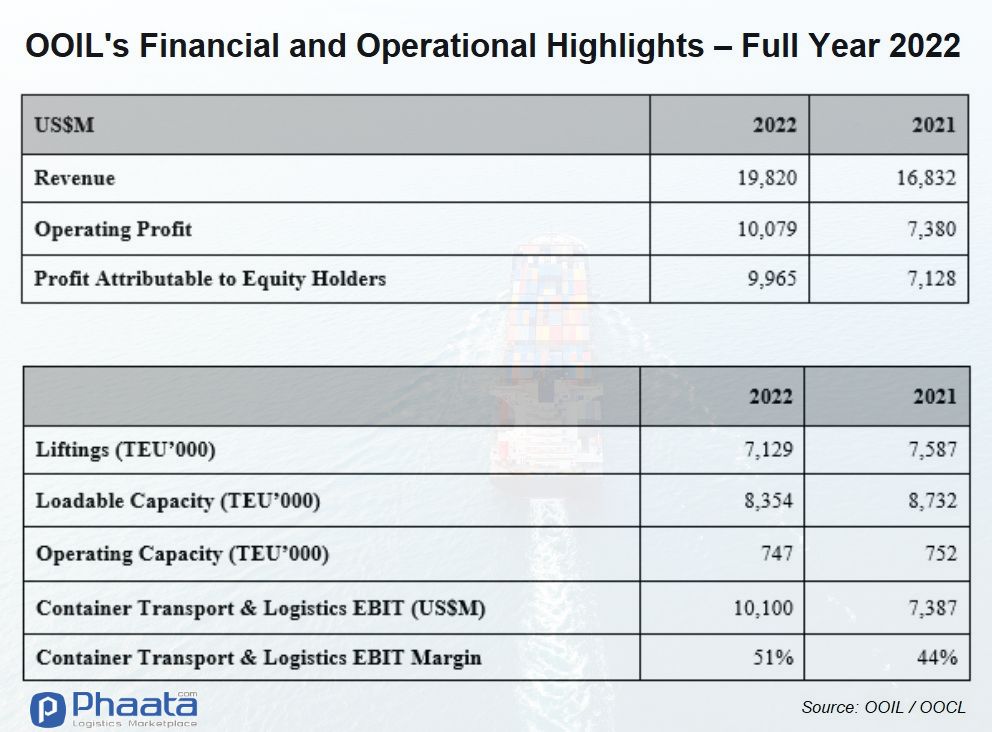
Orient Overseas (International) Limited, the parent company of shipping line OOCL, has announced its full-year business results for 2022, with revenue of 19.82 billion USD and profit before interest and tax (EBIT) of 10,089 billion USD.
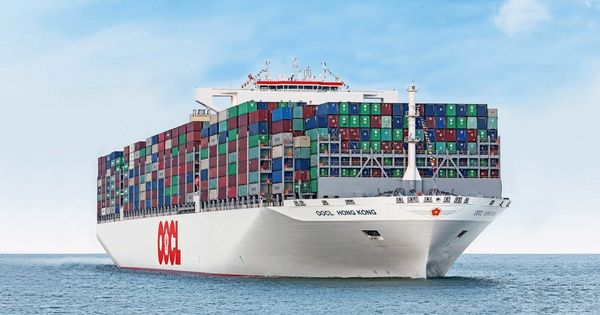
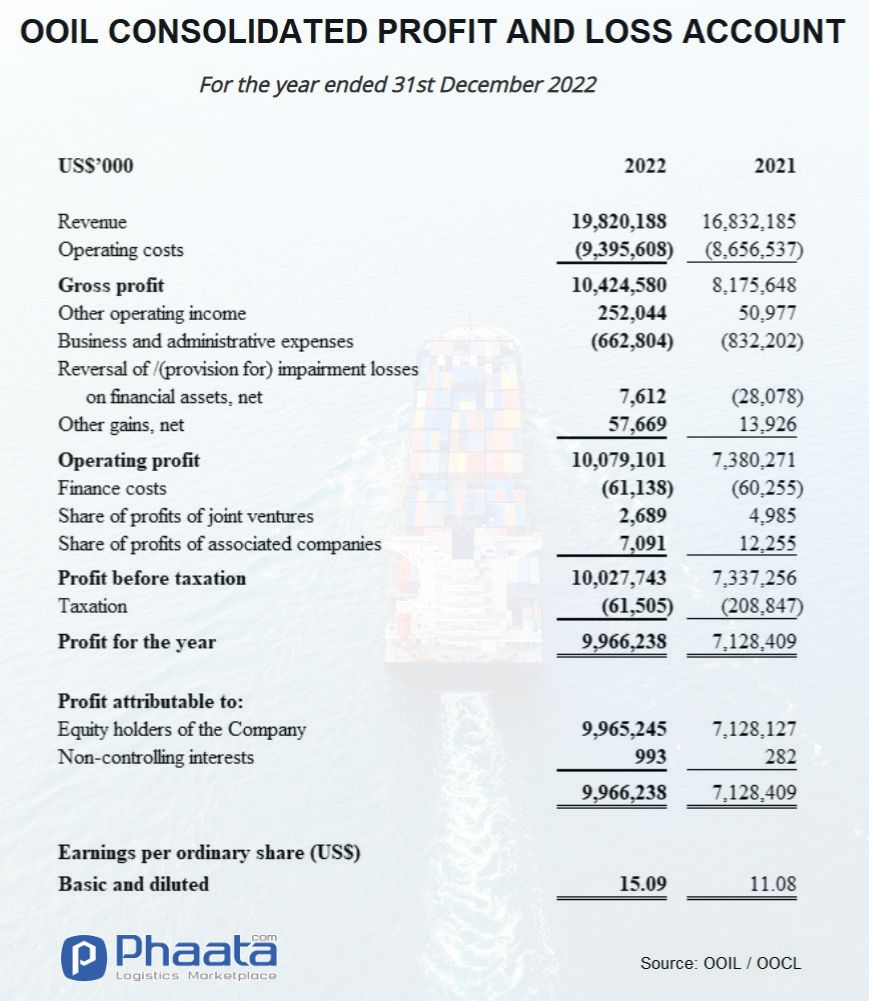
Orient Overseas (International) Limited (OOIL), the parent company of OOCL (Orient Overseas Container Line) announced its full-year business results for 2022, reporting revenue of $19.82 billion.
In addition, the company's profit before interest and tax (EBIT) increased to $10.089 billion, while profit before interest, tax and amortization (EBITDA) reached $10.95 billion.
In 2022, OOCL shipped 7.1 million TEUs, down about 450,000 TEUs from 2021.
Along with that, the profit allocated to shareholders for 2022 is $ 9,965 billion. Earnings per common share for 2022 were $15.09, compared with $11.08 for 2021.
“Partnering with members of the COSCO SHIPPING Group continues to deliver significant benefits in terms of efficiency, cost savings and our ability to serve our customers with global reach,” said OOIL. We continue to evaluate ways to strengthen and deepen our partnership, with a win-win approach that will benefit our customers, employees, business partners and shareholders."
According to the report, in 2023 and 2024, supply will increase further through the delivery of new vessels – which could slow any improvement in the container shipping market, even if the economic situation more favorable than expected.
Although there will be a few solutions to reduce the risk of increasing supply, such as through increasing the number of ships being unloaded, and more importantly from new environmental regulations. But these will take time to see an impact and therefore won't bring much of a balance until the first half of 2023 at the earliest. At the same time, in the first half of the year, it is possible that the shipping companies will see assess the expected level of demand and adjust their services accordingly.
As of December 31, 2022, the Group had a cash and bank balance of USD 11.214 billion against debt obligations of USD 712.2 million payable in 2023.
OOIL owns one of the world's leading international integrated container shipping enterprises with the trading name "OOCL". Having about 440 offices in about 90 countries/regions, the Group is one of the international enterprises. OOIL is listed on the Hong Kong Stock Exchange.
The Panama Canal will further reduce the maximum allowable draft for Neopanamax vessels from late August 2026 as water levels in Gatun Lake continue to decline.
In modern logistics, delays are no longer viewed as mere inconveniences. They can result in significant financial losses, including reduced revenue, dissatisfied customers, increased warehousing costs, disrupted production schedules, and damaged business reputation
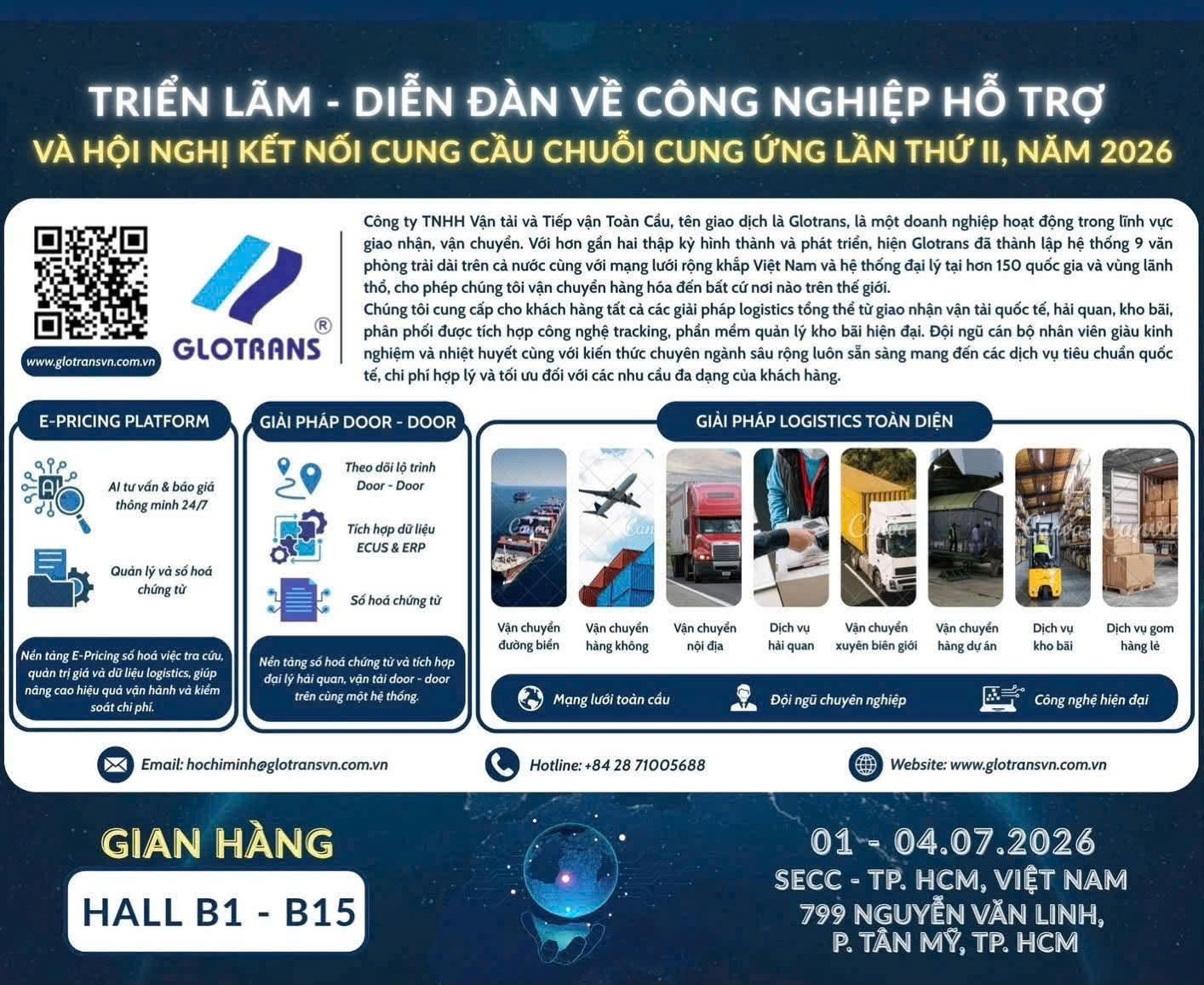
From July 1–4, 2026, Glotrans is participating in MTA Vietnam 2026, one of Vietnam's leading international exhibitions for precision engineering, manufacturing, and supporting industries, held at the Saigon Exhibition and Convention Center (SECC), Ho Chi Minh City.
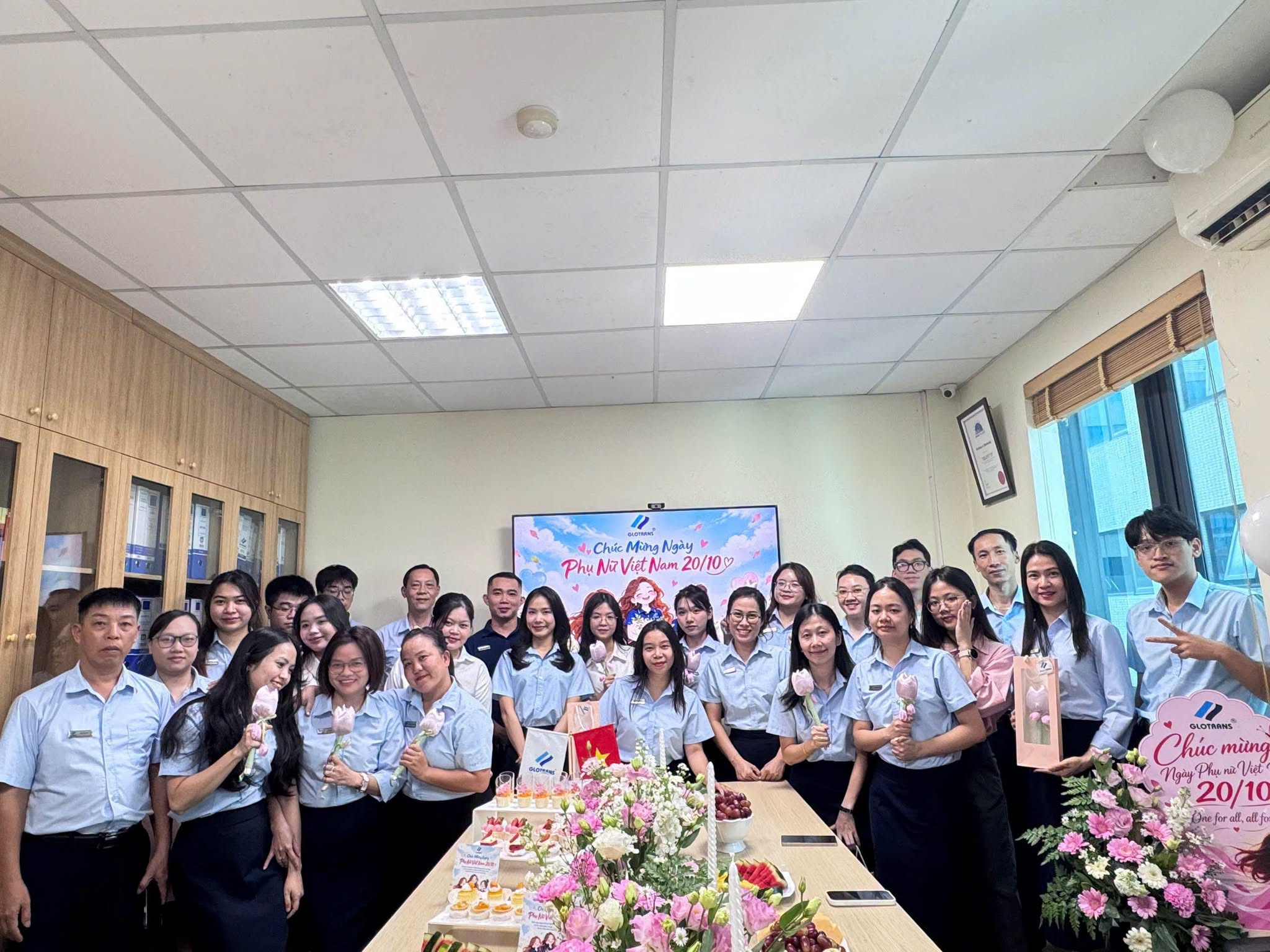
In celebration of Vietnamese Women’s Day on October 20, Glotrans branches across the entire system have organized meaningful activities, creating a warm, joyful atmosphere and many memorable moments for female employees.
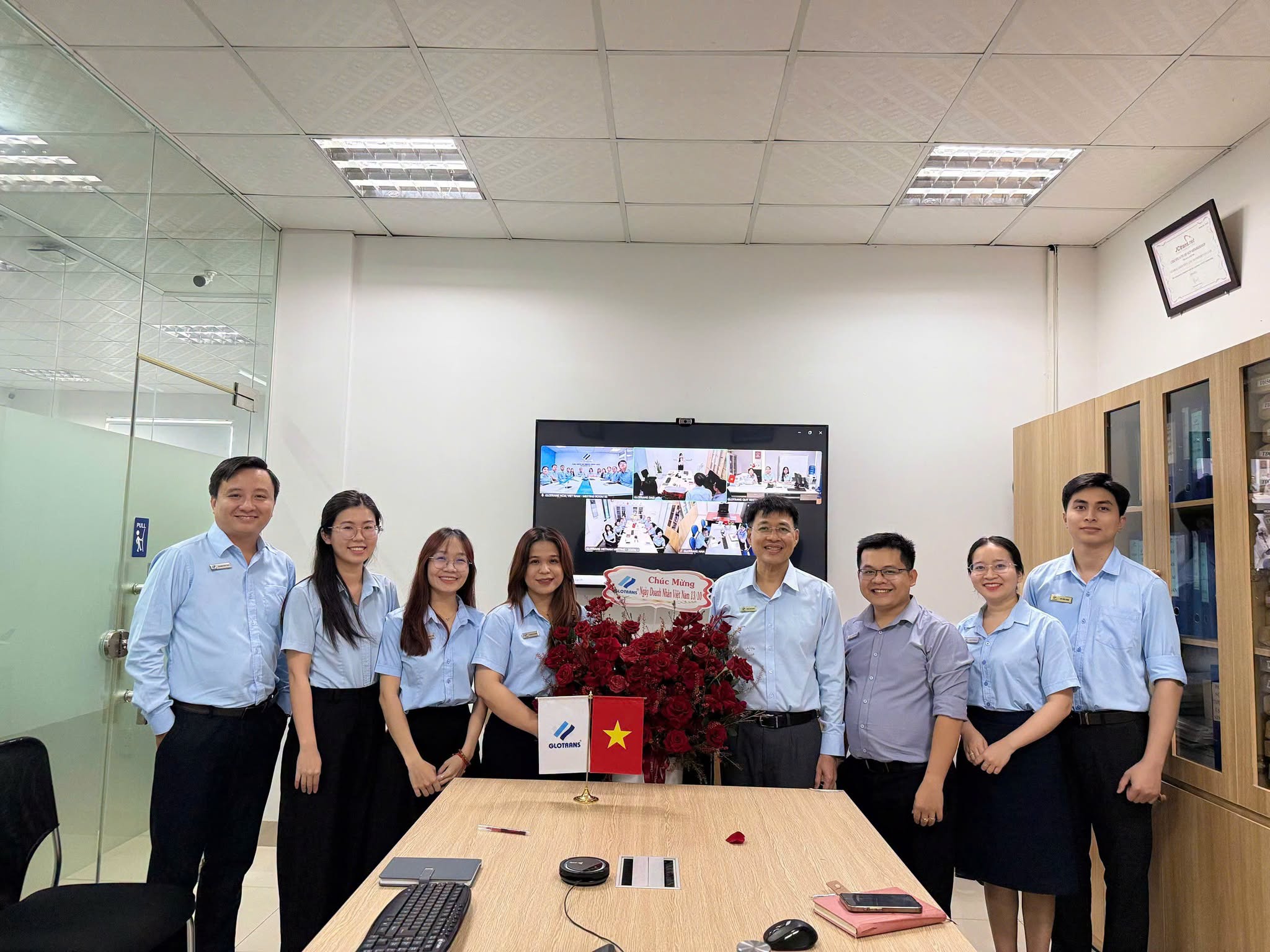
Vietnamese Entrepreneurs’ Day, celebrated on October 13, is an occasion to honor the contributions of the business community to the country’s economic development, while recognizing the resilience, innovative spirit, and ambition of those who lead businesses forward
The Mid-Autumn Festival is not only a time for family reunions, but also a special occasion to share love, send warm wishes, and enjoy meaningful moments with our beloved colleagues.
The shipment of food additives was transported in container No. FCIU3301688 (20’), under B/L MPRSMUM1806, on the voyage from Nhavasheva Port (India) to Dinh Vu Port (Hai Phong, Vietnam) on 29/04/2017.
Company T (Plaintiff – the Insured) entered into an insurance contract with Company B (Defendant – the Insurer). After the insured event occurred, the Insurer alleged that the Insured had violated its obligation to prevent and mitigate losses. The Arbitral Tribunal acknowledged that such an obligation exists but concluded that the Insured did not breach it.
Under the insurance contract, the premium was to be paid in three installments, and in all three, the insured party was late in payment. When a dispute arose, the insurer (Defendant) argued that the insurance contract had terminated before the insured event occurred due to the late premium payment and therefore refused to make an insurance payout. However, the Arbitral Tribunal held a contrary view.