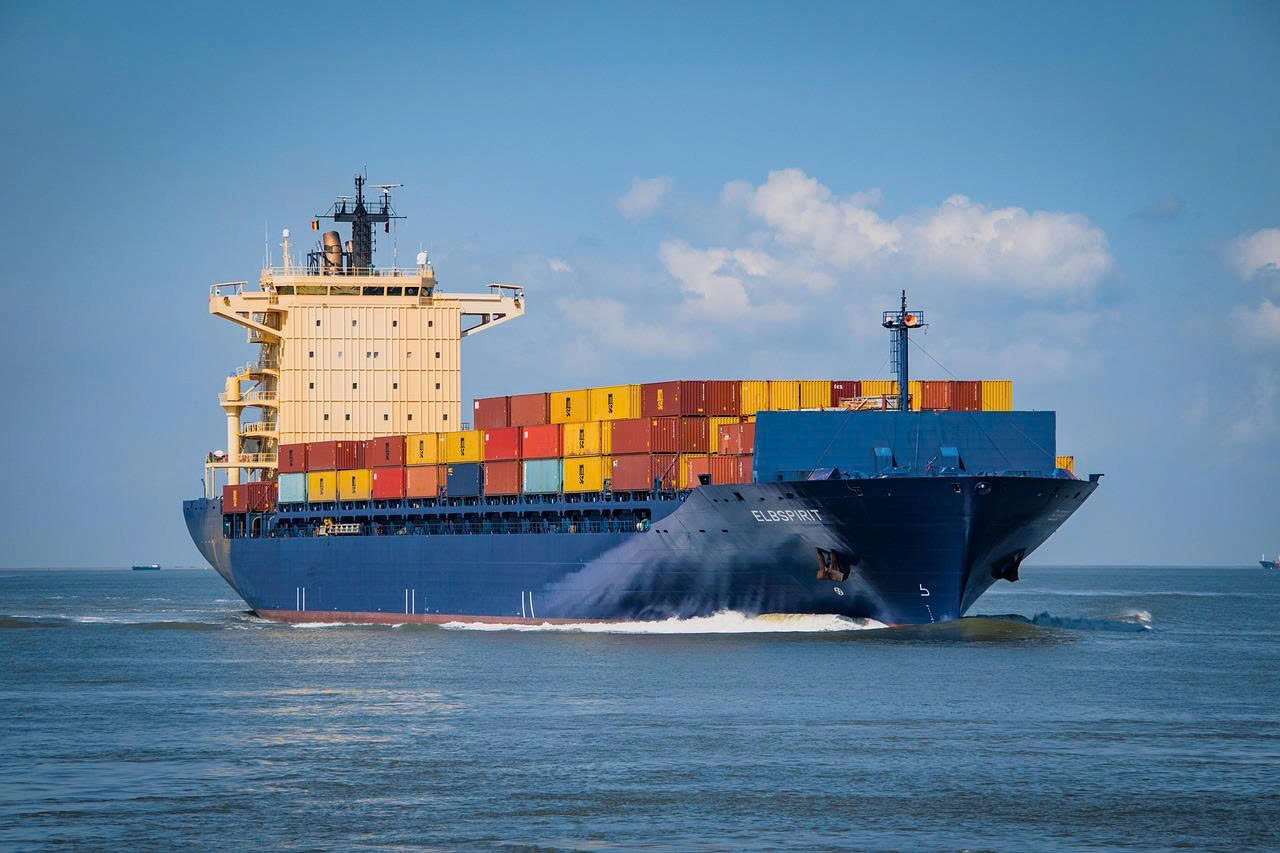
PANAMA CANAL TO FURTHER REDUCE DRAFT LIMIT FOR NEOPANAMAX VESSELS
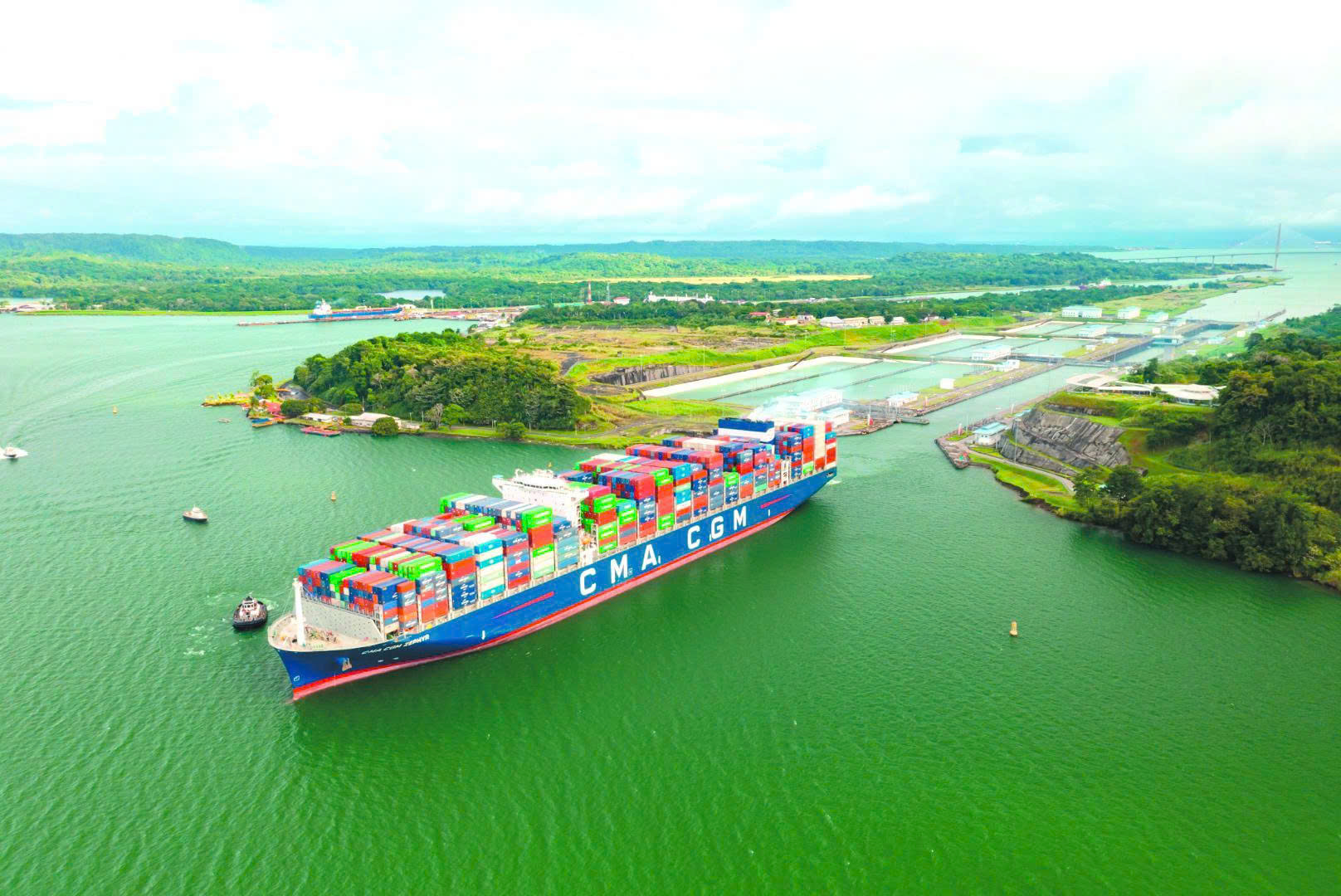
The Panama Canal will further reduce the maximum allowable draft for Neopanamax vessels from late August 2026 as water levels in Gatun Lake continue to decline.
On May 28, at the Ministry of Industry and Trade, Minister Nguyễn Hồng Diên and Minister of Agriculture and Rural Development Lê Minh Hoan co-chaired a meeting to discuss solutions to promote the production and export of rice and vegetables at the end of 2024. Representatives from the Ministry of Home Affairs, various associations, and related units attended the meeting.

Despite global fluctuations, Vietnam's rice and vegetable exports have seen strong growth due to timely government directives and coordination between ministries. In the first four months of 2024, rice exports increased by 9.5% in volume and 33.6% in value; vegetable exports rose by 38.1%.
The Ministry of Industry and Trade and other ministries have implemented several solutions such as negotiating tariff reductions, raising awareness about FTAs, promoting trade, and supporting businesses in leveraging FTA opportunities to expand export markets. Vietnamese trade missions abroad have also played a crucial role in providing market information and policy updates.
Delegates discussed and identified challenges in the production and export of rice and vegetables, proposing solutions and determining market needs. Minister Lê Minh Hoan emphasized the importance of collaboration among businesses and the role of industry associations.
Global demand for rice and vegetables is expected to increase due to supply chain disruptions and higher product quality standards. Industry associations need to educate and support businesses in accessing information and utilizing FTA benefits while guiding them to restructure production and management toward green and clean practices.
The Ministry of Agriculture and Rural Development will continue to restructure the rice, grain, and vegetable sectors, developing production standards and product quality. The Ministry of Industry and Trade will support businesses in trade promotion, brand development, market access negotiations, and addressing technical barriers. The Ministry of Home Affairs will guide associations to improve their charters and operational regulations.
Ministries need to enhance supervision, production monitoring, and violation handling to protect national brands and ensure food security. The Ministry of Industry and Trade will continue administrative reforms, modernize the issuance of certificates of origin, and combat unreasonable technical trade barriers.
The meeting unified multiple solutions to promote rice and vegetable exports, ensuring sustainable production and export, and enhancing the competitiveness and value of Vietnamese products in the global market.
According to the Ministry of Industry and Trade
The Panama Canal will further reduce the maximum allowable draft for Neopanamax vessels from late August 2026 as water levels in Gatun Lake continue to decline.
In modern logistics, delays are no longer viewed as mere inconveniences. They can result in significant financial losses, including reduced revenue, dissatisfied customers, increased warehousing costs, disrupted production schedules, and damaged business reputation
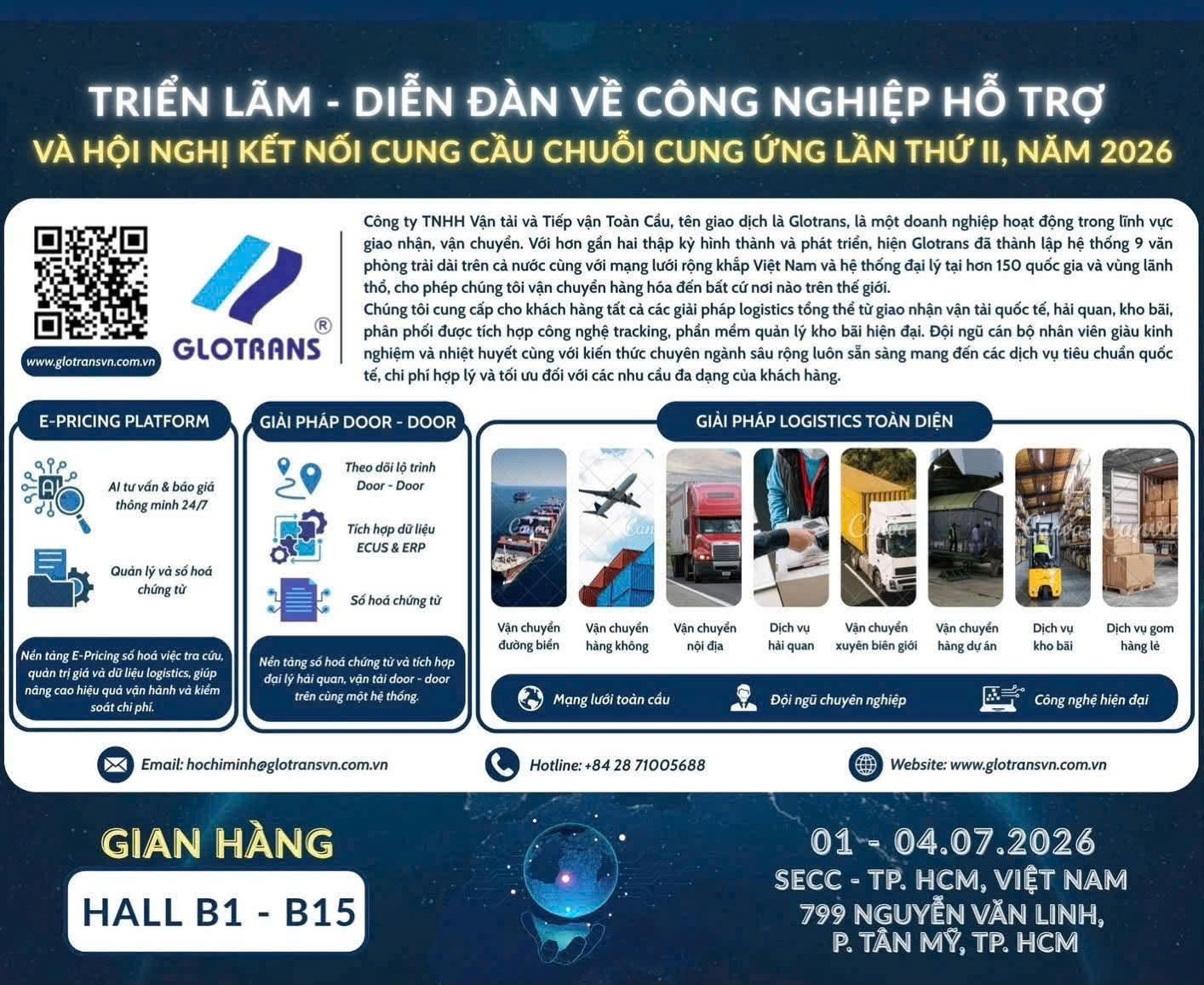
From July 1–4, 2026, Glotrans is participating in MTA Vietnam 2026, one of Vietnam's leading international exhibitions for precision engineering, manufacturing, and supporting industries, held at the Saigon Exhibition and Convention Center (SECC), Ho Chi Minh City.
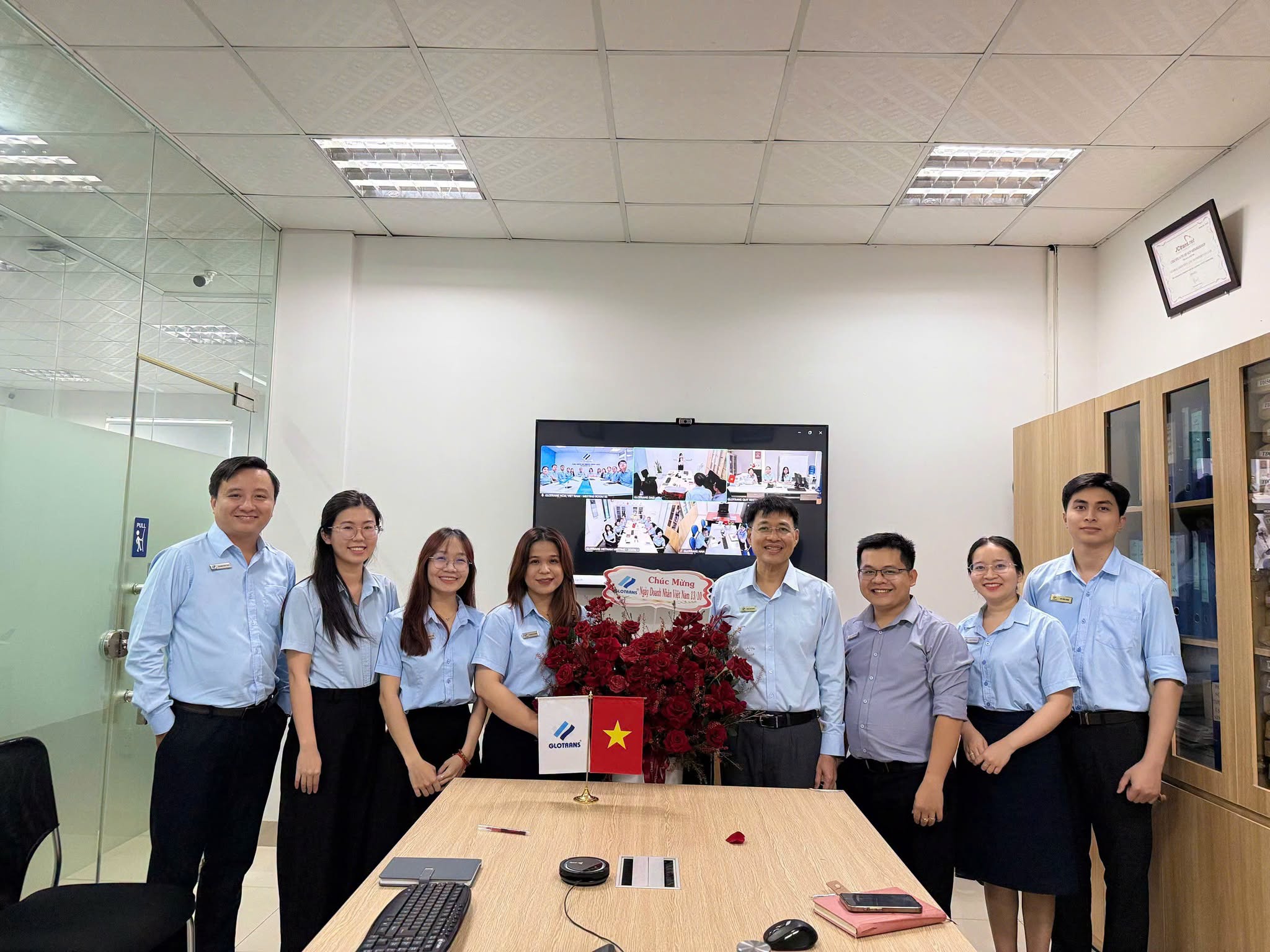
Vietnamese Entrepreneurs’ Day, celebrated on October 13, is an occasion to honor the contributions of the business community to the country’s economic development, while recognizing the resilience, innovative spirit, and ambition of those who lead businesses forward
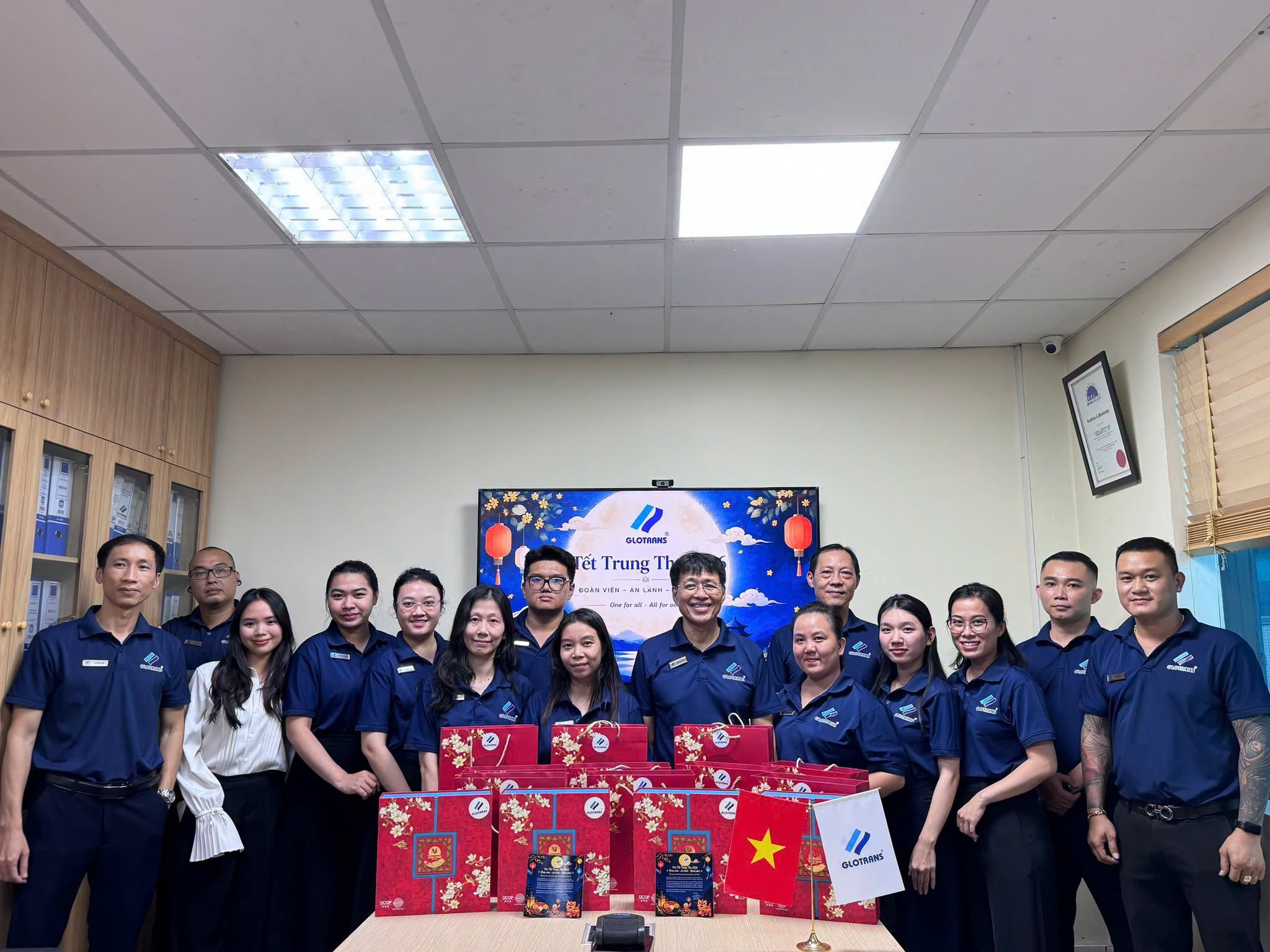
The Mid-Autumn Festival is not only a time for family reunions, but also a special occasion to share love, send warm wishes, and enjoy meaningful moments with our beloved colleagues.
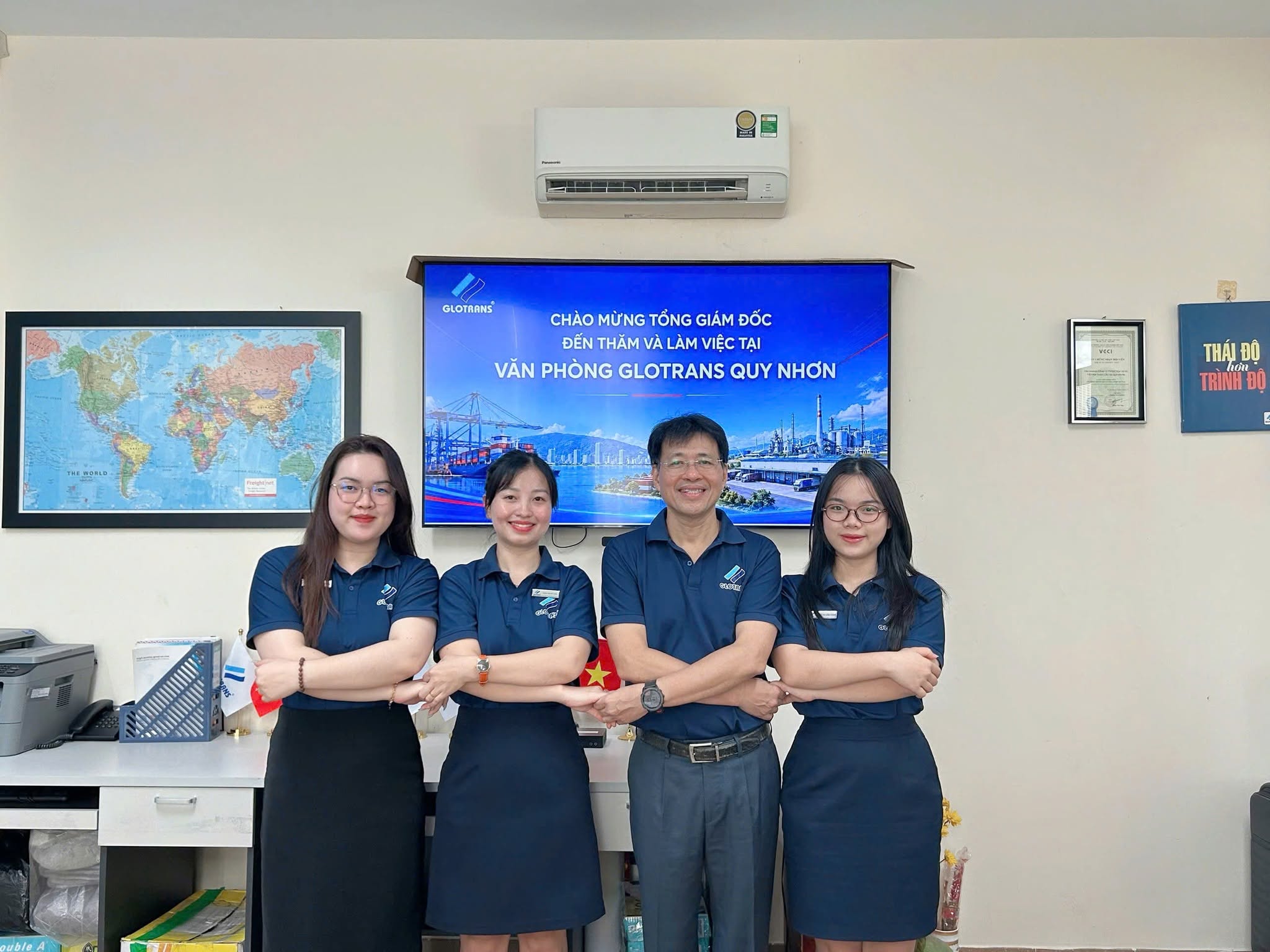
Over the past few days, GLOTRANS’s General Director has been traveling between offices, from Da Nang to Quy Nhon, to personally attend meetings reviewing the business performance of the first six months of the year, assess each office’s operations, and work with the teams to set goals for the next stage.
The shipment of food additives was transported in container No. FCIU3301688 (20’), under B/L MPRSMUM1806, on the voyage from Nhavasheva Port (India) to Dinh Vu Port (Hai Phong, Vietnam) on 29/04/2017.
Company T (Plaintiff – the Insured) entered into an insurance contract with Company B (Defendant – the Insurer). After the insured event occurred, the Insurer alleged that the Insured had violated its obligation to prevent and mitigate losses. The Arbitral Tribunal acknowledged that such an obligation exists but concluded that the Insured did not breach it.
Under the insurance contract, the premium was to be paid in three installments, and in all three, the insured party was late in payment. When a dispute arose, the insurer (Defendant) argued that the insurance contract had terminated before the insured event occurred due to the late premium payment and therefore refused to make an insurance payout. However, the Arbitral Tribunal held a contrary view.