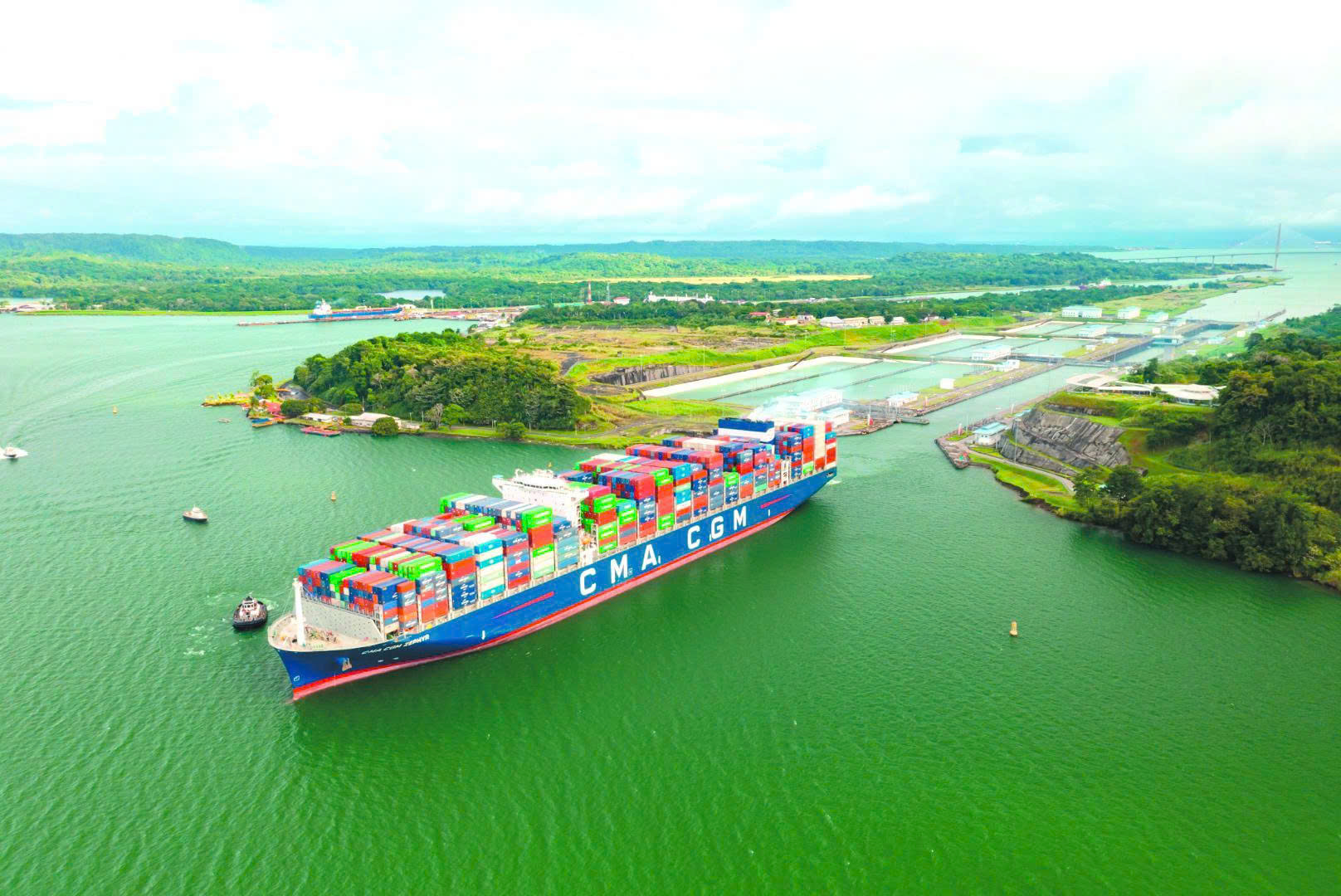
PANAMA CANAL TO FURTHER REDUCE DRAFT LIMIT FOR NEOPANAMAX VESSELS
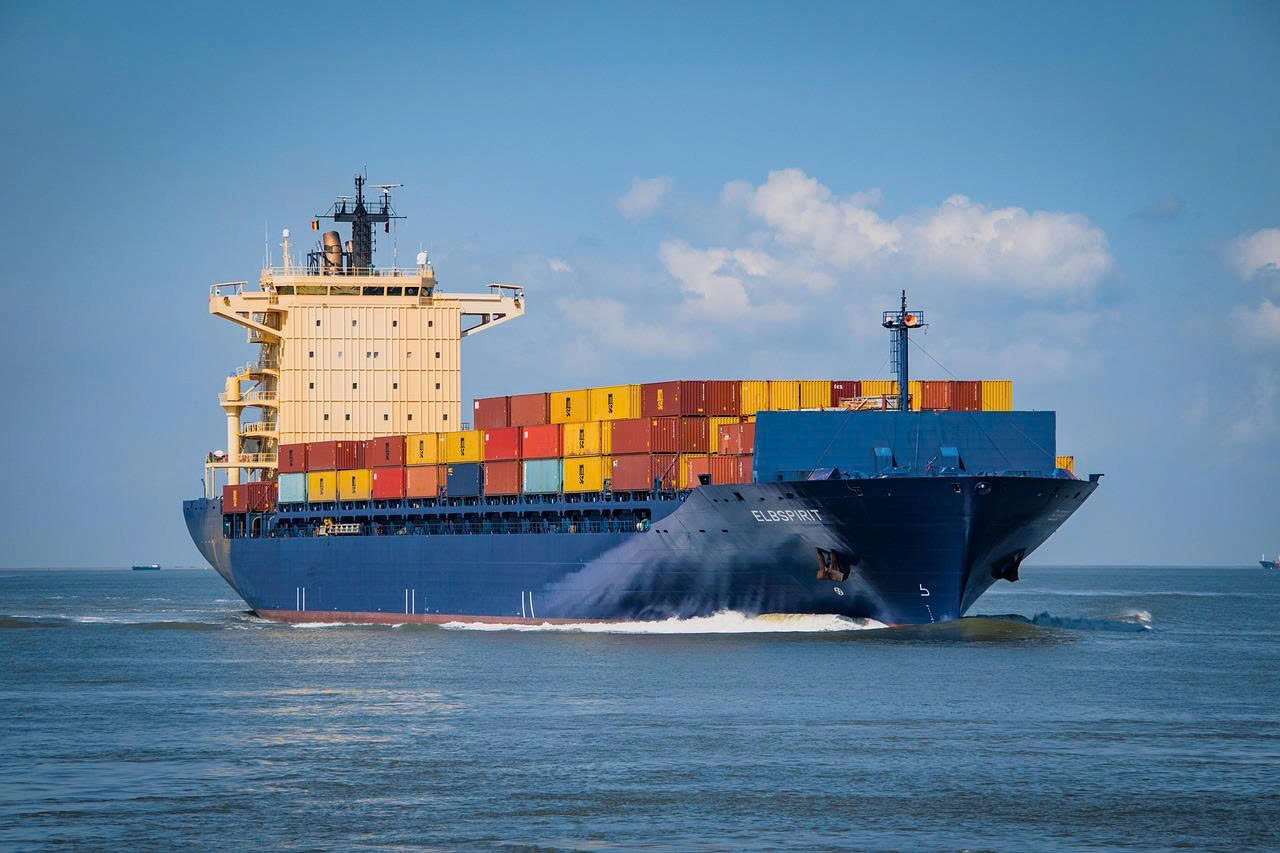
The Panama Canal will further reduce the maximum allowable draft for Neopanamax vessels from late August 2026 as water levels in Gatun Lake continue to decline.
Recently, Glotrans Vietnam once again affirmed its capability in the field of Project Cargo transportation by successfully completing a special shipment from Shanghai, China to Cat Lai Port, Ho Chi Minh City.
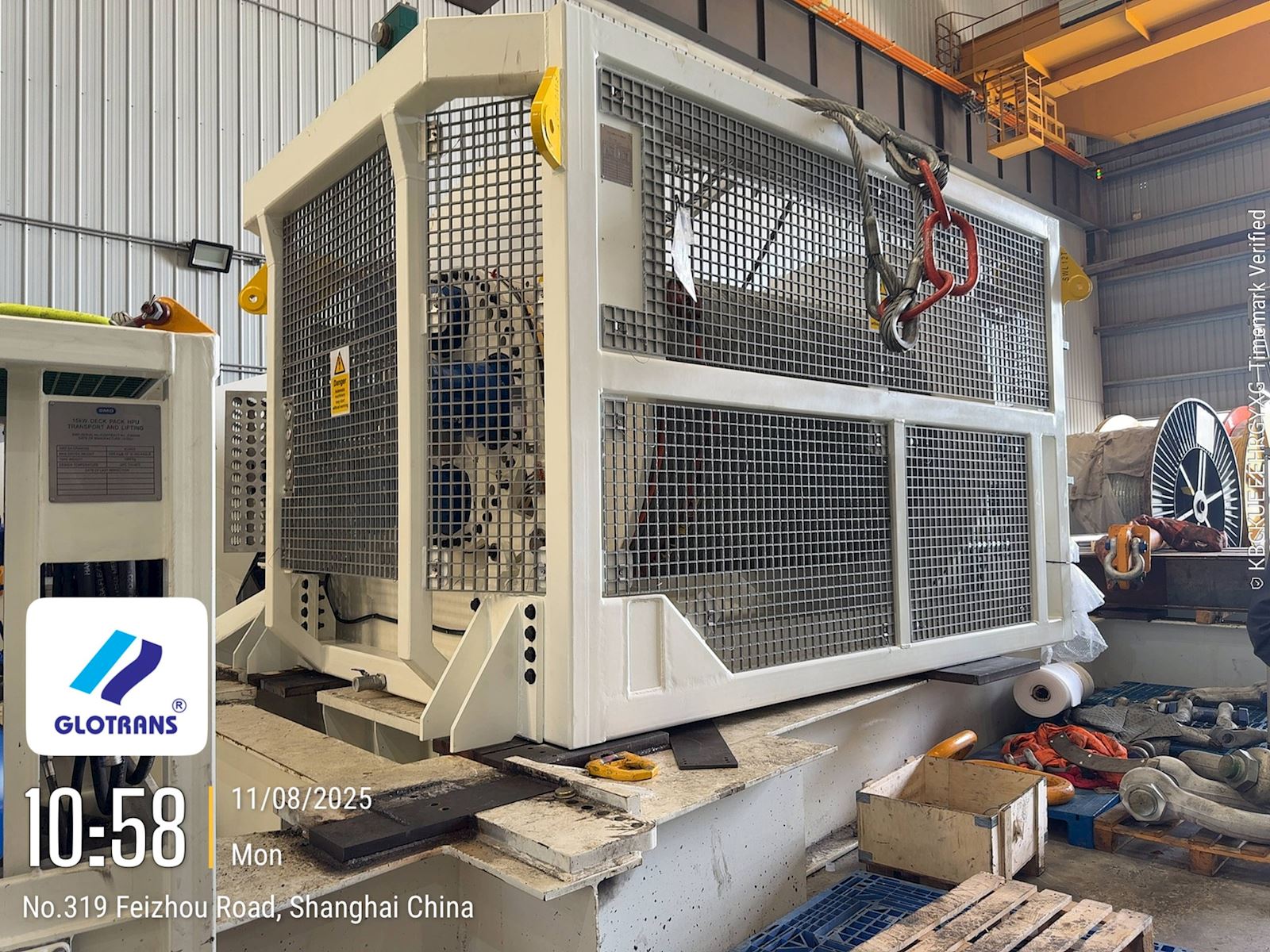 With oversized and heavy cargo that required high technical precision, the Glotrans team worked closely with both domestic and international partners to ensure every stage — from planning the transportation scheme, loading and unloading, packaging, vessel schedule monitoring, to customs declaration and final delivery — was carried out safely, on schedule, and with cost efficiency for the client.
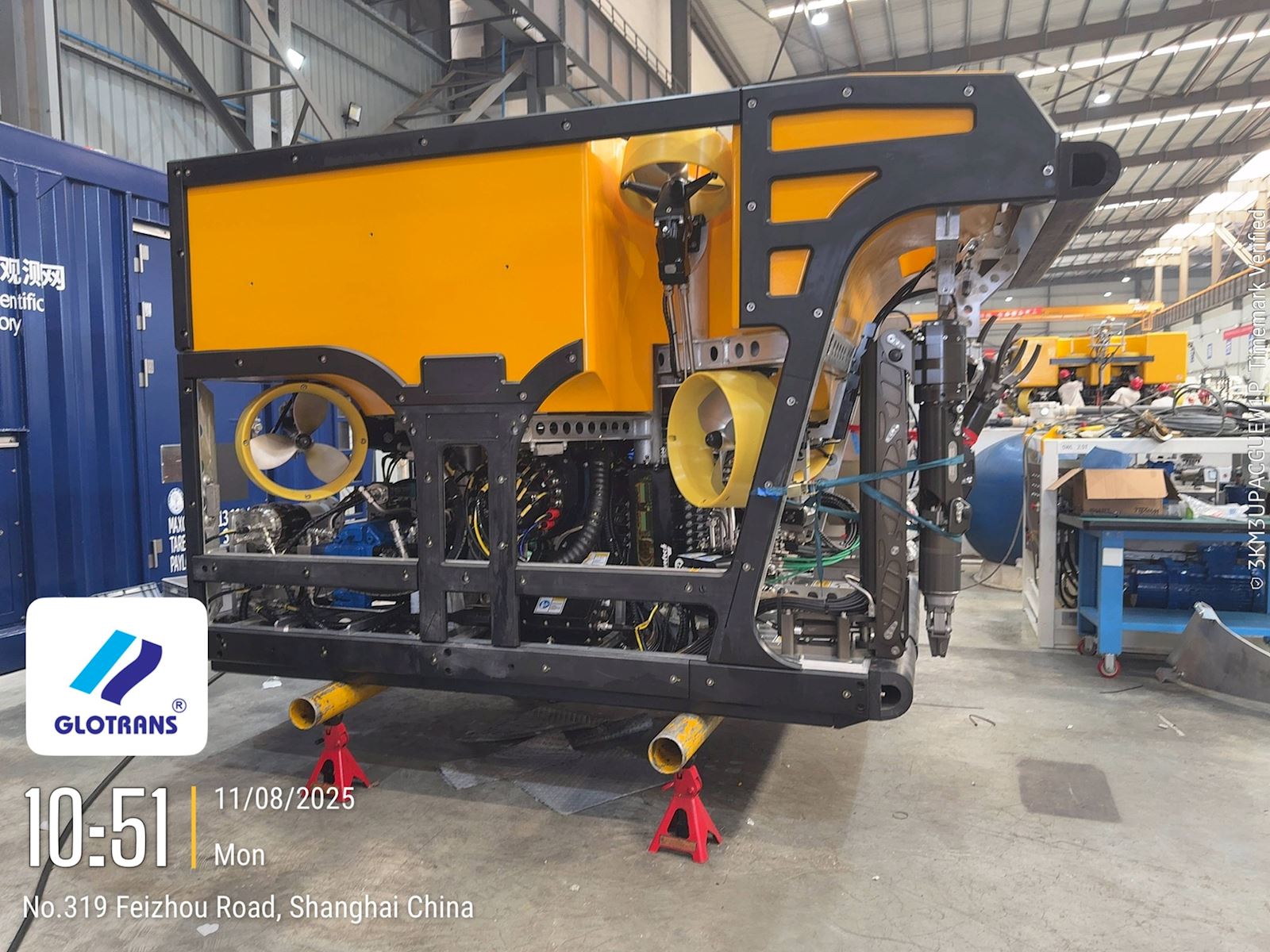
With oversized and heavy cargo that required high technical precision, the Glotrans team worked closely with both domestic and international partners to ensure every stage — from planning the transportation scheme, loading and unloading, packaging, vessel schedule monitoring, to customs declaration and final delivery — was carried out safely, on schedule, and with cost efficiency for the client.
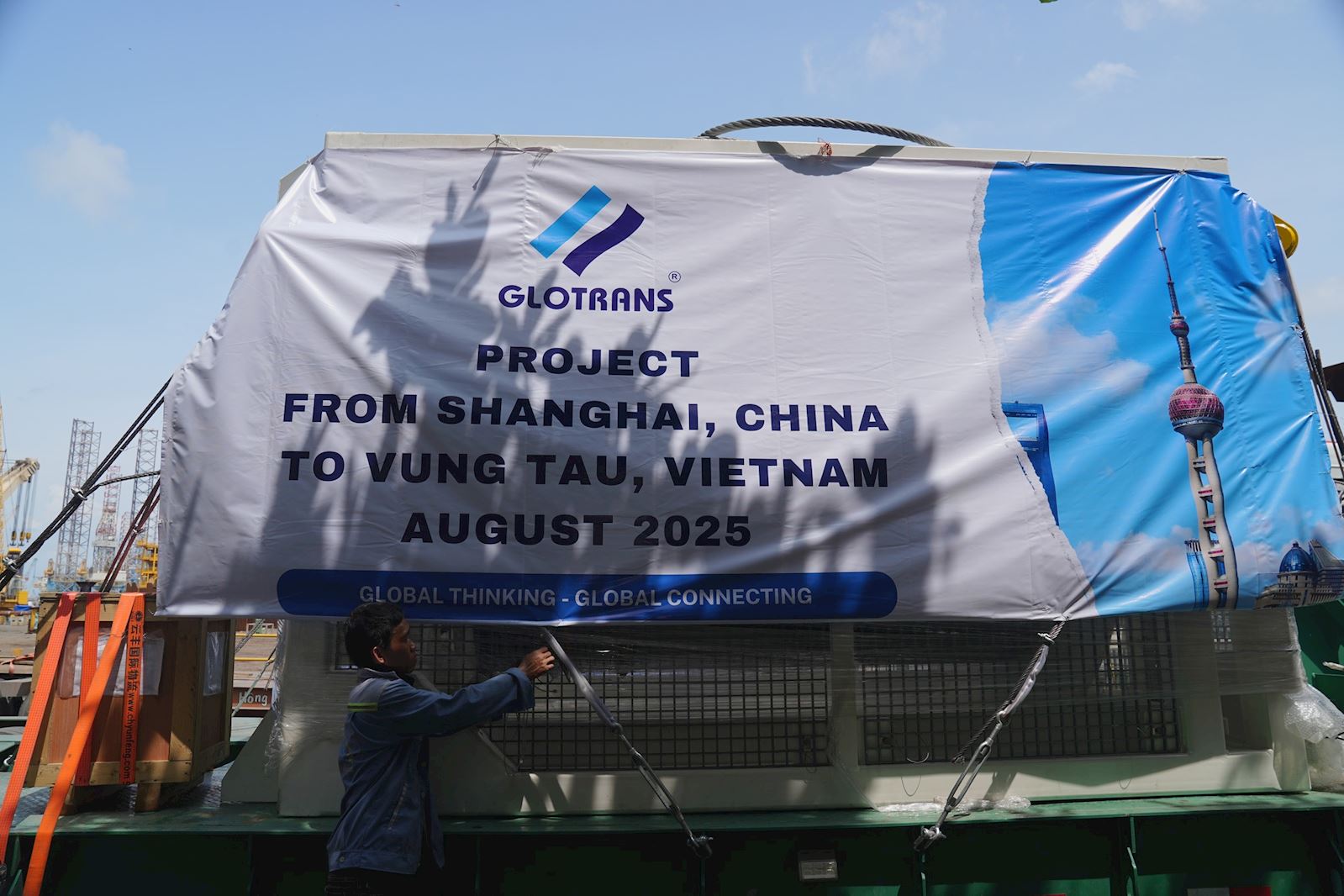
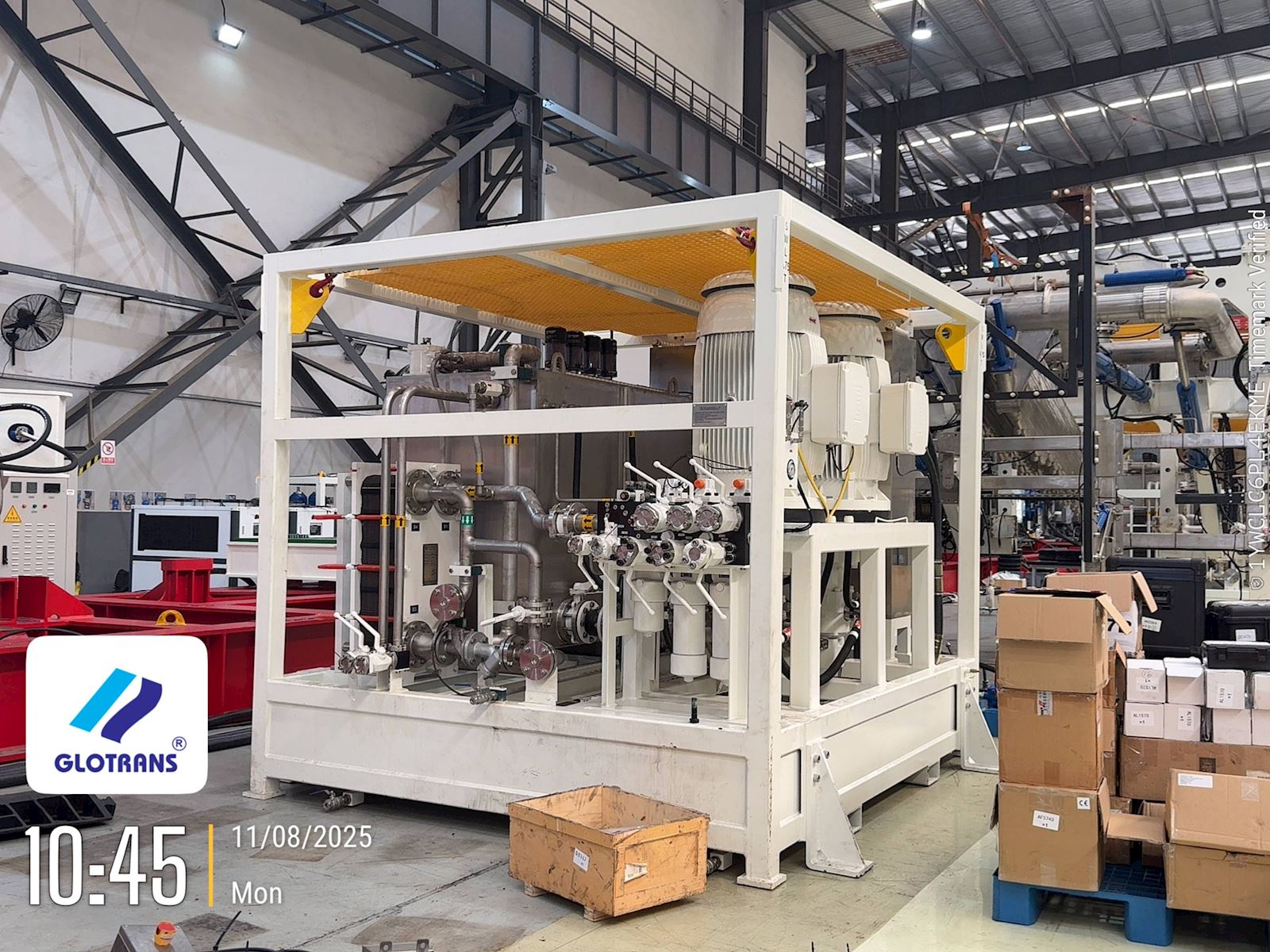
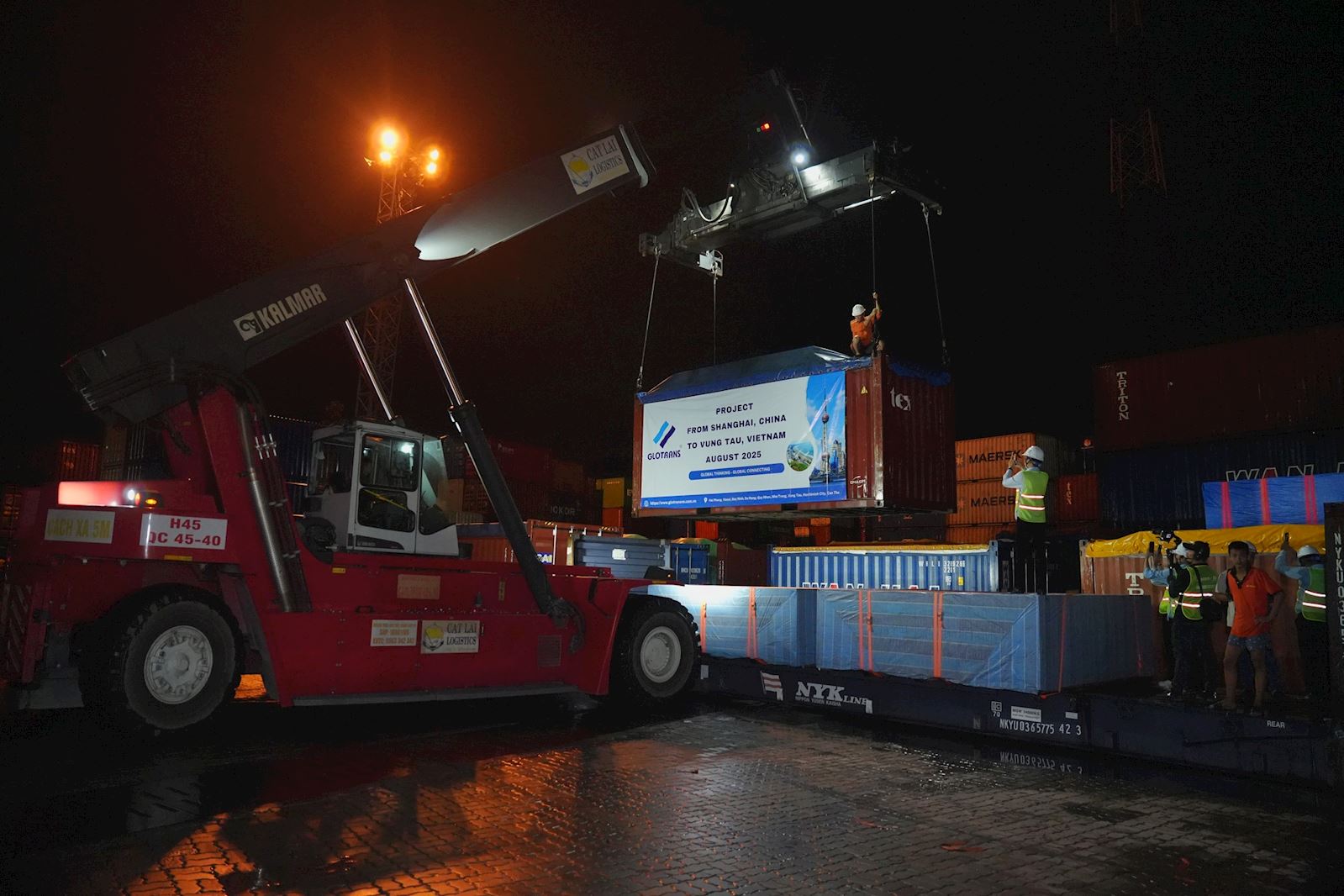
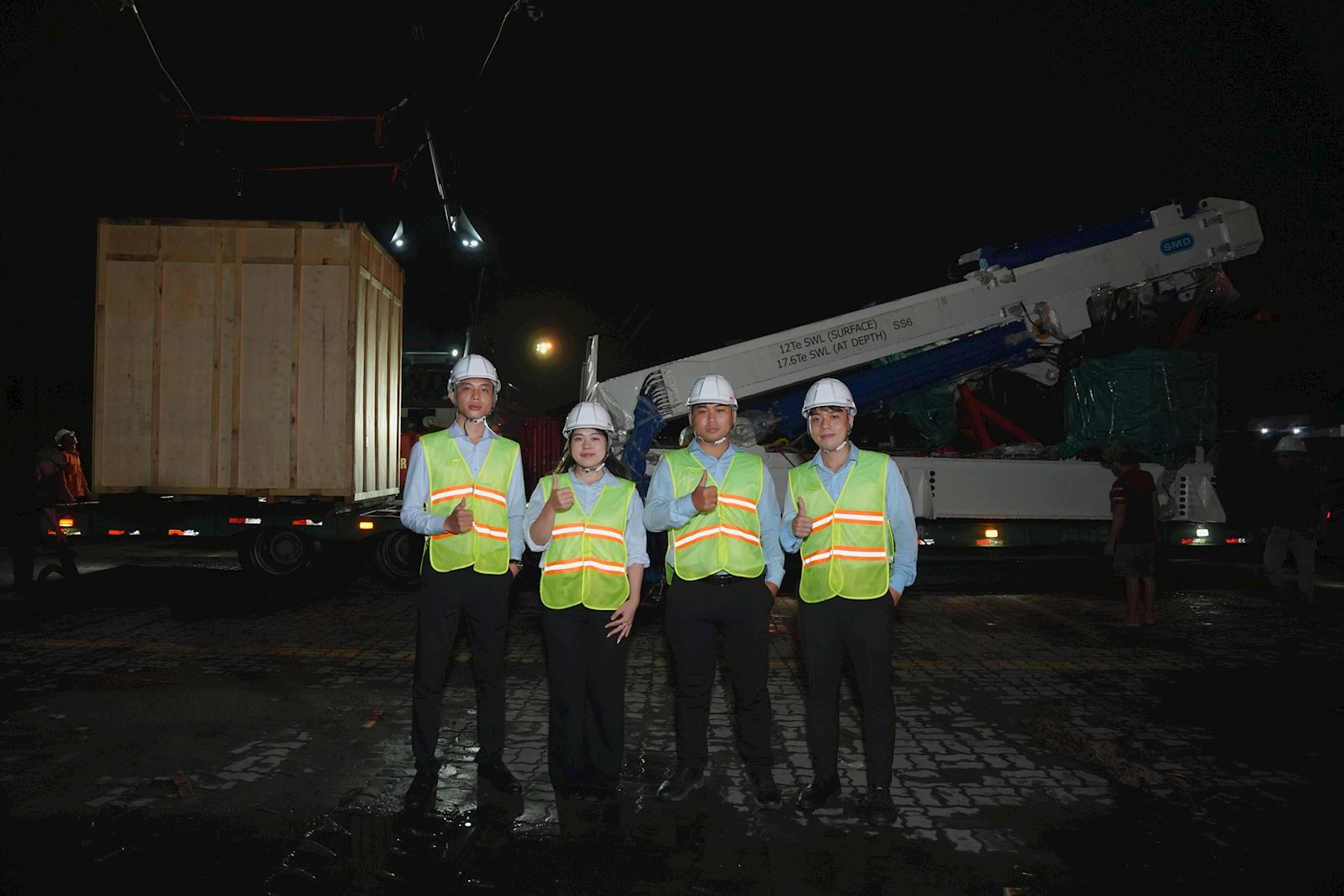
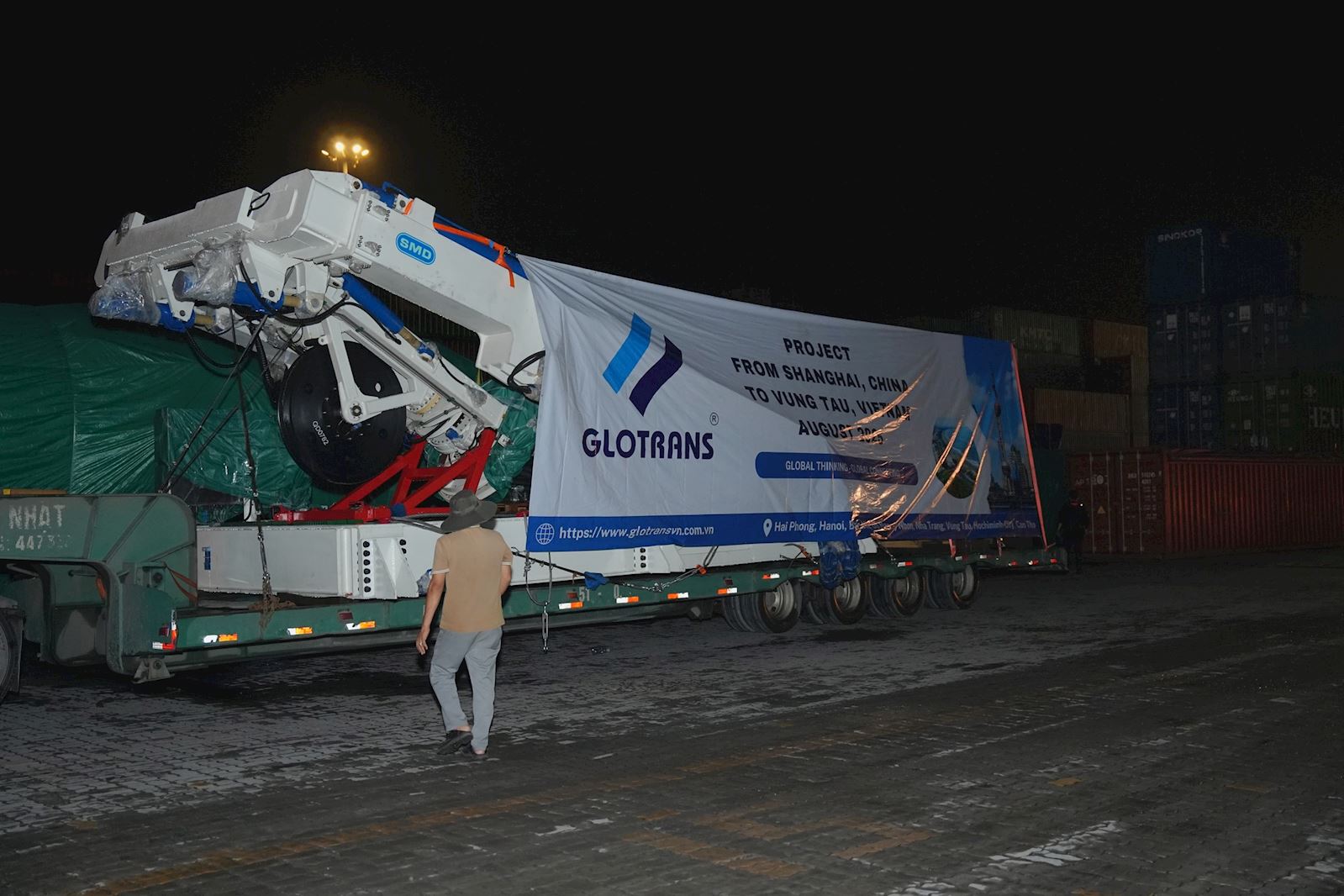
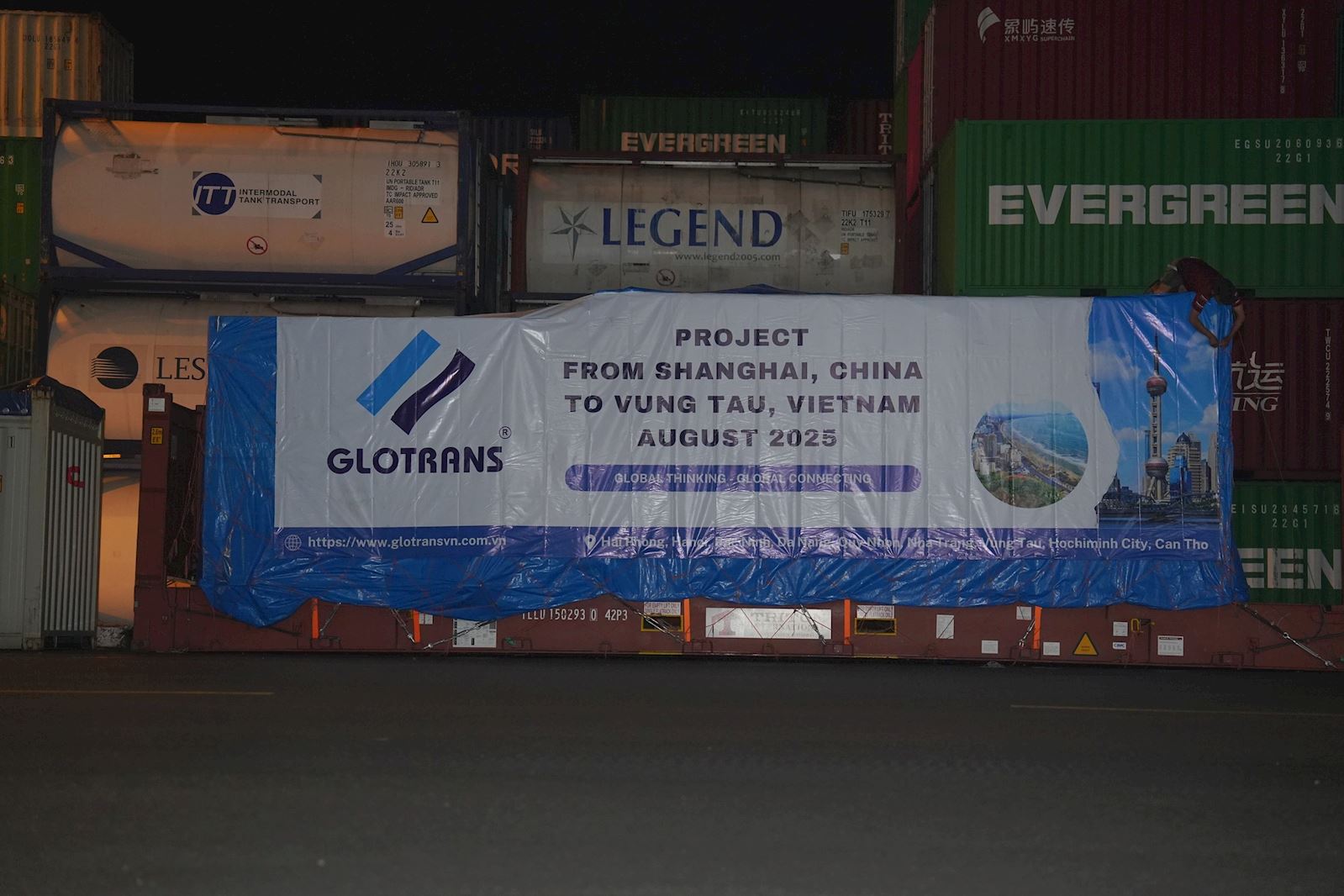
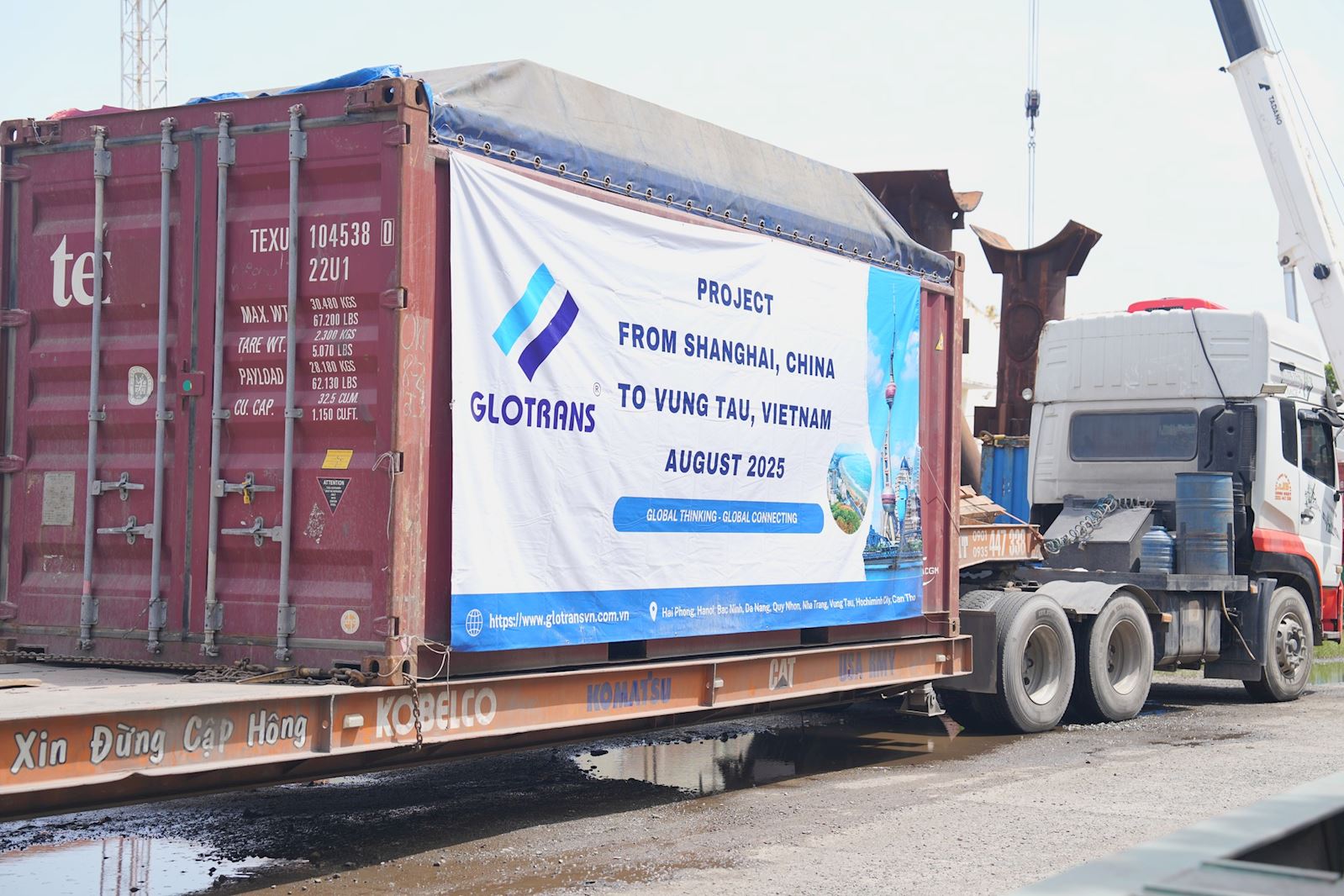
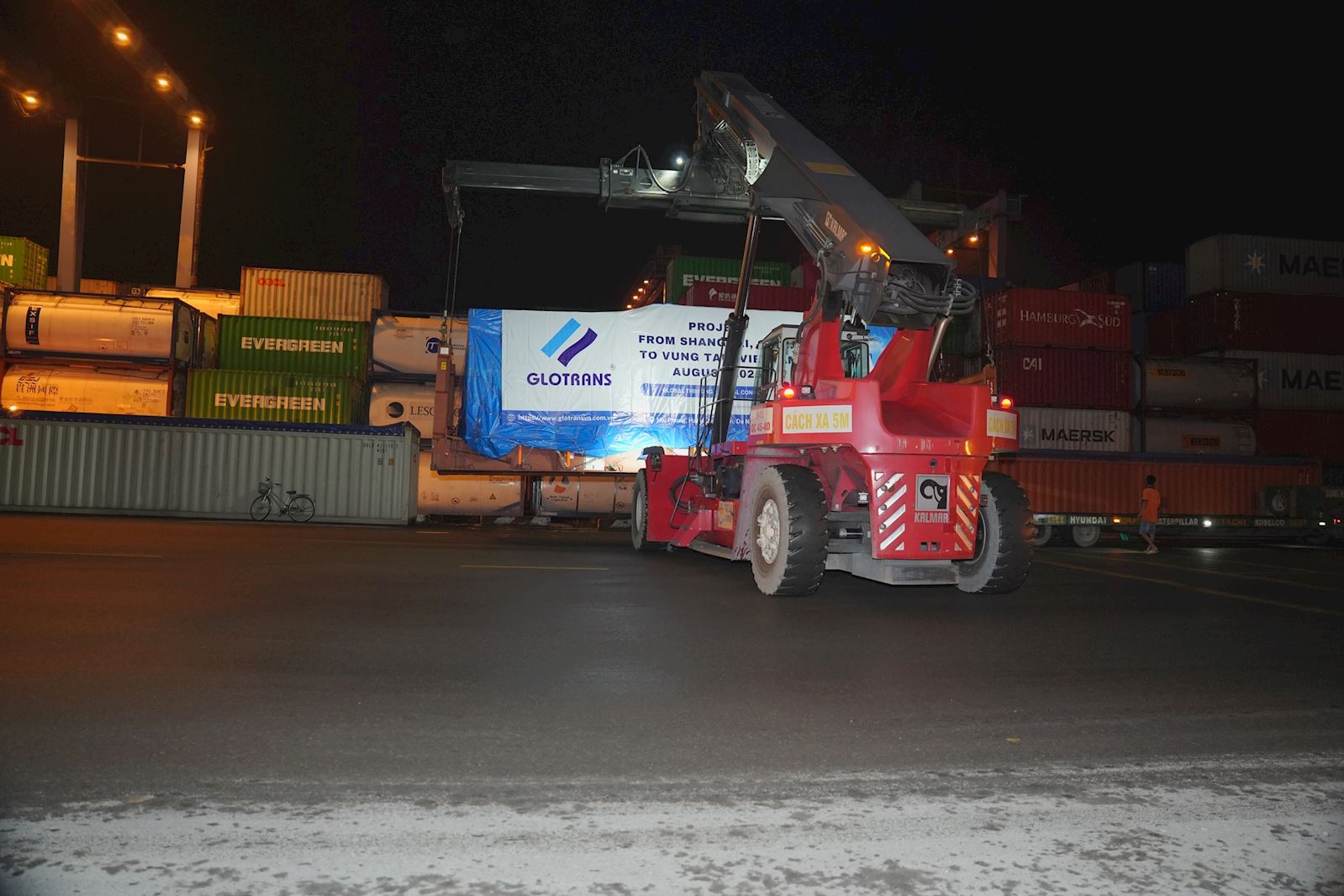 🔹 Glotrans – Global Thinking, Global Connecting.
The Panama Canal will further reduce the maximum allowable draft for Neopanamax vessels from late August 2026 as water levels in Gatun Lake continue to decline.
In modern logistics, delays are no longer viewed as mere inconveniences. They can result in significant financial losses, including reduced revenue, dissatisfied customers, increased warehousing costs, disrupted production schedules, and damaged business reputation
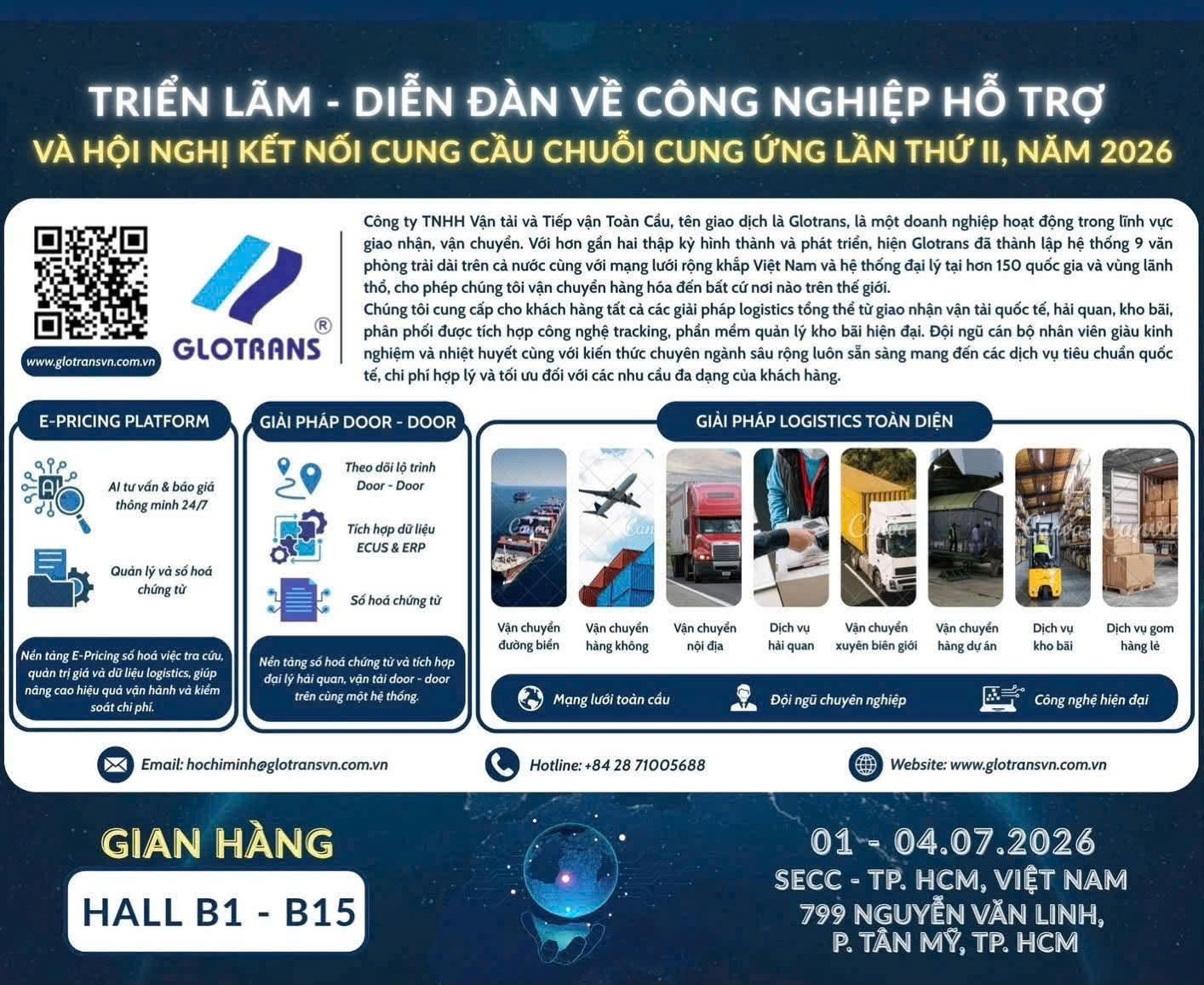
From July 1–4, 2026, Glotrans is participating in MTA Vietnam 2026, one of Vietnam's leading international exhibitions for precision engineering, manufacturing, and supporting industries, held at the Saigon Exhibition and Convention Center (SECC), Ho Chi Minh City.
On August 1, 2026, Glotrans Da Nang had the honor of participating in the 2nd Da Nang Business Connecting Day – 2026, organized by the Da Nang Young Entrepreneurs Association at Muong Thanh Grand Quang Nam Hotel
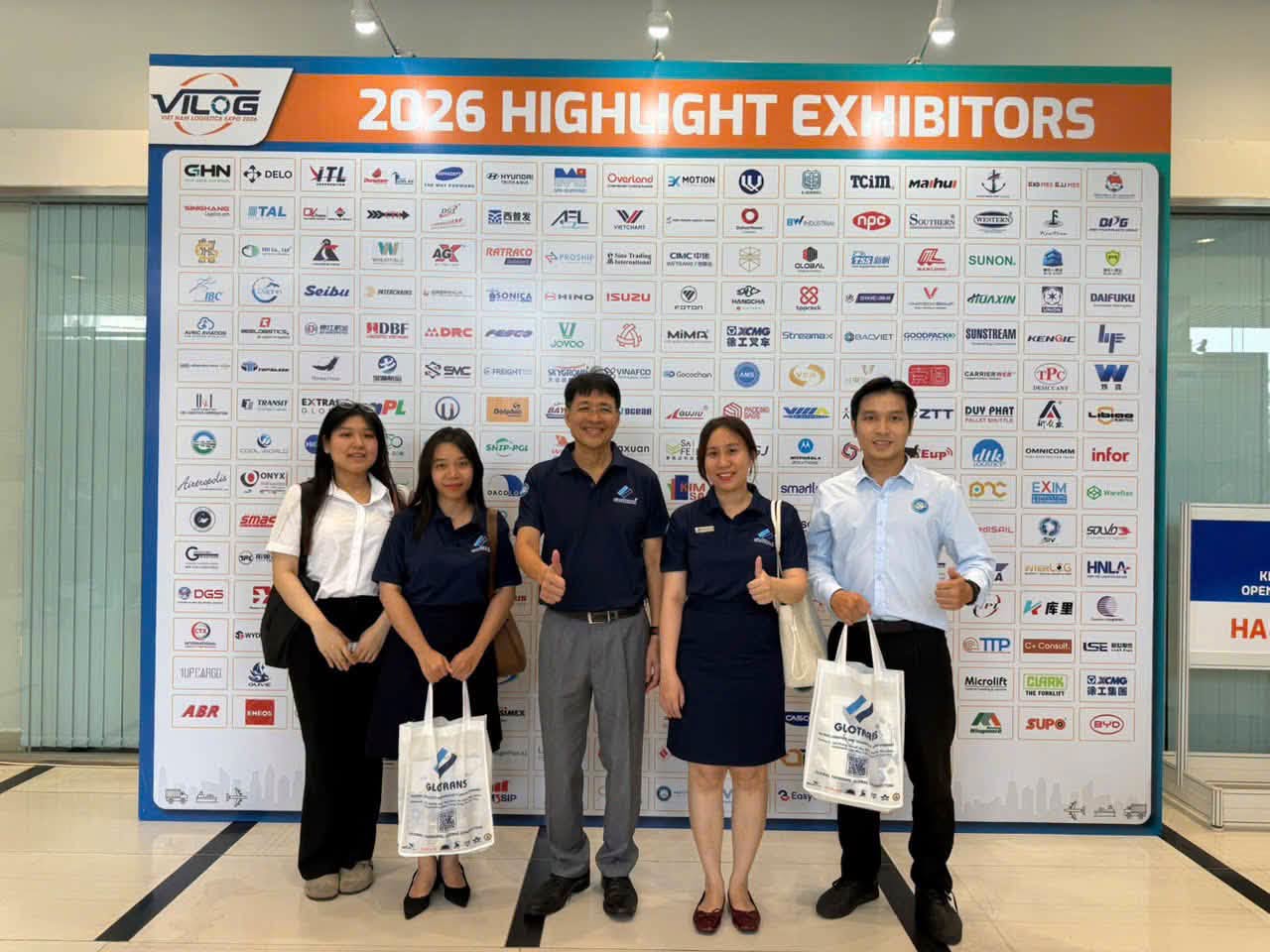
Recently, Glotrans participated in the Vietnam International Logistics Exhibition (VILOG 2026), held at the Saigon Exhibition and Convention Center (SECC) in Ho Chi Minh City.
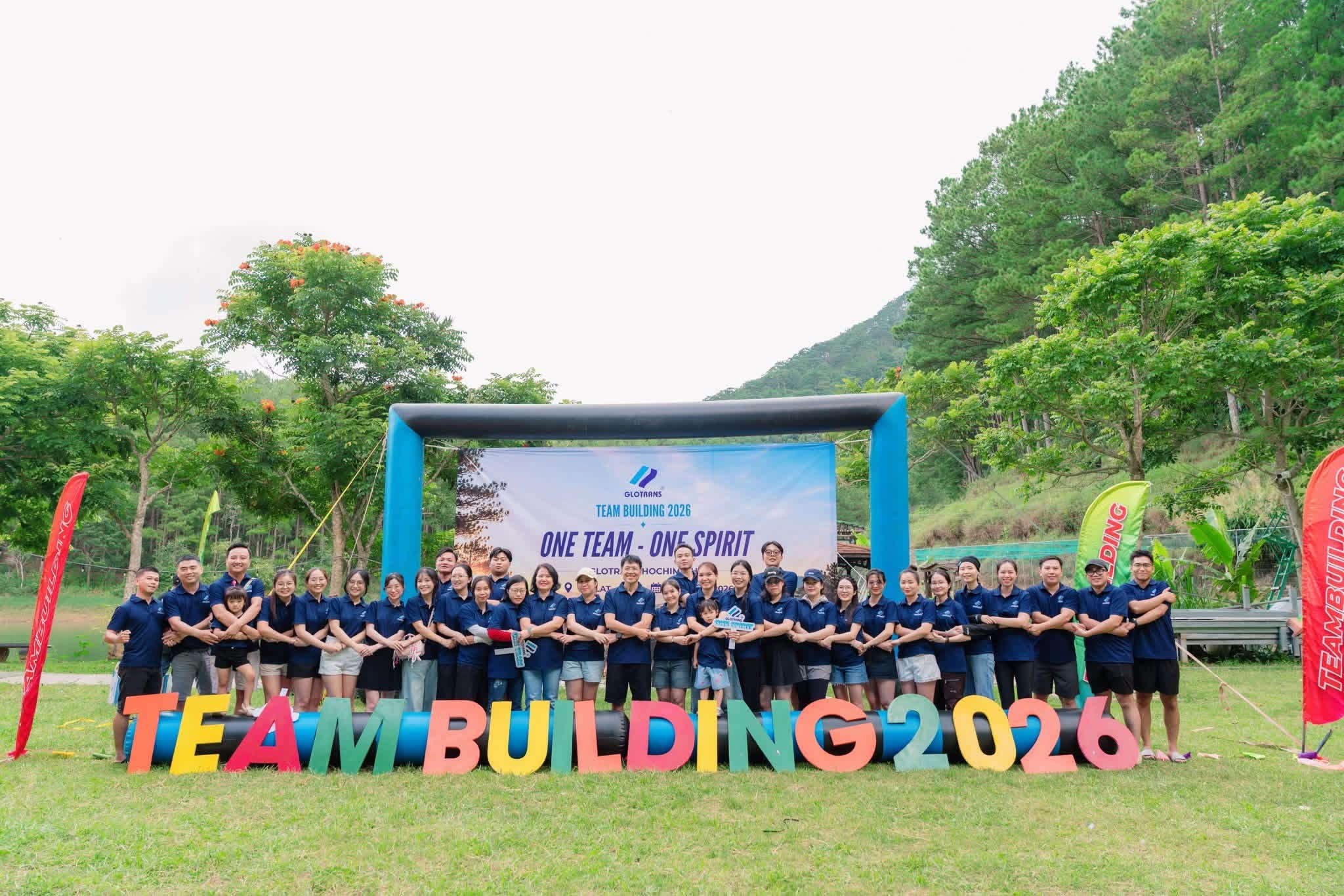
With nearly two decades of establishment and development, Glotrans has always believed that people are the foundation of a company’s sustainable strength. Therefore, team bonding journeys are valuable opportunities for employees to connect, share, and recharge for the road ahead.
The shipment of food additives was transported in container No. FCIU3301688 (20’), under B/L MPRSMUM1806, on the voyage from Nhavasheva Port (India) to Dinh Vu Port (Hai Phong, Vietnam) on 29/04/2017.
Company T (Plaintiff – the Insured) entered into an insurance contract with Company B (Defendant – the Insurer). After the insured event occurred, the Insurer alleged that the Insured had violated its obligation to prevent and mitigate losses. The Arbitral Tribunal acknowledged that such an obligation exists but concluded that the Insured did not breach it.
Under the insurance contract, the premium was to be paid in three installments, and in all three, the insured party was late in payment. When a dispute arose, the insurer (Defendant) argued that the insurance contract had terminated before the insured event occurred due to the late premium payment and therefore refused to make an insurance payout. However, the Arbitral Tribunal held a contrary view.