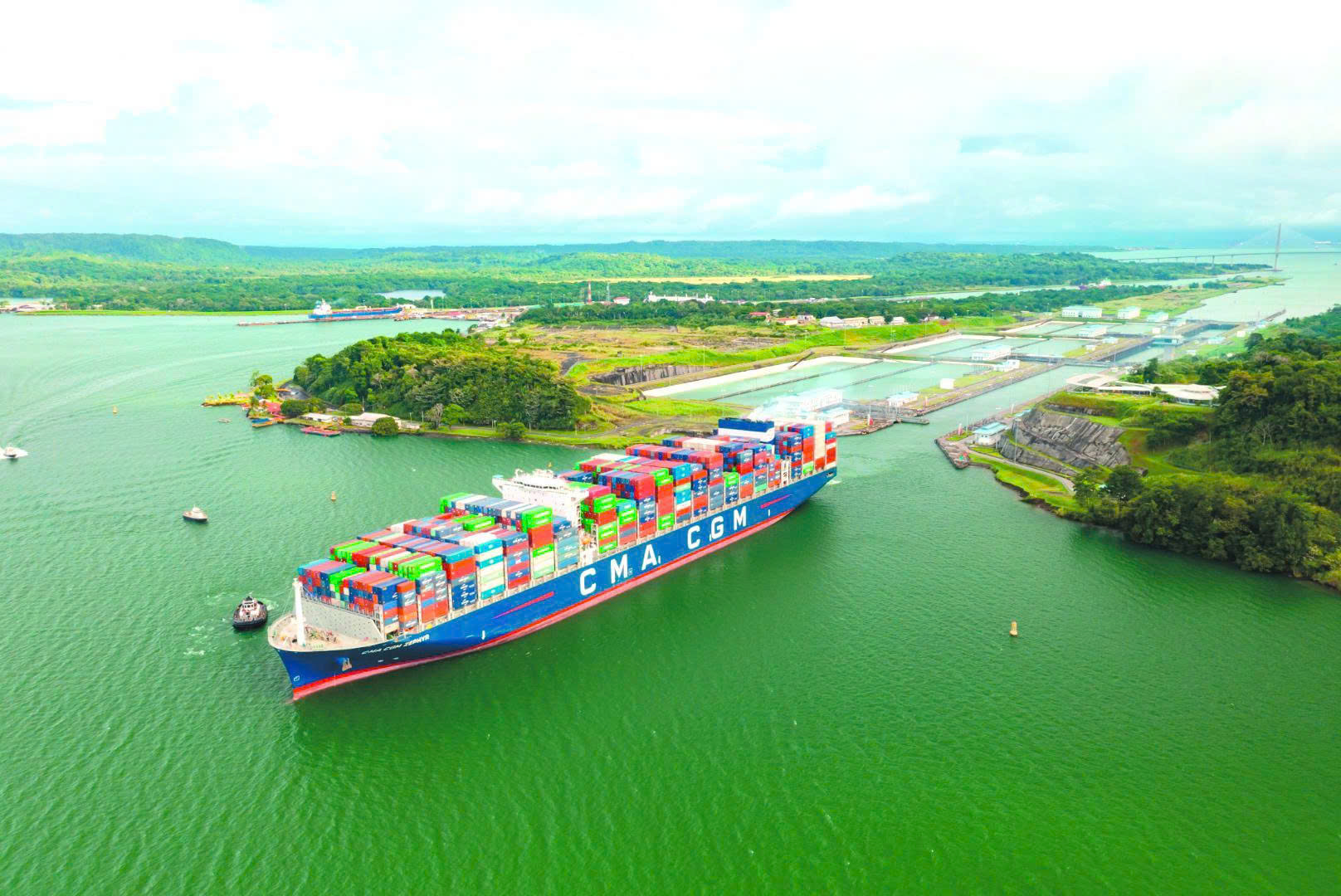
PANAMA CANAL TO FURTHER REDUCE DRAFT LIMIT FOR NEOPANAMAX VESSELS
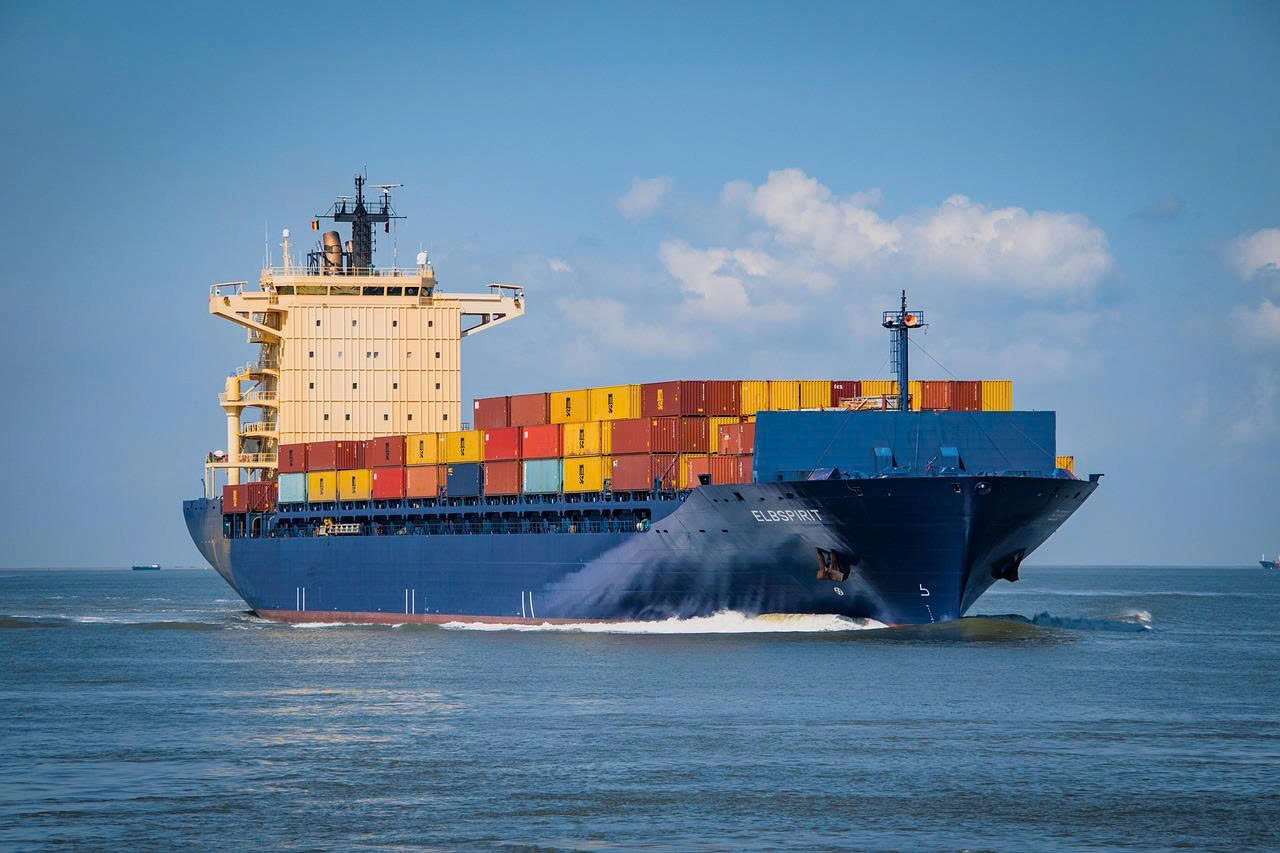
The Panama Canal will further reduce the maximum allowable draft for Neopanamax vessels from late August 2026 as water levels in Gatun Lake continue to decline.
Congestion at some airports, notably Amsterdam (Netherlands) and Chicago O'Hare (USA) has eased, but there are still major problems releasing cargo from Monday to Friday in week.

Mr. Robert Fordree, Head of Cargo at Menzies said: “According to the overview report, we are experiencing a situation where goods are not being picked up by forwarders and overall, the duration of a supply chain is decreasing increase. Forwarders are also having difficulty finding drivers and their warehouses are also experiencing a shortage of space to receive more goods.”
“We looked at increasing storage fees, but with congestion everywhere, that won't change anything,” said another carrier. own operations to deliver goods directly to the forwarders but: “There is no space left in their warehouse, the forwarders are also congested”.
“We doubled the storage fee, and did the same thing over and over, but still no one came to pick it up. That has caused a blockage in our warehouses and things are getting chaotic."
Forwarders also predict the handling surcharge (THC) will continue to increase next year.
Meanwhile, forwarders are also having a headache with miners. A video that went viral last week showed a large amount of cargo being left on the Airside at Heathrow. But one of the challenges at Heathrow is that cargo must be moved by truck before it is loaded onto the plane to go through the cargo tunnel at the airport, which requires different drivers.
“And the whole industry is understaffed.” WFS, which said today it is investing in a new cargo terminal in Copenhagen (Denmark), is believed to be short of about 1,500 employees in the US, although a source noted that the situation is improving.
“There are a lot of labor challenges,” said Mr. Fordree. “Our traditional workforce is shrinking – those who used to work in airports are now moving into other more competitive industries. So the current bottleneck is partly due to a lack of labor, experience and knowledge. "
The restoration of some passenger services is also causing problems. Accenture's Seabury said this morning's flight capacity between the UK and the US has increased by 21% since the US fully reopened its borders this month, although other European destinations have not seen a similar increase. But operators say passenger flights are less likely to change schedules and passenger airlines tend to be less flexible.
“The major freight carriers are telling you that you can’t continue to ship when there is a traffic jam – we have had some conversations with the Global carriers,” said Mr. Fordree.
“What we have found is that when airlines operate passenger transport with fewer passengers than before, they can more easily adjust their schedules, especially for flights in airports great. But as passengers start to return, the airlines will do what the passengers want and we are less able to accommodate a more flexible schedule.”
The Panama Canal will further reduce the maximum allowable draft for Neopanamax vessels from late August 2026 as water levels in Gatun Lake continue to decline.
In modern logistics, delays are no longer viewed as mere inconveniences. They can result in significant financial losses, including reduced revenue, dissatisfied customers, increased warehousing costs, disrupted production schedules, and damaged business reputation
From July 1–4, 2026, Glotrans is participating in MTA Vietnam 2026, one of Vietnam's leading international exhibitions for precision engineering, manufacturing, and supporting industries, held at the Saigon Exhibition and Convention Center (SECC), Ho Chi Minh City.
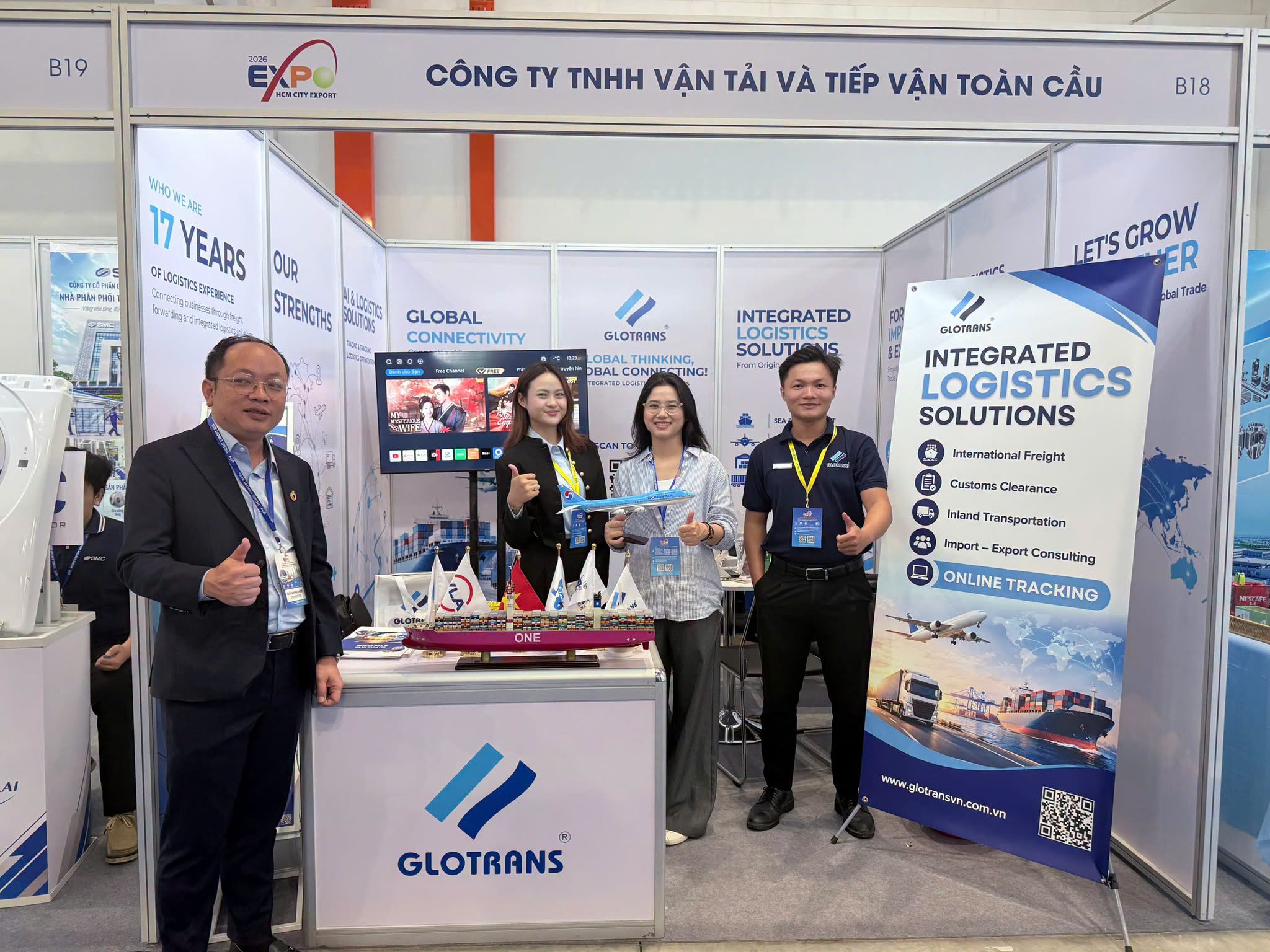
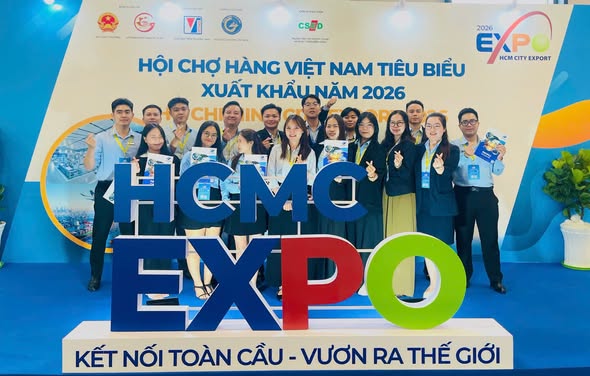
Building on the positive momentum of the opening day, on October 23, 2026, Glotrans’ Booth B18 at HCMC Export 2026 continued to welcome a large number of visitors, businesses, and domestic and international partners for networking, service exploration, and discussions on potential collaboration opportunities.
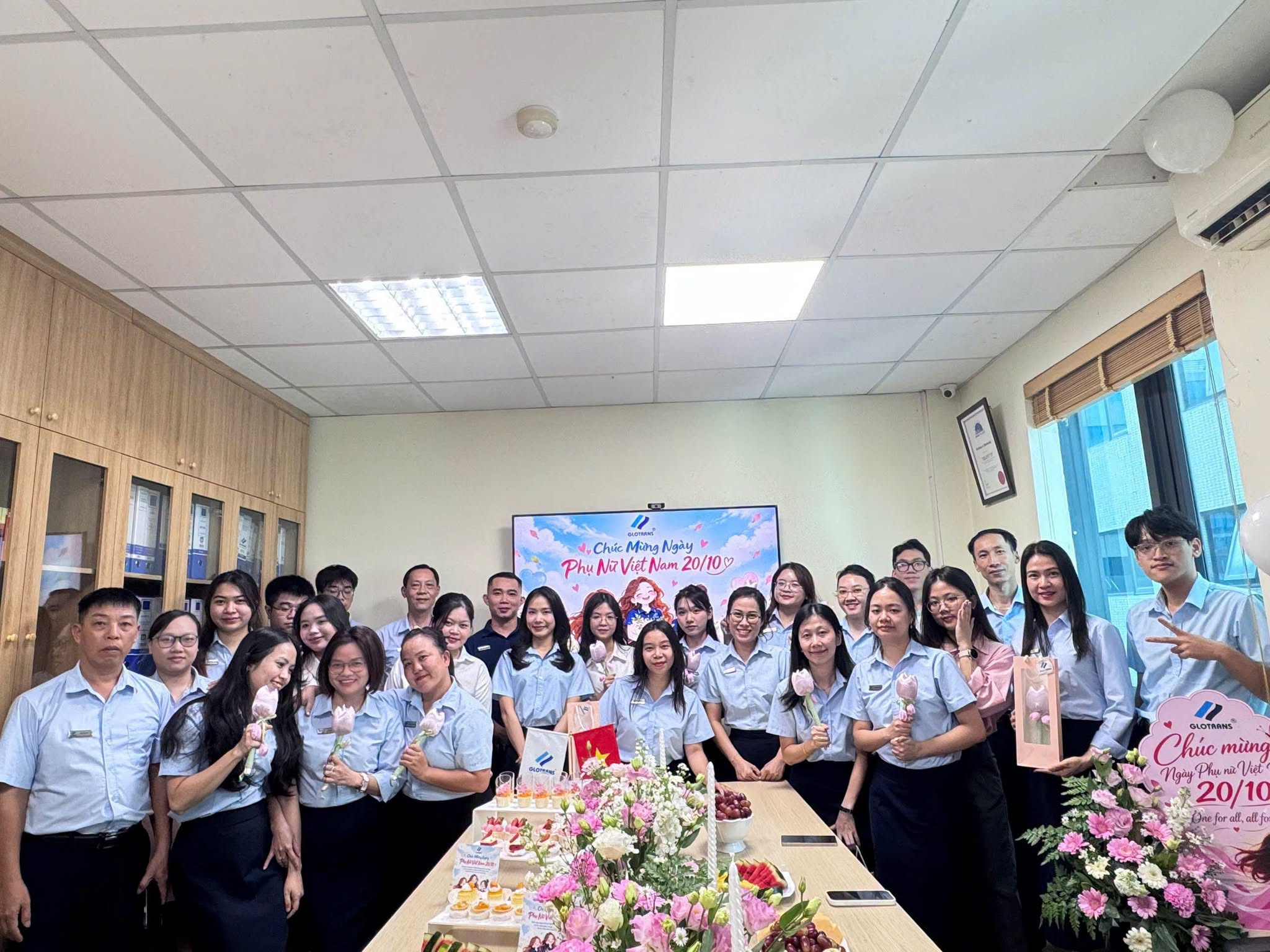
In celebration of Vietnamese Women’s Day on October 20, Glotrans branches across the entire system have organized meaningful activities, creating a warm, joyful atmosphere and many memorable moments for female employees.
The shipment of food additives was transported in container No. FCIU3301688 (20’), under B/L MPRSMUM1806, on the voyage from Nhavasheva Port (India) to Dinh Vu Port (Hai Phong, Vietnam) on 29/04/2017.
Company T (Plaintiff – the Insured) entered into an insurance contract with Company B (Defendant – the Insurer). After the insured event occurred, the Insurer alleged that the Insured had violated its obligation to prevent and mitigate losses. The Arbitral Tribunal acknowledged that such an obligation exists but concluded that the Insured did not breach it.
Under the insurance contract, the premium was to be paid in three installments, and in all three, the insured party was late in payment. When a dispute arose, the insurer (Defendant) argued that the insurance contract had terminated before the insured event occurred due to the late premium payment and therefore refused to make an insurance payout. However, the Arbitral Tribunal held a contrary view.