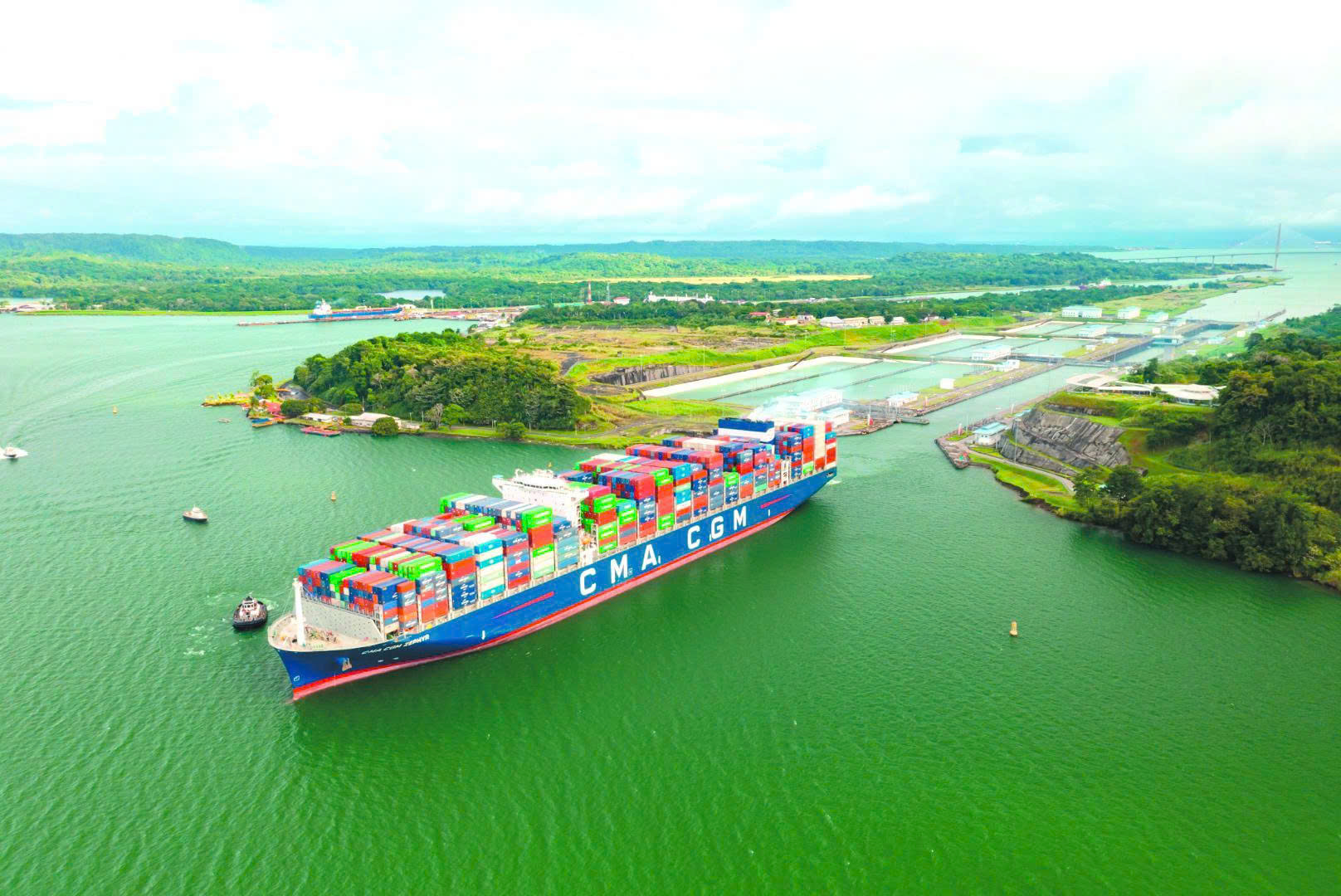
PANAMA CANAL TO FURTHER REDUCE DRAFT LIMIT FOR NEOPANAMAX VESSELS
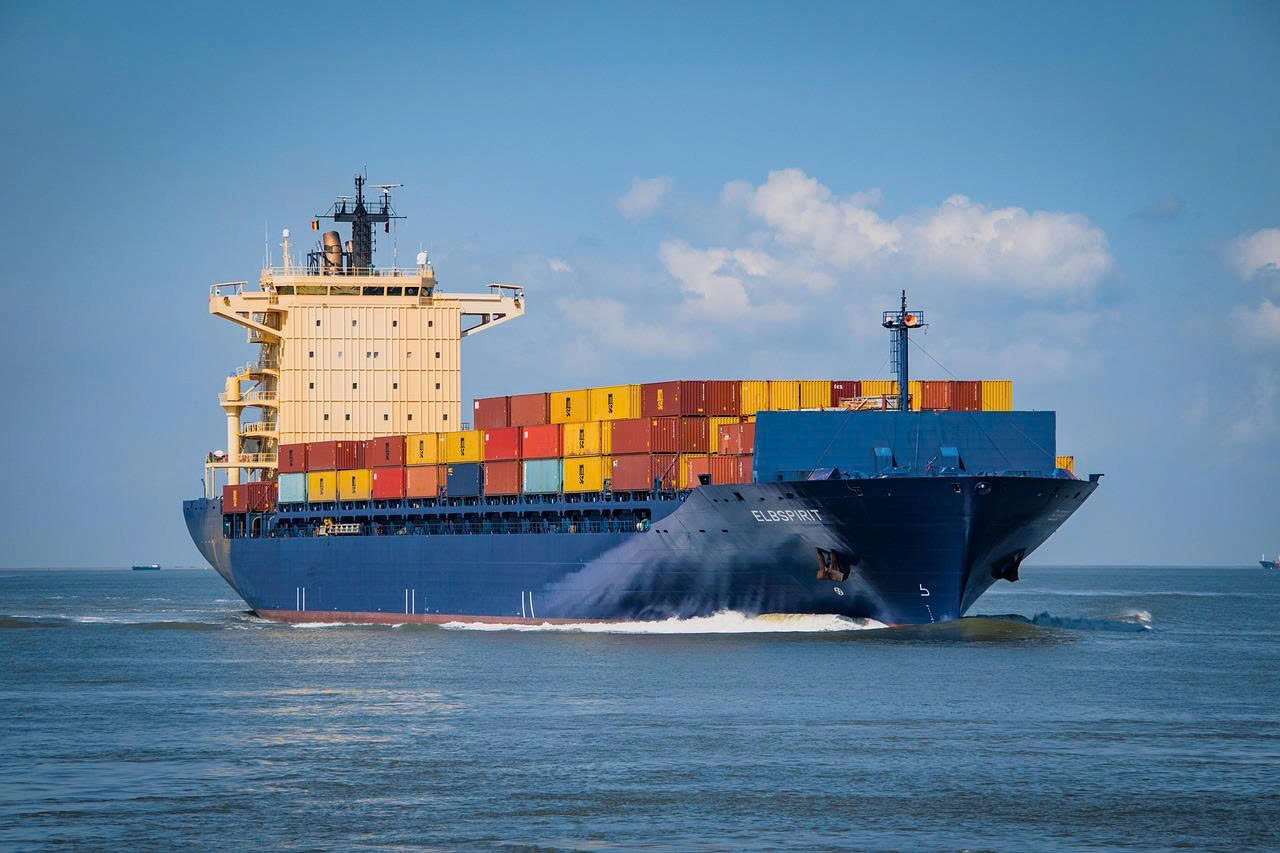
The Panama Canal will further reduce the maximum allowable draft for Neopanamax vessels from late August 2026 as water levels in Gatun Lake continue to decline.
On the afternoon of October 1, at the meeting on the socio-economic situation in the first 9 months of 2024, the Department of Planning and Investment of Ho Chi Minh City said that many economic indicators have grown steadily. Notably, export turnover is on a recovery trend and has grown.
Director of the Department of Planning and Investment of Ho Chi Minh City, Ms. Le Thi Huynh Mai, said that in the first 9 months of 2024, the total product in the area (GRDP) is estimated to increase by about 6.7 - 6.9% over the same period last year; the index of industrial production (IIP) is estimated to increase by 6.9%; trade and service activities in the area continue to grow steadily. Total retail sales of goods and consumer revenue in September is estimated to increase by 10.5% over the same period last year.
As of September 27, 2024, the total disbursed state budget investment capital was more than VND 15,802 billion, reaching 19.9% of the 2024 capital plan. The total state budget revenue for the first 9 months of 2024 is estimated at VND 371,307 billion, reaching 76.9% of the estimate and increasing by 14.3% over the same period last year.
Ho Chi Minh City is focusing on removing difficulties and obstacles, unblocking resources and speeding up the compensation and site clearance progress of projects. As of September 27, the total disbursed state budget investment capital was more than VND 15,800 billion, reaching 19.9% of the annual plan.
In the first 9 months of the year, Ho Chi Minh City granted licenses to establish more than 37,800 new enterprises, with registered capital reaching nearly VND295,000 billion, down 13.9% in capital compared to the same period. The number of enterprises participating in the market increased by 4.6%, but the number of enterprises withdrawing from the market increased by 6.2%. It is estimated that for every 100 enterprises participating in the market, 56 enterprises withdraw.
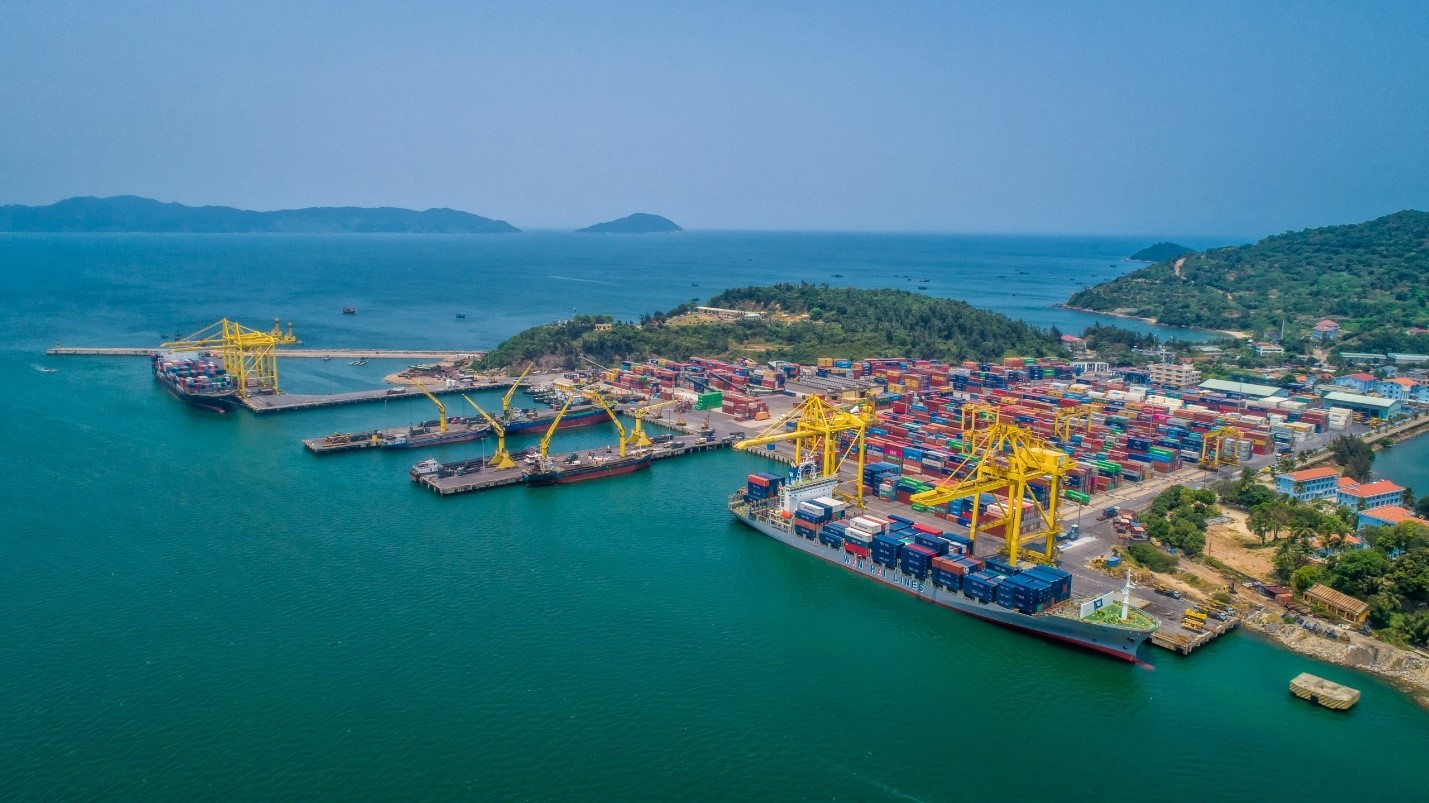
The total export turnover of Ho Chi Minh City enterprises through border gates nationwide in the first 9 months of 2024 is estimated at 33.82 billion USD, up 10.2% over the same period (down 14.2% over the same period). Exports are still on a recovery trend, with many textile and garment enterprises receiving enough orders until the third quarter and the end of 2024. The total import turnover of Ho Chi Minh City enterprises through border gates nationwide in the first 9 months of 2024 is estimated at 44.1 billion USD, up 6.4% over the same period last year.
Chairman of the Ho Chi Minh City Business Association, Mr. Nguyen Ngoc Hoa, said that the business operations in the city have recorded positive signs. Business orders have been restored. Most businesses have enough orders from now until the end of the year and businesses are accelerating the implementation of these orders. For example, in the textile and garment sector, agricultural products...
Commenting on the export situation of the industry in the last months of the year, Vice President of the Handicraft and Wood Processing Association of Ho Chi Minh City (HAWA), Mr. Nguyen Chanh Phuong also noted certain optimism. He predicted that from now until the end of the year, the total turnover will reach about 14.5 - 15 billion USD.
On the business side, the Director of Dony Company was excited, Mr. Nguyen Quang Anh said that the business results in 8 months increased by more than 50% compared to the same period last year and orders received to be processed until the end of the year. This achievement, in addition to retaining traditional customers in the country and exporting to the US, the Middle East. In addition, the enterprise also exploits in countries in the region such as Cambodia, Thailand, Malaysia and Singapore.
However, businesses are also facing difficulties and challenges such as high unit prices of goods, technical barriers such as green standards, traceability... from importing countries. In addition, the growth in export orders comes mainly from FDI enterprises, while purely Vietnamese enterprises are still "living hand to mouth".
Chairman of the Ho Chi Minh City People's Committee, Mr. Phan Van Mai, commented that in the third quarter of 2024, Ho Chi Minh City still maintained its growth rate but had no breakthrough. Disbursement of public investment capital was very low, reaching only 20% of the annual plan. Therefore, the task set for the fourth quarter is very large, the city must focus highly, "sprint" to complete the annual plan.
In addition, through the data, it shows that the City's growth in the third quarter was more than 7%. To achieve the growth target of 7.5% this year, Ho Chi Minh City needs to have a growth rate of over 9% in the fourth quarter, this is a very heavy task and difficult to complete if a breakthrough solution is not identified, Chairman of the Ho Chi Minh City People's Committee Phan Van Mai emphasized.
Source: General Statistics Office of Vietnam
The Panama Canal will further reduce the maximum allowable draft for Neopanamax vessels from late August 2026 as water levels in Gatun Lake continue to decline.
In modern logistics, delays are no longer viewed as mere inconveniences. They can result in significant financial losses, including reduced revenue, dissatisfied customers, increased warehousing costs, disrupted production schedules, and damaged business reputation
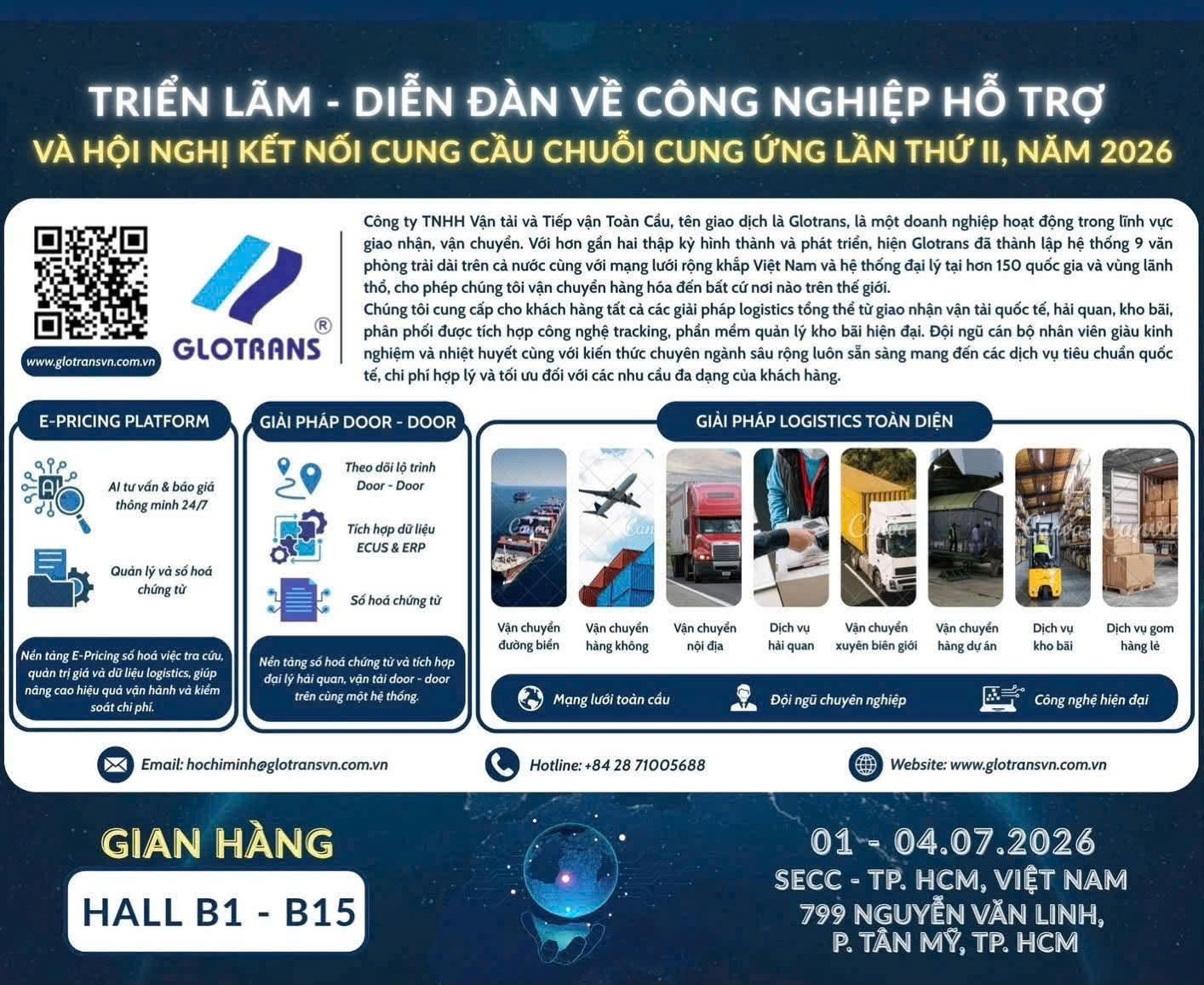
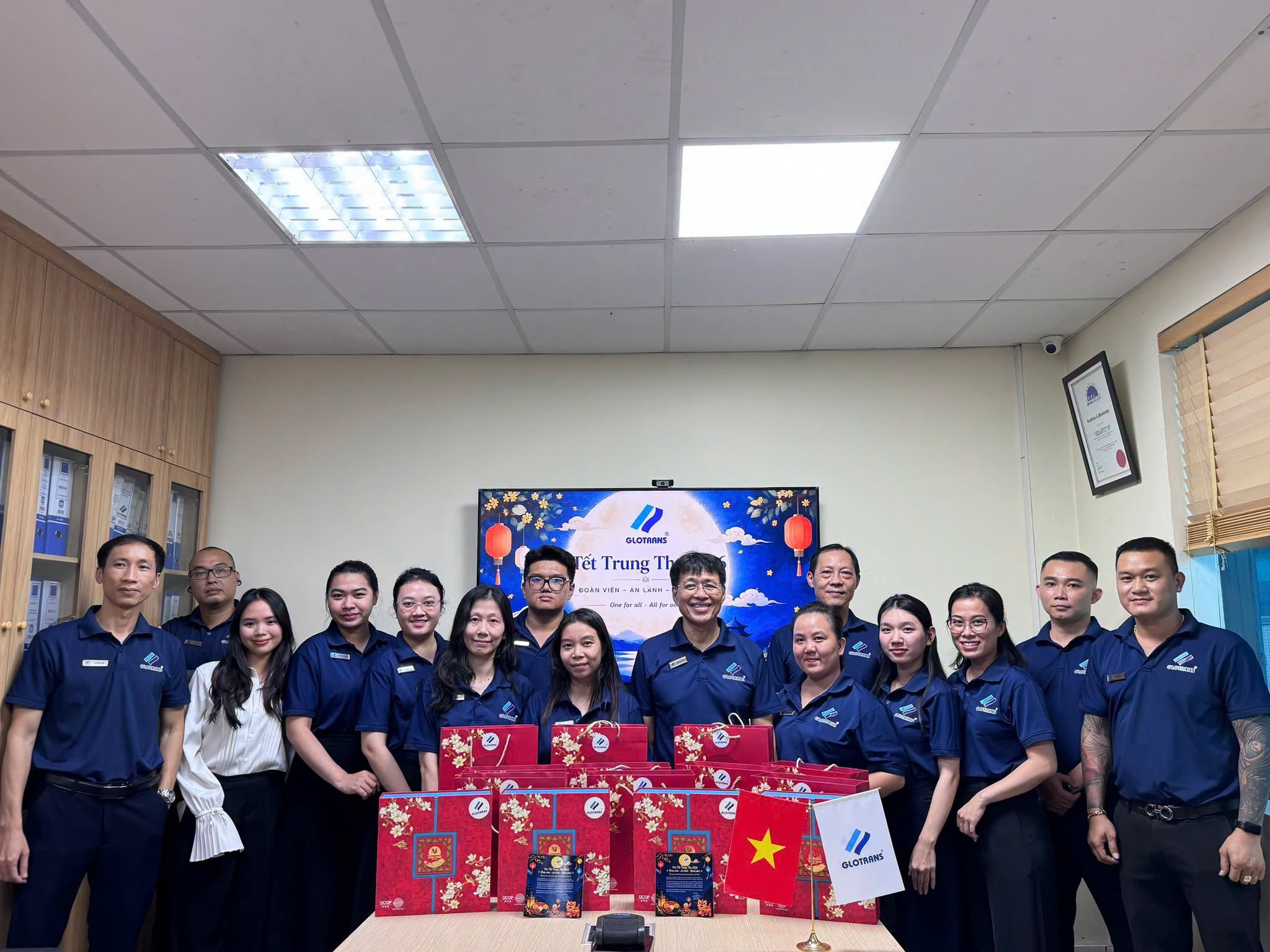
From July 1–4, 2026, Glotrans is participating in MTA Vietnam 2026, one of Vietnam's leading international exhibitions for precision engineering, manufacturing, and supporting industries, held at the Saigon Exhibition and Convention Center (SECC), Ho Chi Minh City.
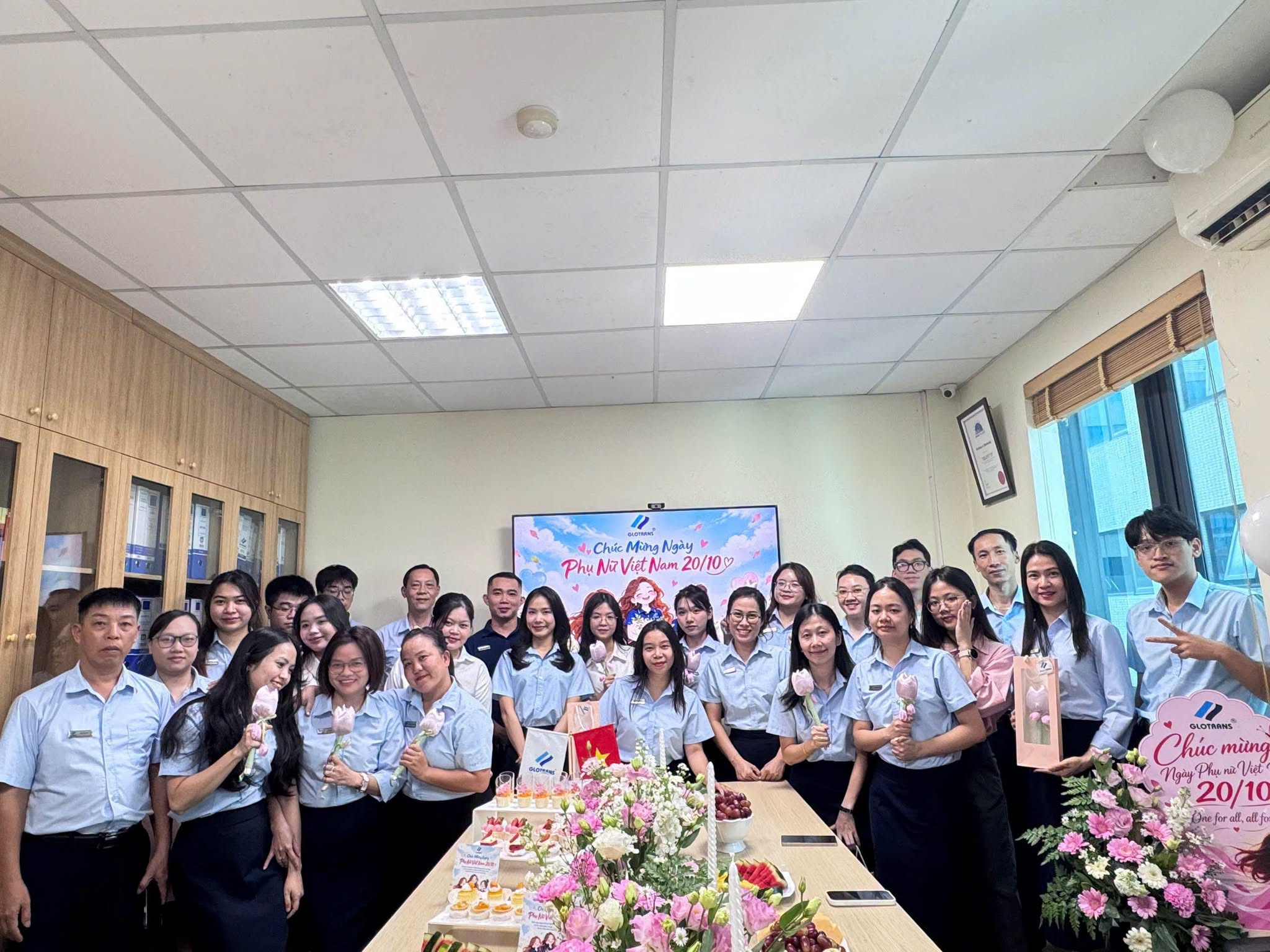
In celebration of Vietnamese Women’s Day on October 20, Glotrans branches across the entire system have organized meaningful activities, creating a warm, joyful atmosphere and many memorable moments for female employees.
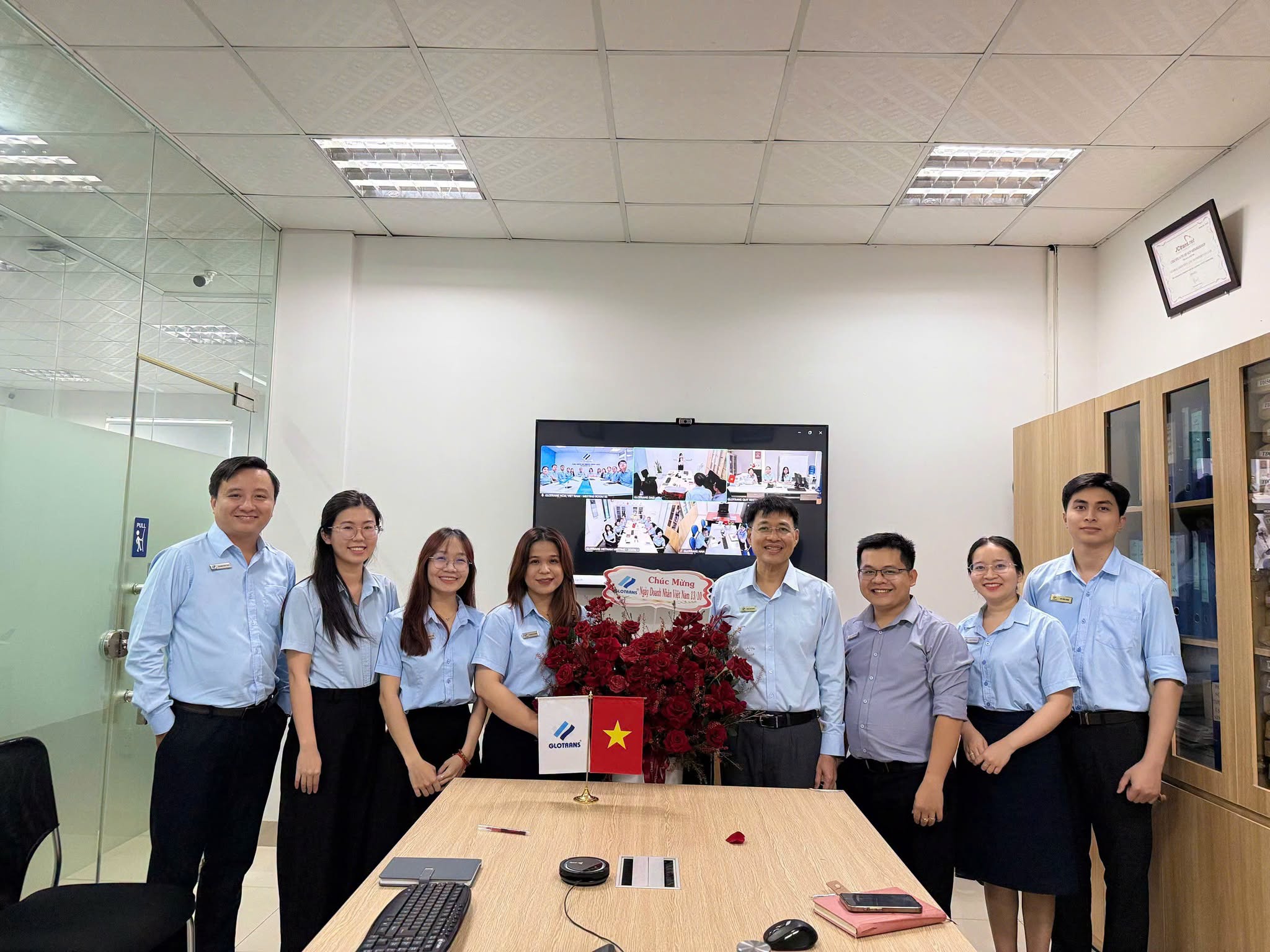
Vietnamese Entrepreneurs’ Day, celebrated on October 13, is an occasion to honor the contributions of the business community to the country’s economic development, while recognizing the resilience, innovative spirit, and ambition of those who lead businesses forward
The Mid-Autumn Festival is not only a time for family reunions, but also a special occasion to share love, send warm wishes, and enjoy meaningful moments with our beloved colleagues.
The shipment of food additives was transported in container No. FCIU3301688 (20’), under B/L MPRSMUM1806, on the voyage from Nhavasheva Port (India) to Dinh Vu Port (Hai Phong, Vietnam) on 29/04/2017.
Company T (Plaintiff – the Insured) entered into an insurance contract with Company B (Defendant – the Insurer). After the insured event occurred, the Insurer alleged that the Insured had violated its obligation to prevent and mitigate losses. The Arbitral Tribunal acknowledged that such an obligation exists but concluded that the Insured did not breach it.
Under the insurance contract, the premium was to be paid in three installments, and in all three, the insured party was late in payment. When a dispute arose, the insurer (Defendant) argued that the insurance contract had terminated before the insured event occurred due to the late premium payment and therefore refused to make an insurance payout. However, the Arbitral Tribunal held a contrary view.