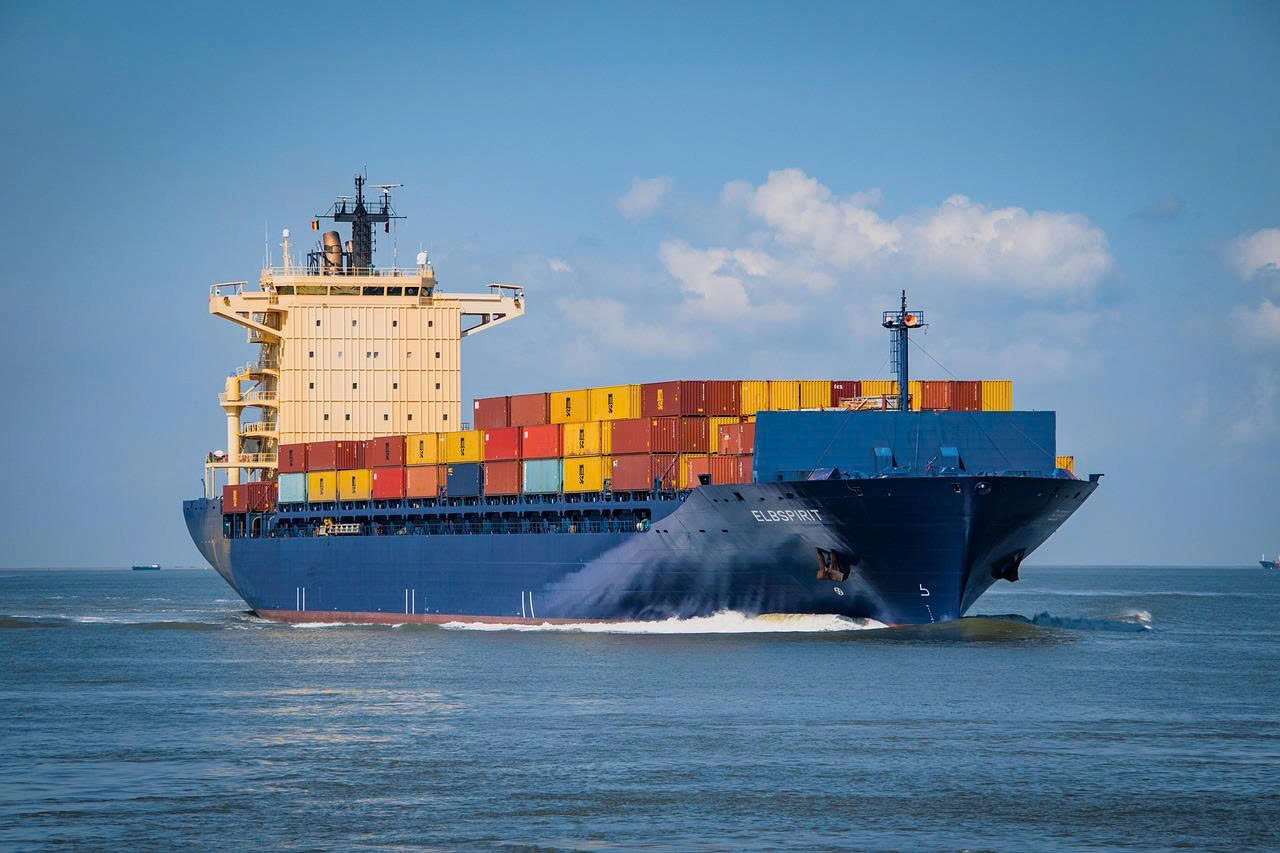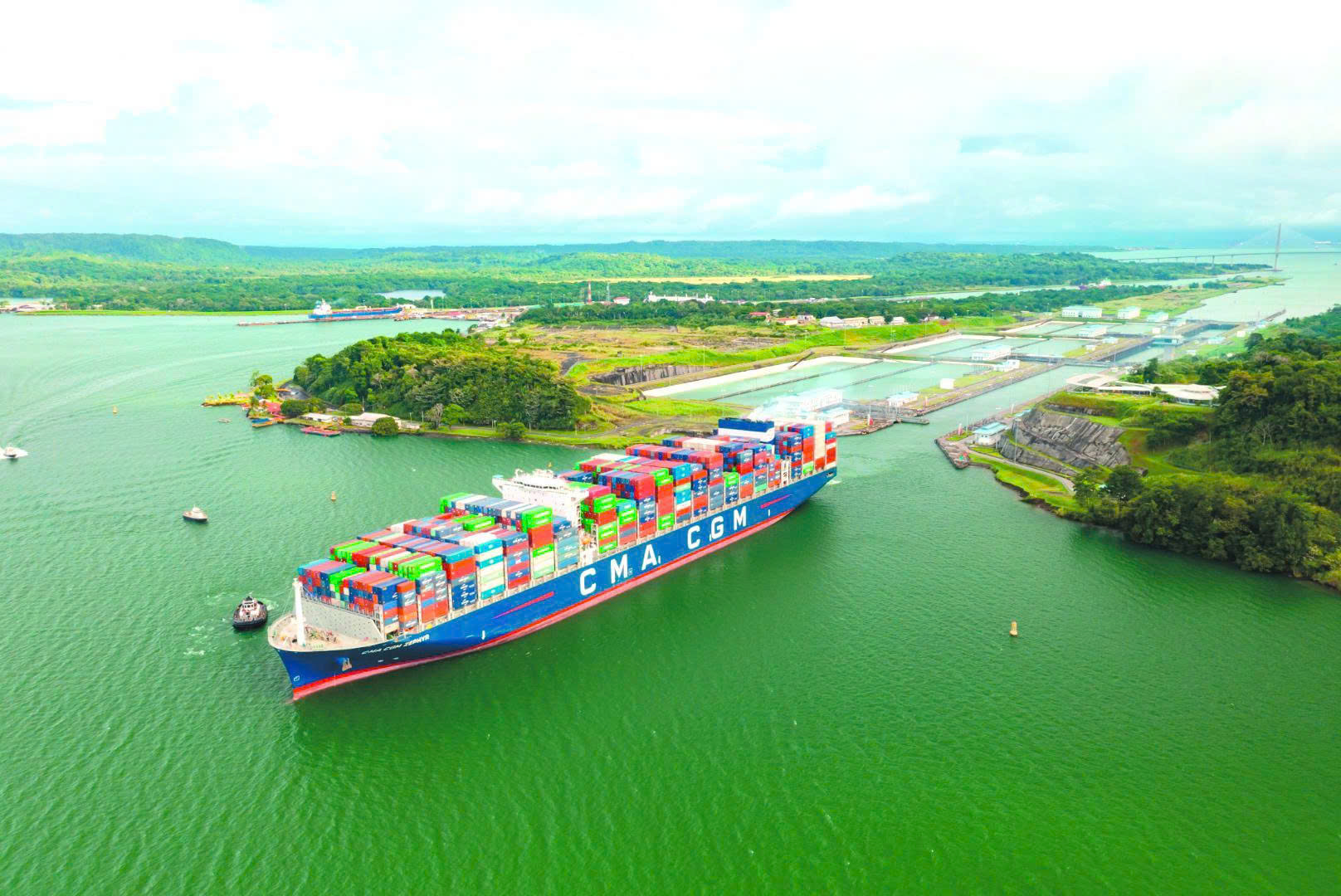
PANAMA CANAL TO FURTHER REDUCE DRAFT LIMIT FOR NEOPANAMAX VESSELS
The Panama Canal will further reduce the maximum allowable draft for Neopanamax vessels from late August 2026 as water levels in Gatun Lake continue to decline.
Because it is a small market, recently, Vietnamese seafood enterprises have not really paid attention to the Taiwan market. However, according to the recommendation of the Vietnam Association of Seafood Exporters and Producers (VASEP), Taiwan is a potential market and businesses should have specific plans to gradually dominate.
According to VASEP, Taiwan is not currently in the top 10 seafood import markets of Vietnam. However, this market has a relatively stable import turnover of seafood from Vietnam with over US$100 million per year, accounting for 1.3-1.8% of the country's total seafood export value. It is estimated that in the first 6 months of this year, seafood exports to Taiwan reached 50.5 million USD. In which, shrimp exports reached 27 million USD; Pangasius reached nearly 10 million USD, seafood products reached 22 million USD…
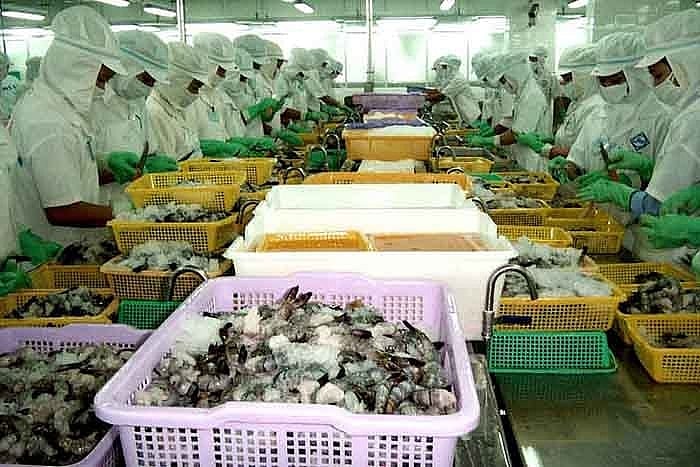
Mr. Truong Dinh Hoe - General Secretary of VASEP - said: The Taiwan market currently favors frozen black tiger shrimp, fresh shrimp, frozen pangasius fillet, fresh/frozen white leg shrimp, processed shrimp, and squid. … of Vietnam. In general, the volume and value of Vietnam's seafood exports through this market is quite stable because it has not been really focused by businesses, leading to a low value of turnover.
For example, Nam Viet Joint Stock Company exported 250 tons of pangasius fillet products to the Taiwan market, worth about 500 million USD. According to Ms. Do Thi Thanh Thuy - Sales Director of Nam Viet Joint Stock Company, on average, the company exports from 5 to 6 million USD per year to this market alone. However, since the Covid-19 epidemic broke out globally, pangasius output and export value to Taiwan halved, so Nam Viet decided to switch to exploiting more potential markets such as the EU. , USA, Malaysia…
Like Nam Viet, Thuan Phuoc Seafood and Trade Joint Stock Company said that this market is difficult to exploit at the moment, so it does not pay attention.
However, according to VASEP, focusing on large markets while ignoring lower value markets like Taiwan is not the optimal choice in the long run. Besides, the demand for seafood in Taiwan is increasing, especially for shrimp products. Not to mention that recently, the Taiwan Food and Drug Administration (TFDA) has sent a document to the Vietnam Economic and Cultural Office in Taipei to announce a list of 674 Vietnamese enterprises licensed to export. seafood products into this market. Compared to the previous time, the number of licensed seafood enterprises increased by 36. This information makes the export of Vietnamese enterprises to this market more convenient if the appropriate approach is taken.
From the above positive signals, VASEP encourages businesses to have the right direction to exploit the market. Because even though it is a small market, the standards will not be strict, not to mention the diversification of the market will greatly help with the long-term goal of sustainable development of the seafood industry that the industry is aiming for.
The Taiwanese market has a habit of consuming seafood in both Chinese and Japanese styles. In order to export through Taiwan, businesses need to pack their goods compactly, beautifully designed, with full instructions for use. In addition, when bringing goods to Taiwan, it is necessary to focus on advertising and providing information for consumers here to know and buy.
The Panama Canal will further reduce the maximum allowable draft for Neopanamax vessels from late August 2026 as water levels in Gatun Lake continue to decline.
In modern logistics, delays are no longer viewed as mere inconveniences. They can result in significant financial losses, including reduced revenue, dissatisfied customers, increased warehousing costs, disrupted production schedules, and damaged business reputation
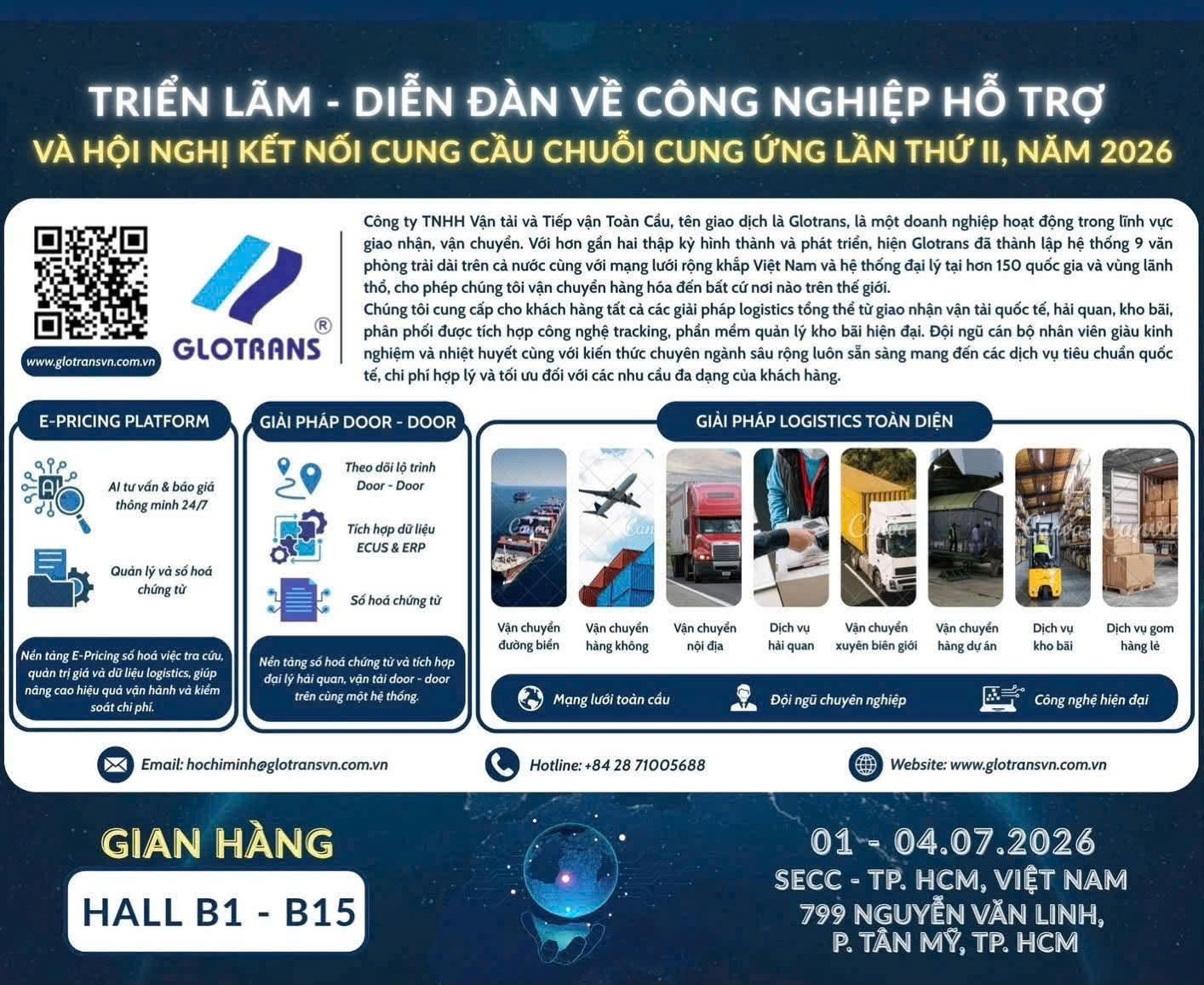
From July 1–4, 2026, Glotrans is participating in MTA Vietnam 2026, one of Vietnam's leading international exhibitions for precision engineering, manufacturing, and supporting industries, held at the Saigon Exhibition and Convention Center (SECC), Ho Chi Minh City.
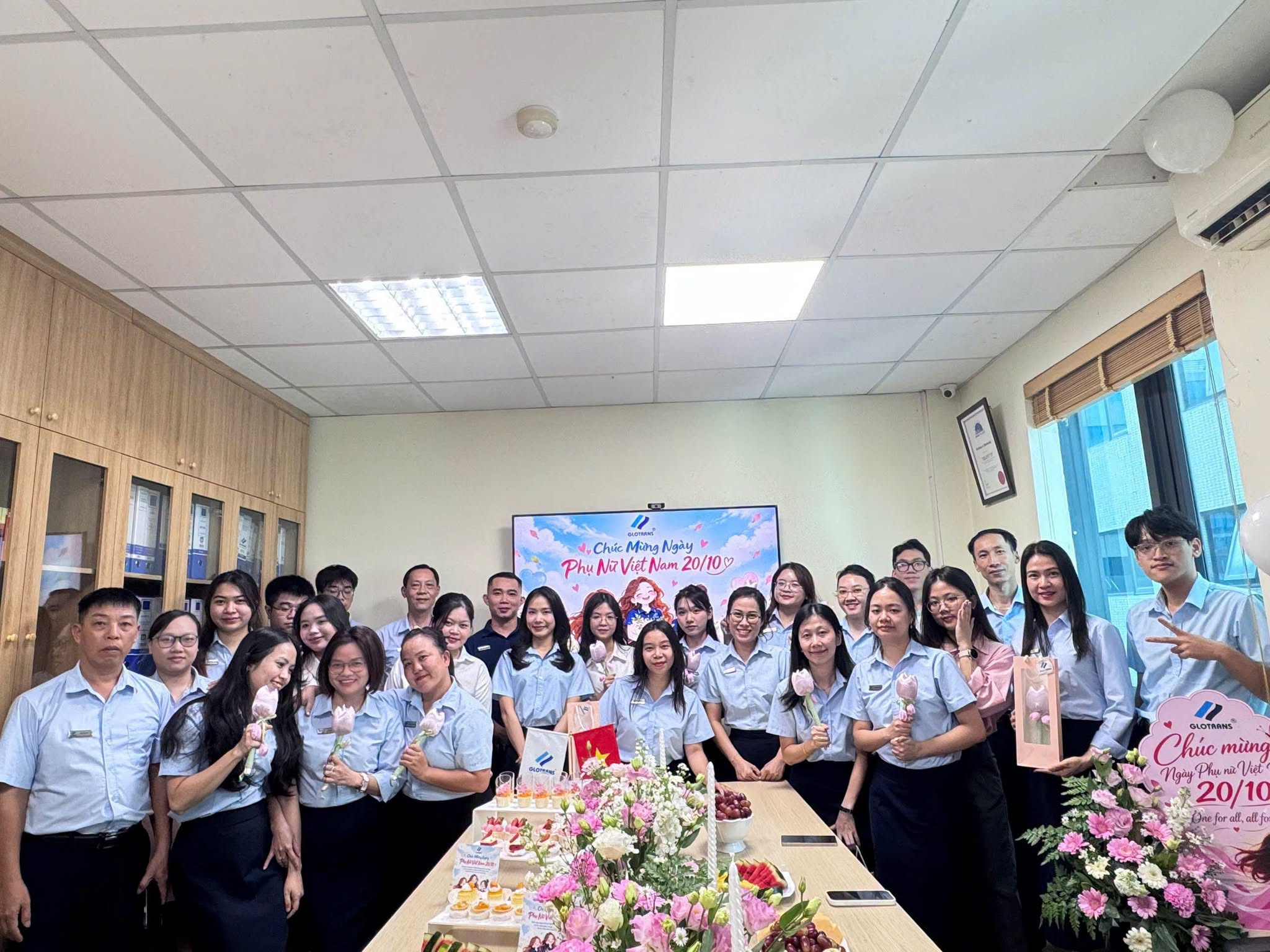
In celebration of Vietnamese Women’s Day on October 20, Glotrans branches across the entire system have organized meaningful activities, creating a warm, joyful atmosphere and many memorable moments for female employees.
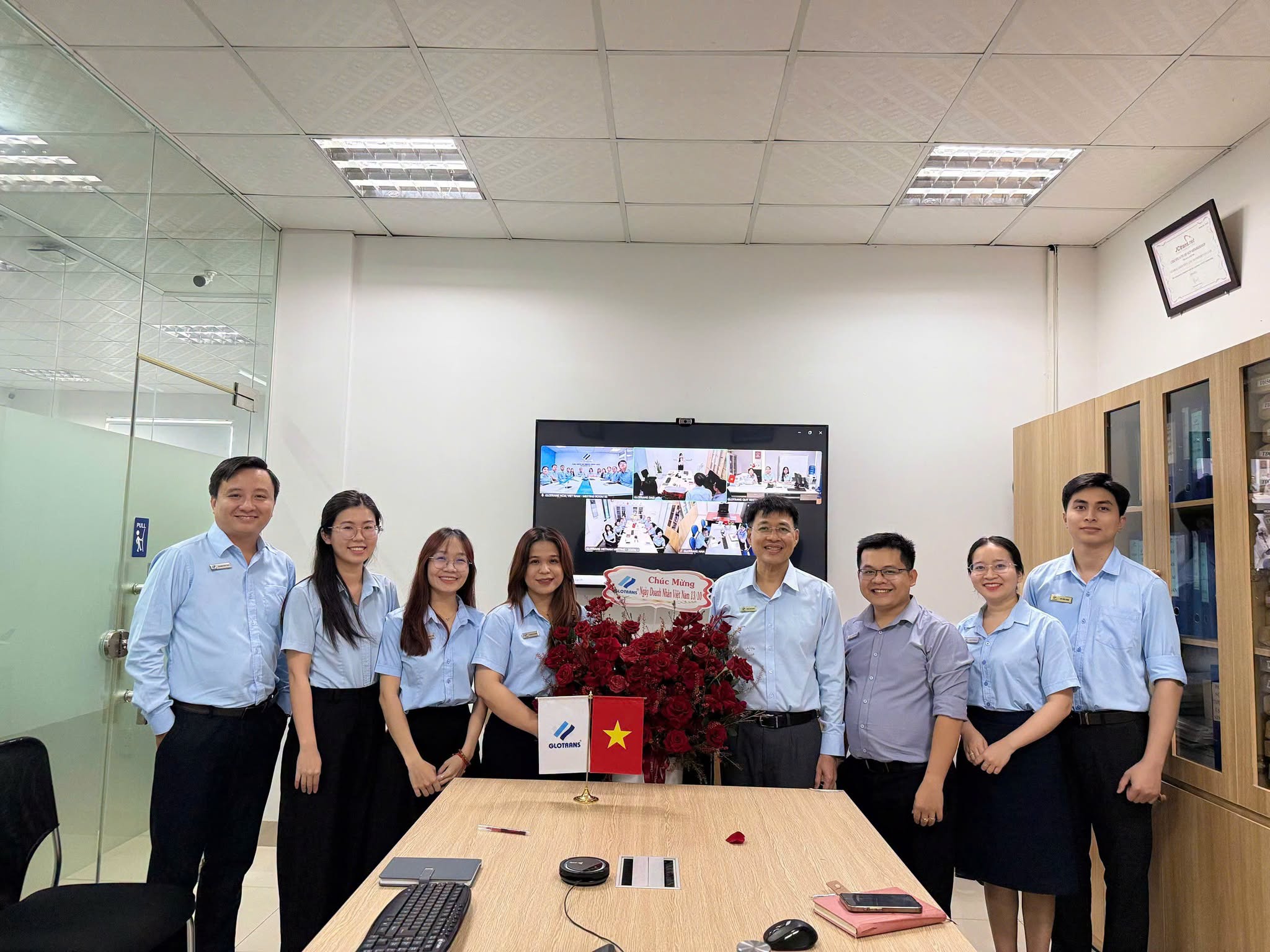
Vietnamese Entrepreneurs’ Day, celebrated on October 13, is an occasion to honor the contributions of the business community to the country’s economic development, while recognizing the resilience, innovative spirit, and ambition of those who lead businesses forward
The Mid-Autumn Festival is not only a time for family reunions, but also a special occasion to share love, send warm wishes, and enjoy meaningful moments with our beloved colleagues.
The shipment of food additives was transported in container No. FCIU3301688 (20’), under B/L MPRSMUM1806, on the voyage from Nhavasheva Port (India) to Dinh Vu Port (Hai Phong, Vietnam) on 29/04/2017.
Company T (Plaintiff – the Insured) entered into an insurance contract with Company B (Defendant – the Insurer). After the insured event occurred, the Insurer alleged that the Insured had violated its obligation to prevent and mitigate losses. The Arbitral Tribunal acknowledged that such an obligation exists but concluded that the Insured did not breach it.
Under the insurance contract, the premium was to be paid in three installments, and in all three, the insured party was late in payment. When a dispute arose, the insurer (Defendant) argued that the insurance contract had terminated before the insured event occurred due to the late premium payment and therefore refused to make an insurance payout. However, the Arbitral Tribunal held a contrary view.