PANAMA CANAL TO FURTHER REDUCE DRAFT LIMIT FOR NEOPANAMAX VESSELS
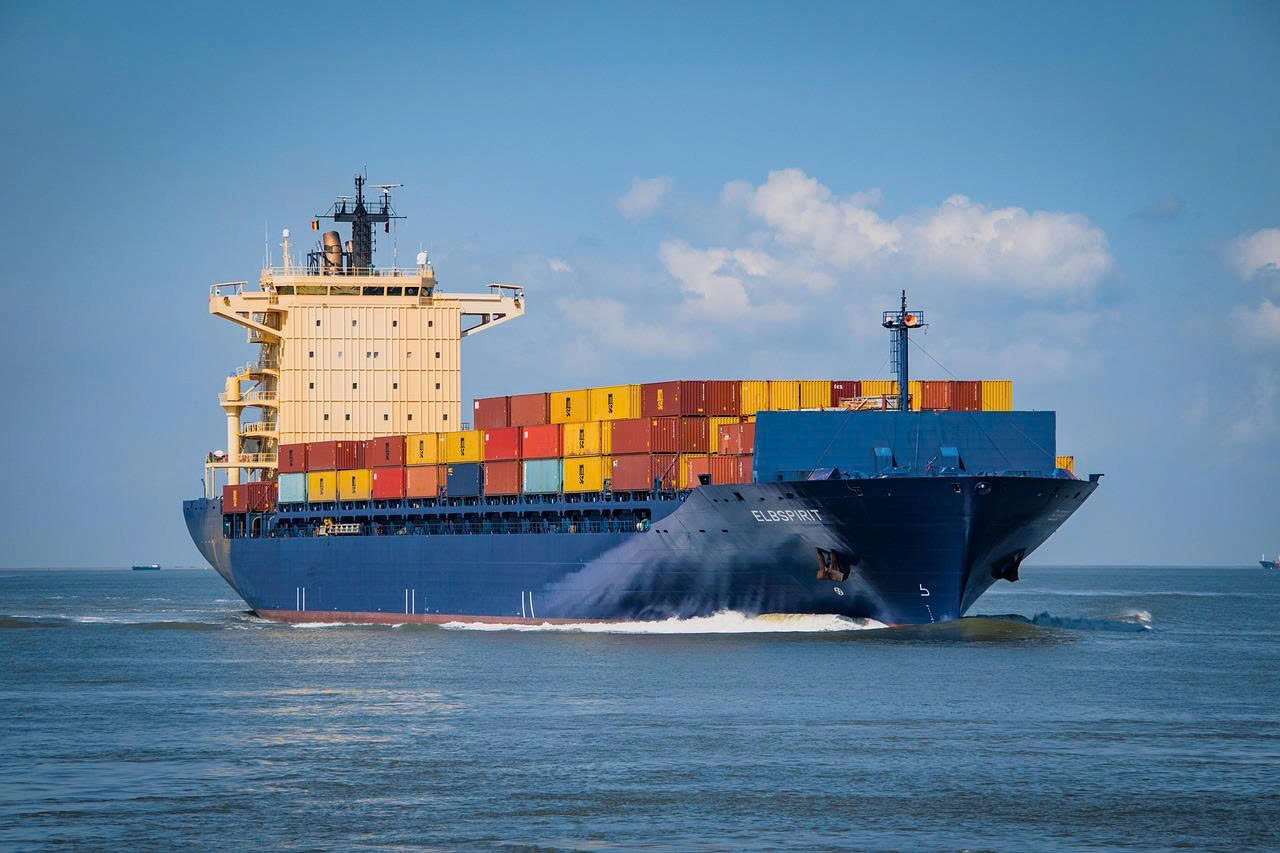
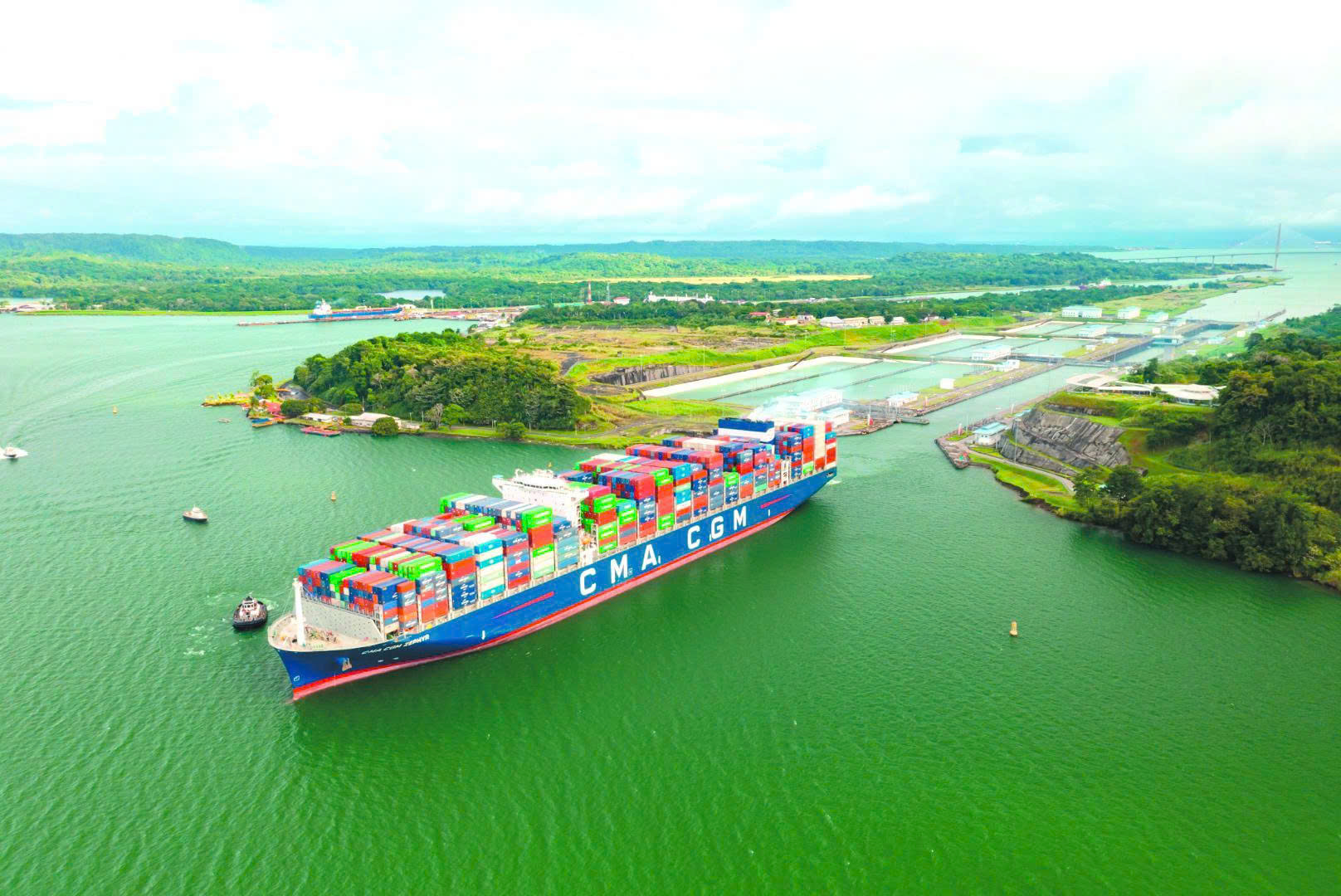
The Panama Canal will further reduce the maximum allowable draft for Neopanamax vessels from late August 2026 as water levels in Gatun Lake continue to decline.
According to the latest McCown report, import container throughput fell 5.5% in September. This is a decline not seen since the early stages of the pandemic and is larger than the 0.3% seen in the previous month July and 0.6% in August.
"West Coast ports led to that overall decline with a drop of 17.0%, which is one of the steepest declines in years," the report said. Before that, the decline was 11.5% in August and 5.1% in July.
While port congestion figures continue to improve, the East Coast shift for US imports has increased. Output increased 6.6% for East Coast and Gulf Coast ports, led by New York and Houston ports. The report said concerns about labor unrest on the West Coast could be to blame for the shift to the East Coast.
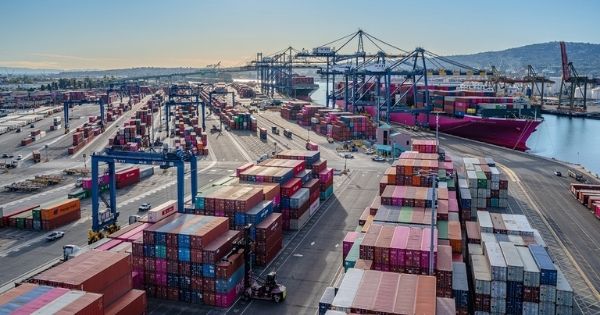
September marked the 16th consecutive month where East and Gulf ports outperformed West Coast ports in growth rates. Los Angeles was the weakest port in September, down 26.3 percent year-over-year. Houston, Charleston and New York were the fastest growing ports.
“Given signs of slowing output, the final quarter of 2022 is likely to show lower import volumes than the previous quarter,” the report said.
While this report does not address the underlying causes of the drop in container throughput, other market reports have pointed to inflation in advanced economies and low consumer confidence as negative factors polarity with respect to container volume. For the United States in particular, many reports cited high retailers' inventories as another reason for the drop in output.
The Panama Canal will further reduce the maximum allowable draft for Neopanamax vessels from late August 2026 as water levels in Gatun Lake continue to decline.
In modern logistics, delays are no longer viewed as mere inconveniences. They can result in significant financial losses, including reduced revenue, dissatisfied customers, increased warehousing costs, disrupted production schedules, and damaged business reputation
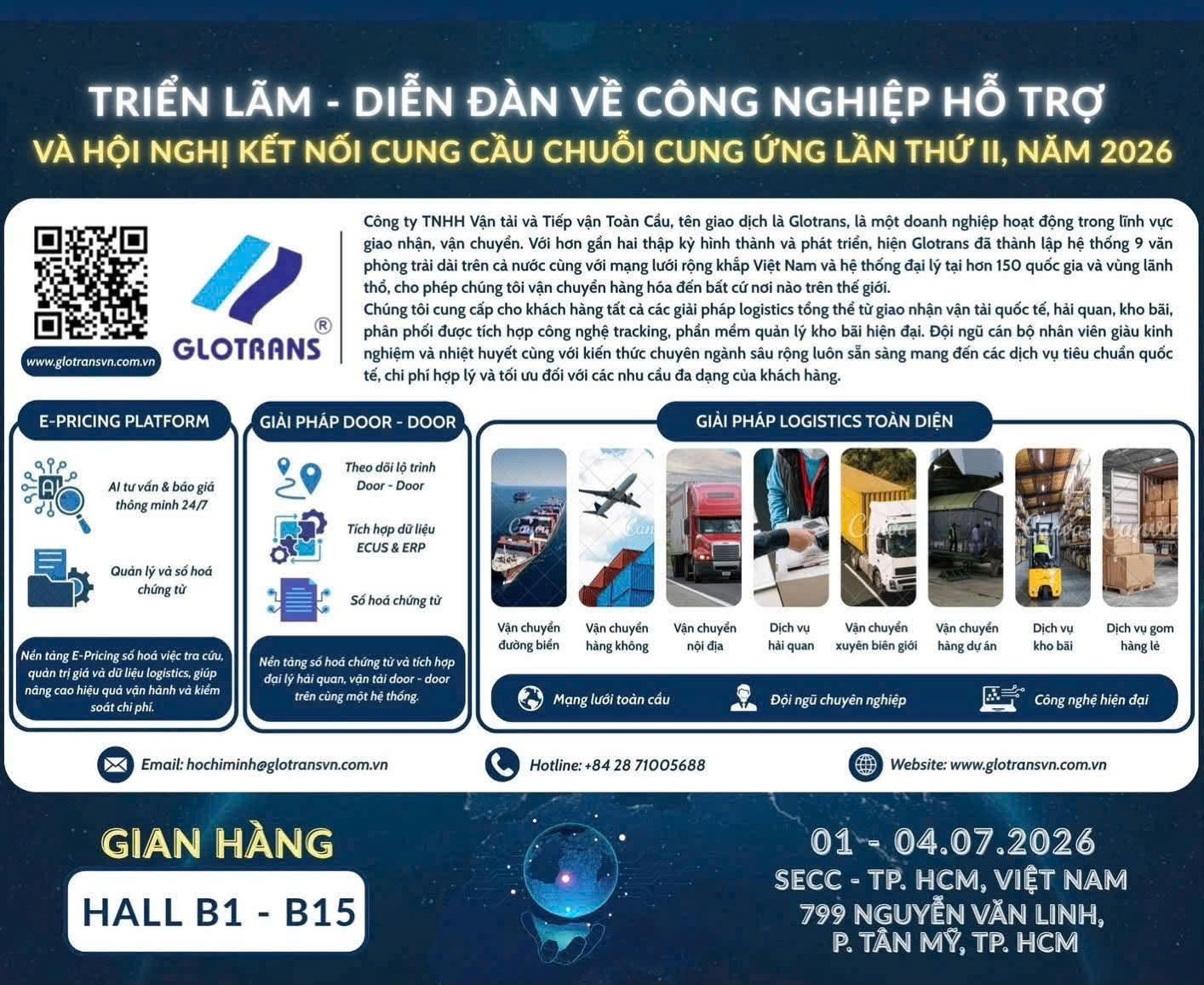
From July 1–4, 2026, Glotrans is participating in MTA Vietnam 2026, one of Vietnam's leading international exhibitions for precision engineering, manufacturing, and supporting industries, held at the Saigon Exhibition and Convention Center (SECC), Ho Chi Minh City.
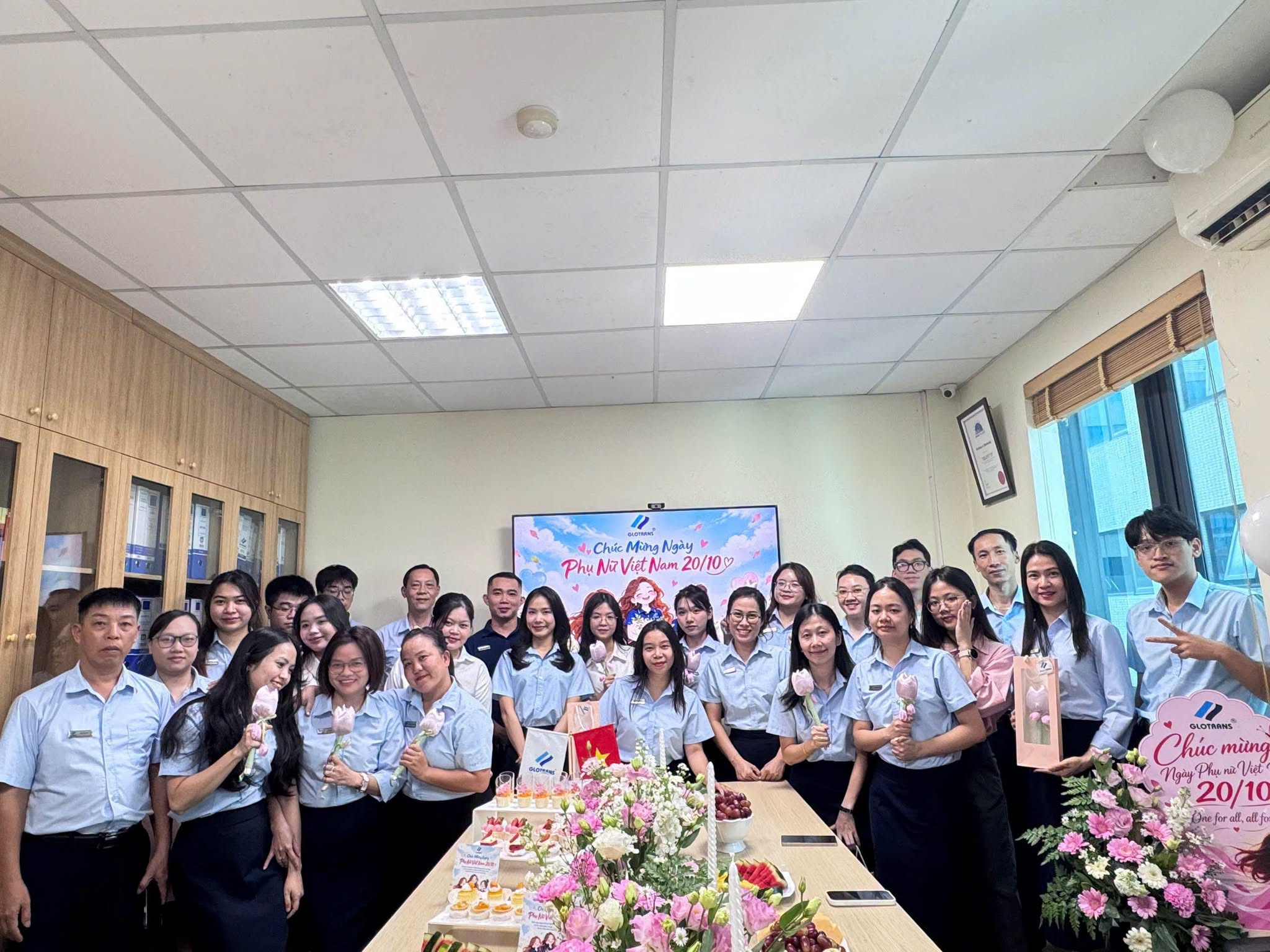
In celebration of Vietnamese Women’s Day on October 20, Glotrans branches across the entire system have organized meaningful activities, creating a warm, joyful atmosphere and many memorable moments for female employees.
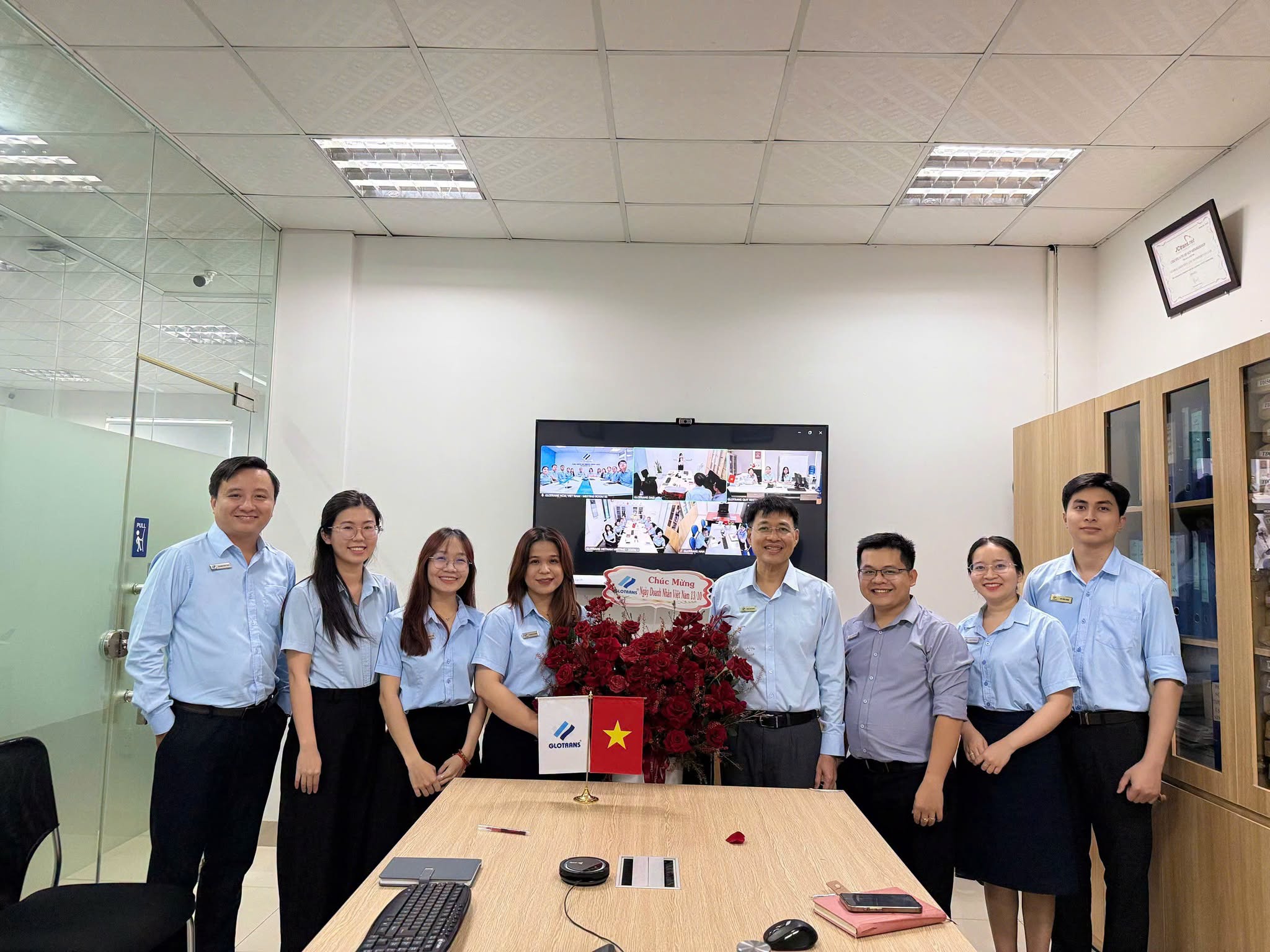
Vietnamese Entrepreneurs’ Day, celebrated on October 13, is an occasion to honor the contributions of the business community to the country’s economic development, while recognizing the resilience, innovative spirit, and ambition of those who lead businesses forward
The Mid-Autumn Festival is not only a time for family reunions, but also a special occasion to share love, send warm wishes, and enjoy meaningful moments with our beloved colleagues.
The shipment of food additives was transported in container No. FCIU3301688 (20’), under B/L MPRSMUM1806, on the voyage from Nhavasheva Port (India) to Dinh Vu Port (Hai Phong, Vietnam) on 29/04/2017.
Company T (Plaintiff – the Insured) entered into an insurance contract with Company B (Defendant – the Insurer). After the insured event occurred, the Insurer alleged that the Insured had violated its obligation to prevent and mitigate losses. The Arbitral Tribunal acknowledged that such an obligation exists but concluded that the Insured did not breach it.
Under the insurance contract, the premium was to be paid in three installments, and in all three, the insured party was late in payment. When a dispute arose, the insurer (Defendant) argued that the insurance contract had terminated before the insured event occurred due to the late premium payment and therefore refused to make an insurance payout. However, the Arbitral Tribunal held a contrary view.