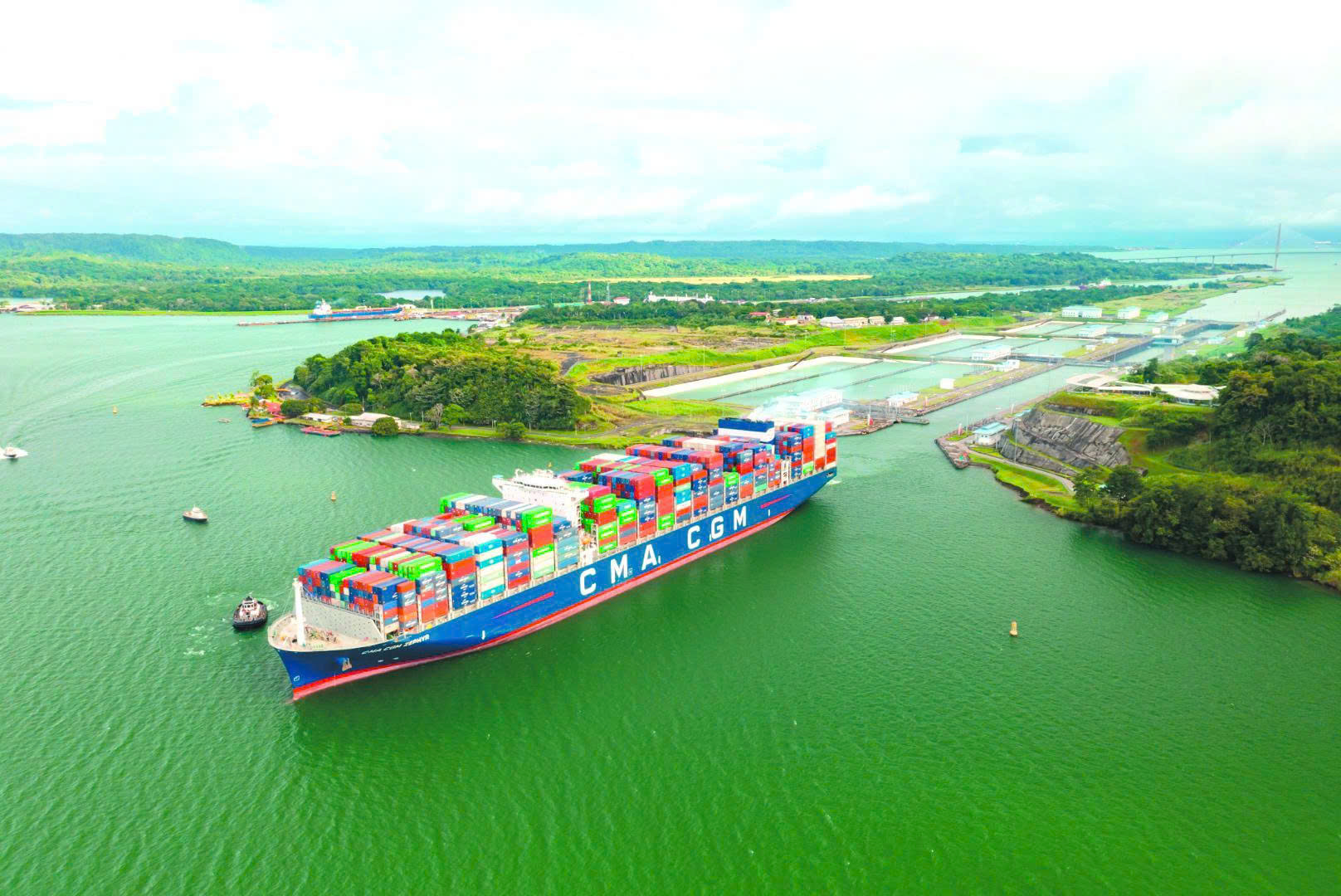
PANAMA CANAL TO FURTHER REDUCE DRAFT LIMIT FOR NEOPANAMAX VESSELS
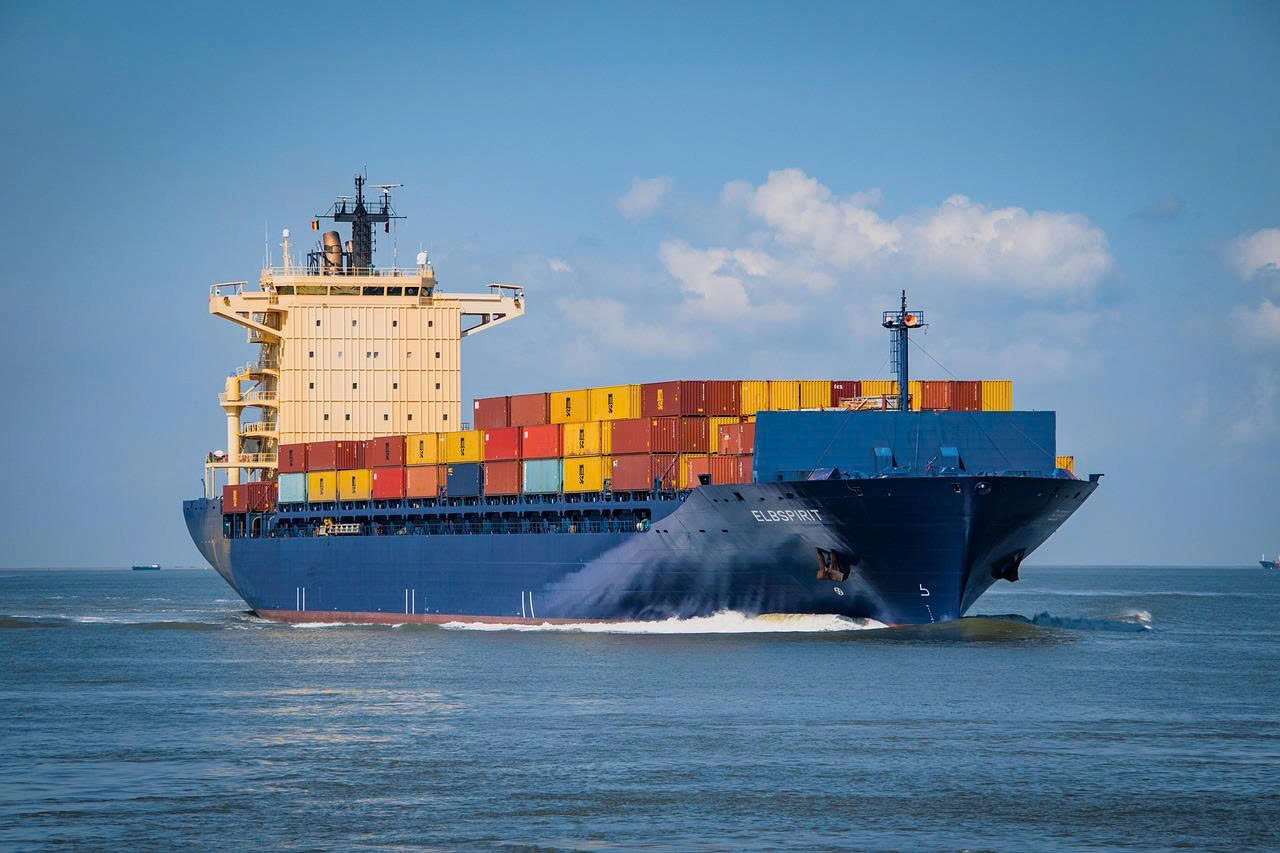
The Panama Canal will further reduce the maximum allowable draft for Neopanamax vessels from late August 2026 as water levels in Gatun Lake continue to decline.
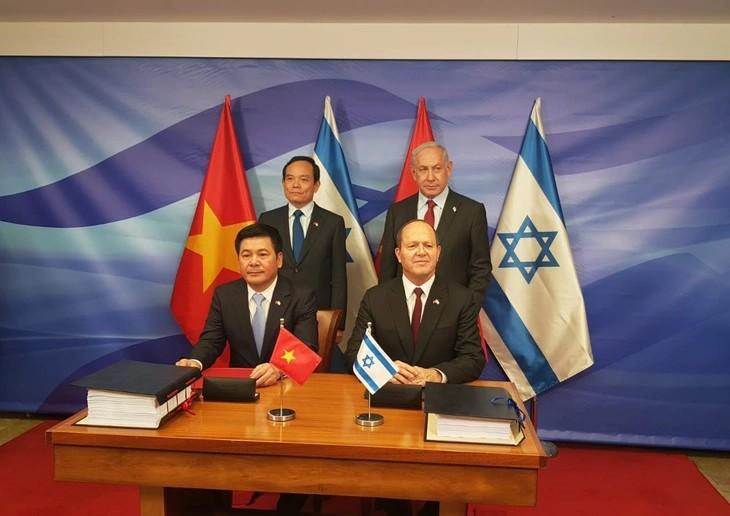
The Vietnam - Israel FTA (VIFTA) was officially signed on July 25, 2023, opening up great opportunities for Vietnamese goods to be exported to the Israeli market.
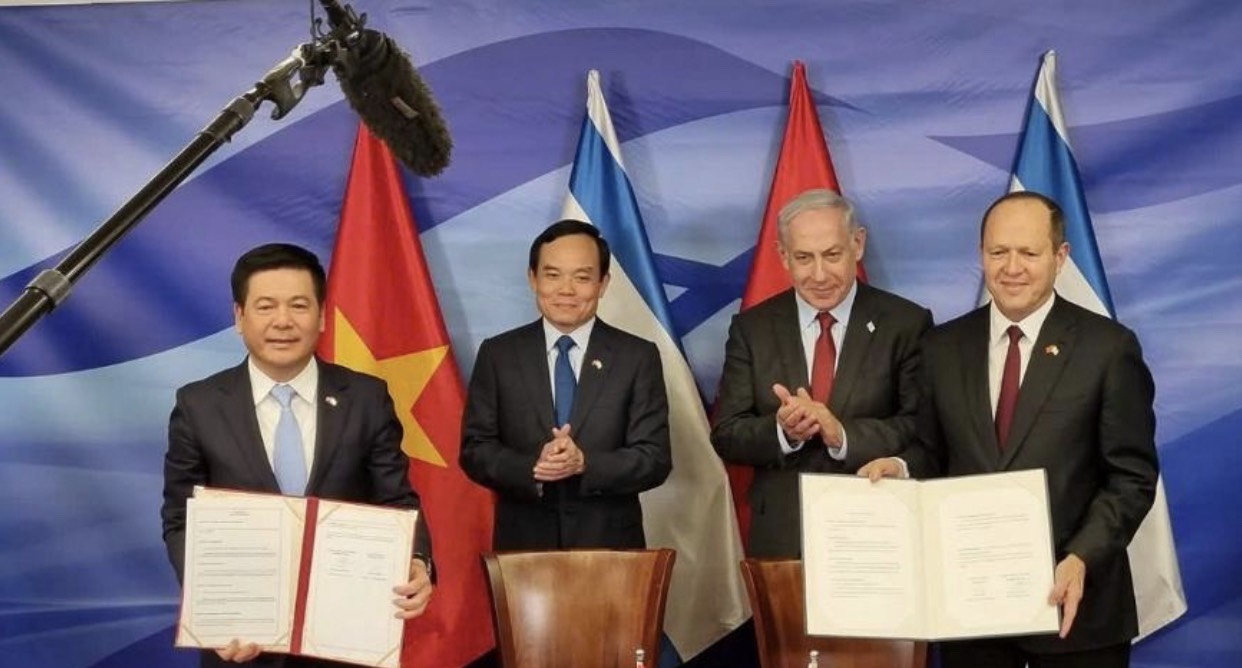
The Vietnam-Israel Free Trade Agreement (VIFTA) was signed by Vietnam's Minister of Industry and Trade Nguyen Hong Dien and Israel's Minister of Economy and Industry Nir Barkat at the Office of the Prime Minister of Israel in the presence of Mr. Prime Minister of the State of Israel Benjamin Netanyahu and Deputy Prime Minister of the Socialist Republic of Vietnam Tran Luu Quang. Dr. Le Quoc Phuong - Former Deputy Director of the Center for Industry and Trade - Ministry of Industry and Trade emphasized that the signing of VIFTA took place only 3 months after announcing the end of negotiations, this is with the efforts of the Ministry of Industry and Trade
Sharing about this FTA, Dr. Le Quoc Phuong said, our country's consistent policy from past to present is strong integration into the world economy; expand trade and investment relations with all countries.
“The Vietnam-Israel FTA is one of the latest FTAs that we have just signed. It clearly shows our policy of comprehensive and deep integration into the world economy and expanding relations with all economies. At the same time, diversify the import and export markets for our goods. This is a great effort of the Ministry of Industry and Trade in particular and other ministries in general," emphasized Dr. Le Quoc Phuong.
Opportunities for Vietnamese goods:
The signing of the FTA with Israel shows the great efforts of the Government and the Ministry of Industry and Trade in paving the way and opening up opportunities from FTAs.
In order to make good use of this FTA, Dr. Le Quoc Phuong said that businesses must thoroughly understand the market. At the same time, the enterprise's products must meet the standards and technical requirements of the markets. Currently, many FTAs require standards on environment, labor, use of human resources... but all of that, Vietnamese enterprises are still very weak.
In addition, businesses must learn carefully to understand the contents of the FTAs. At the same time, make good use of state support to innovate technology, improve product quality, lower costs...
Enterprises also need to make efforts to improve the localization rate. At the same time, learn to take advantage of the incentives on certificates of origin to make the most of the FTA. Only then can we take advantage of the incentives of the FTA.
The Panama Canal will further reduce the maximum allowable draft for Neopanamax vessels from late August 2026 as water levels in Gatun Lake continue to decline.
In modern logistics, delays are no longer viewed as mere inconveniences. They can result in significant financial losses, including reduced revenue, dissatisfied customers, increased warehousing costs, disrupted production schedules, and damaged business reputation
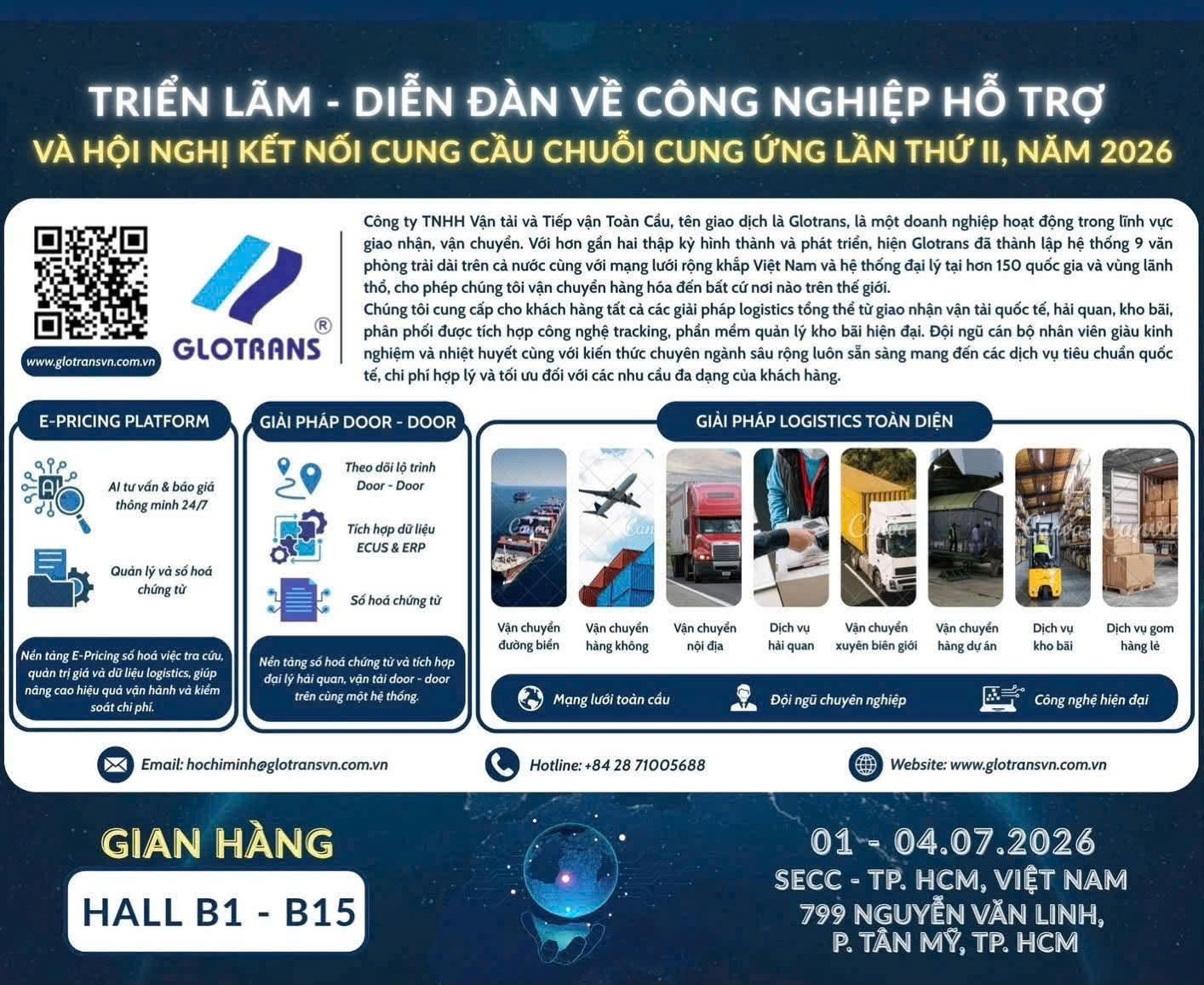
From July 1–4, 2026, Glotrans is participating in MTA Vietnam 2026, one of Vietnam's leading international exhibitions for precision engineering, manufacturing, and supporting industries, held at the Saigon Exhibition and Convention Center (SECC), Ho Chi Minh City.
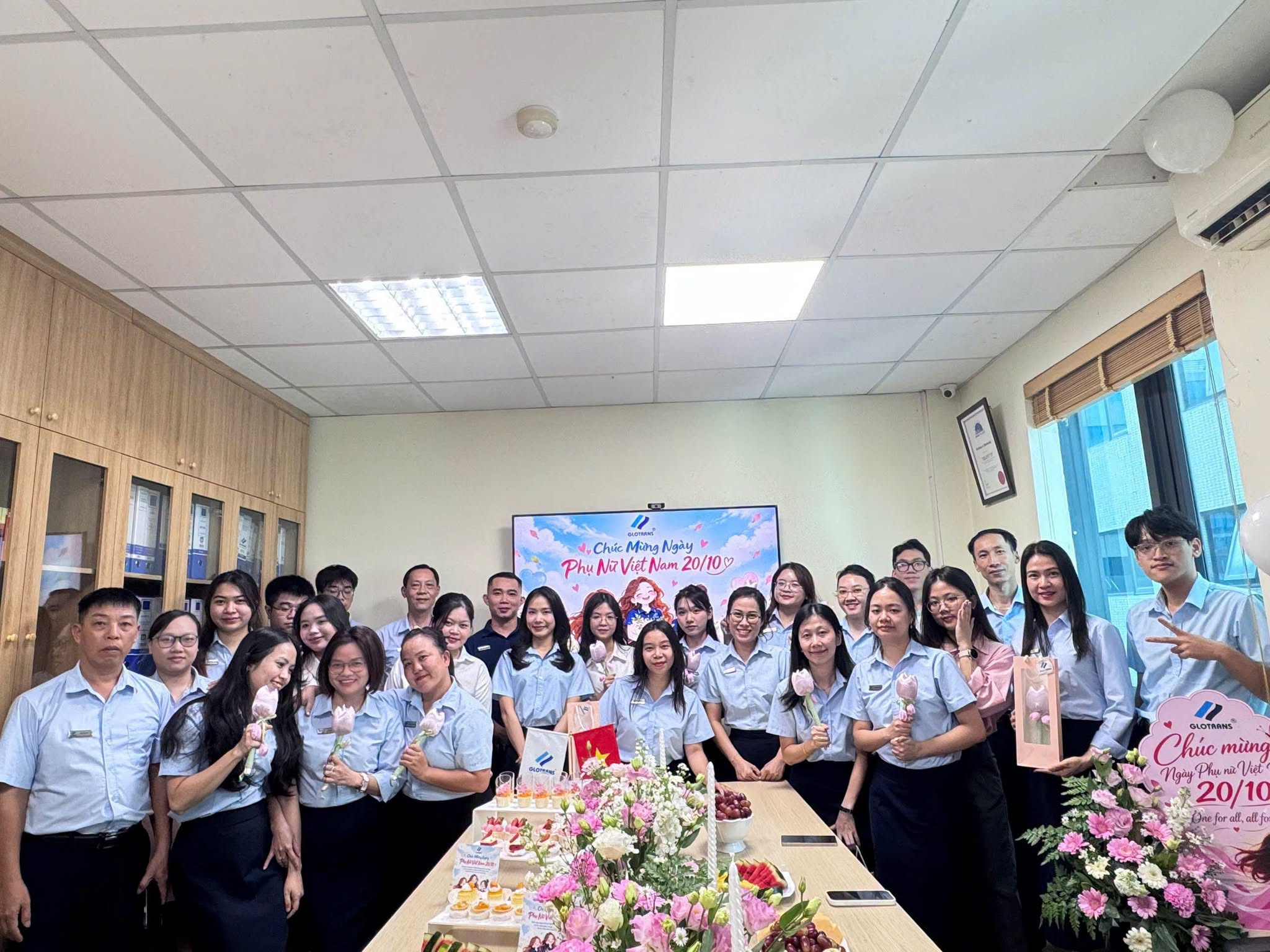
In celebration of Vietnamese Women’s Day on October 20, Glotrans branches across the entire system have organized meaningful activities, creating a warm, joyful atmosphere and many memorable moments for female employees.
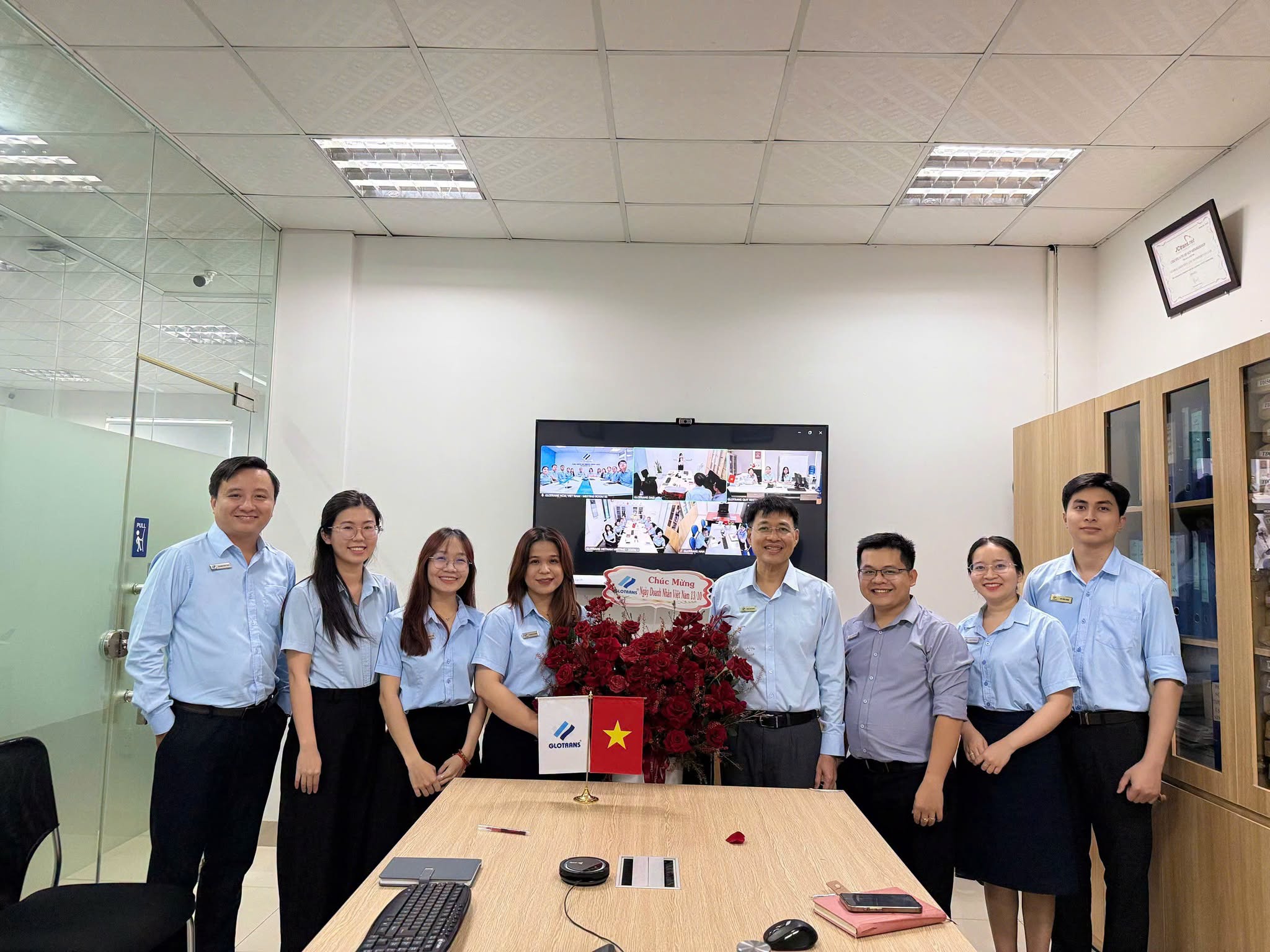
Vietnamese Entrepreneurs’ Day, celebrated on October 13, is an occasion to honor the contributions of the business community to the country’s economic development, while recognizing the resilience, innovative spirit, and ambition of those who lead businesses forward
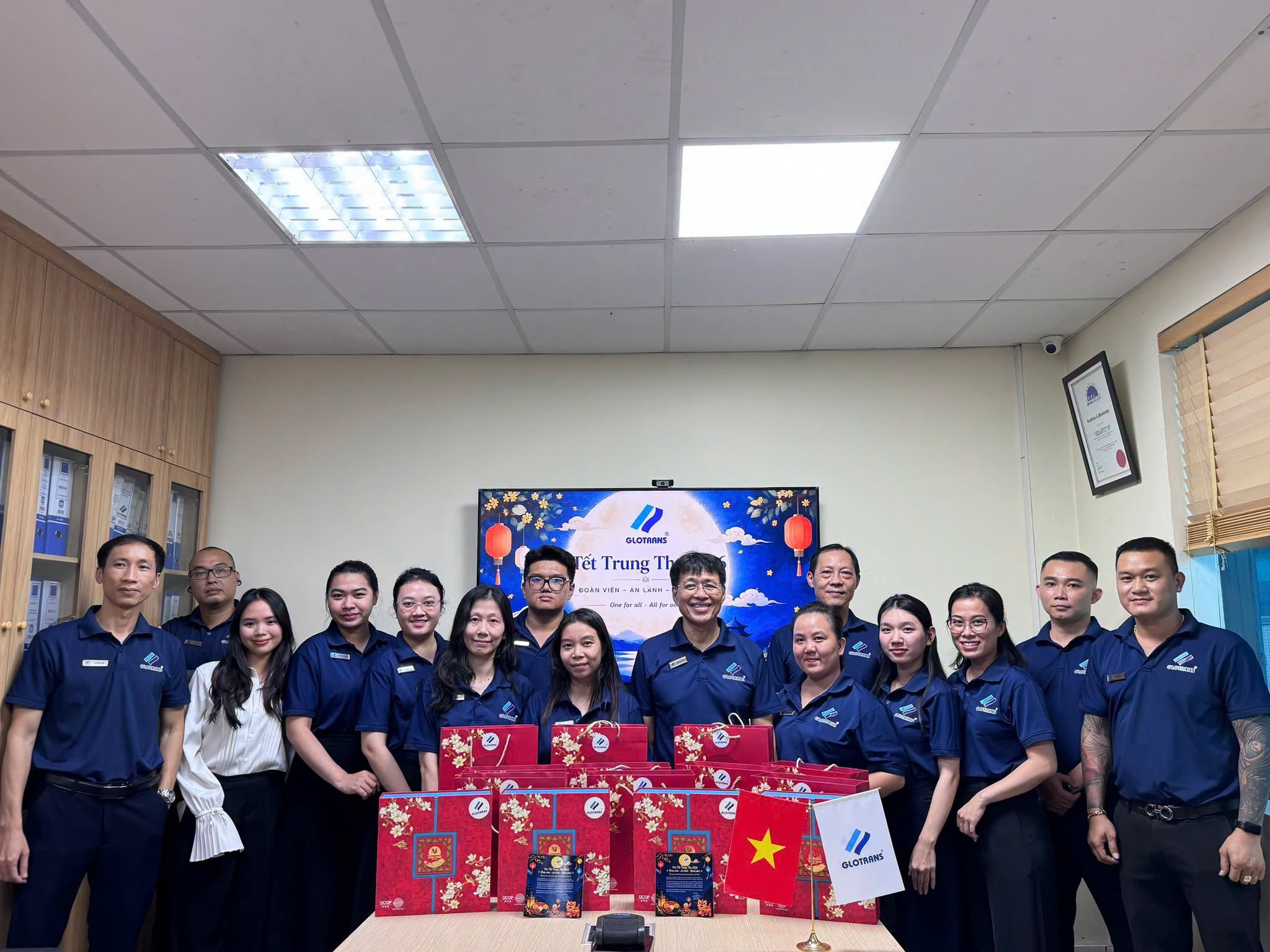
The Mid-Autumn Festival is not only a time for family reunions, but also a special occasion to share love, send warm wishes, and enjoy meaningful moments with our beloved colleagues.
The shipment of food additives was transported in container No. FCIU3301688 (20’), under B/L MPRSMUM1806, on the voyage from Nhavasheva Port (India) to Dinh Vu Port (Hai Phong, Vietnam) on 29/04/2017.
Company T (Plaintiff – the Insured) entered into an insurance contract with Company B (Defendant – the Insurer). After the insured event occurred, the Insurer alleged that the Insured had violated its obligation to prevent and mitigate losses. The Arbitral Tribunal acknowledged that such an obligation exists but concluded that the Insured did not breach it.
Under the insurance contract, the premium was to be paid in three installments, and in all three, the insured party was late in payment. When a dispute arose, the insurer (Defendant) argued that the insurance contract had terminated before the insured event occurred due to the late premium payment and therefore refused to make an insurance payout. However, the Arbitral Tribunal held a contrary view.