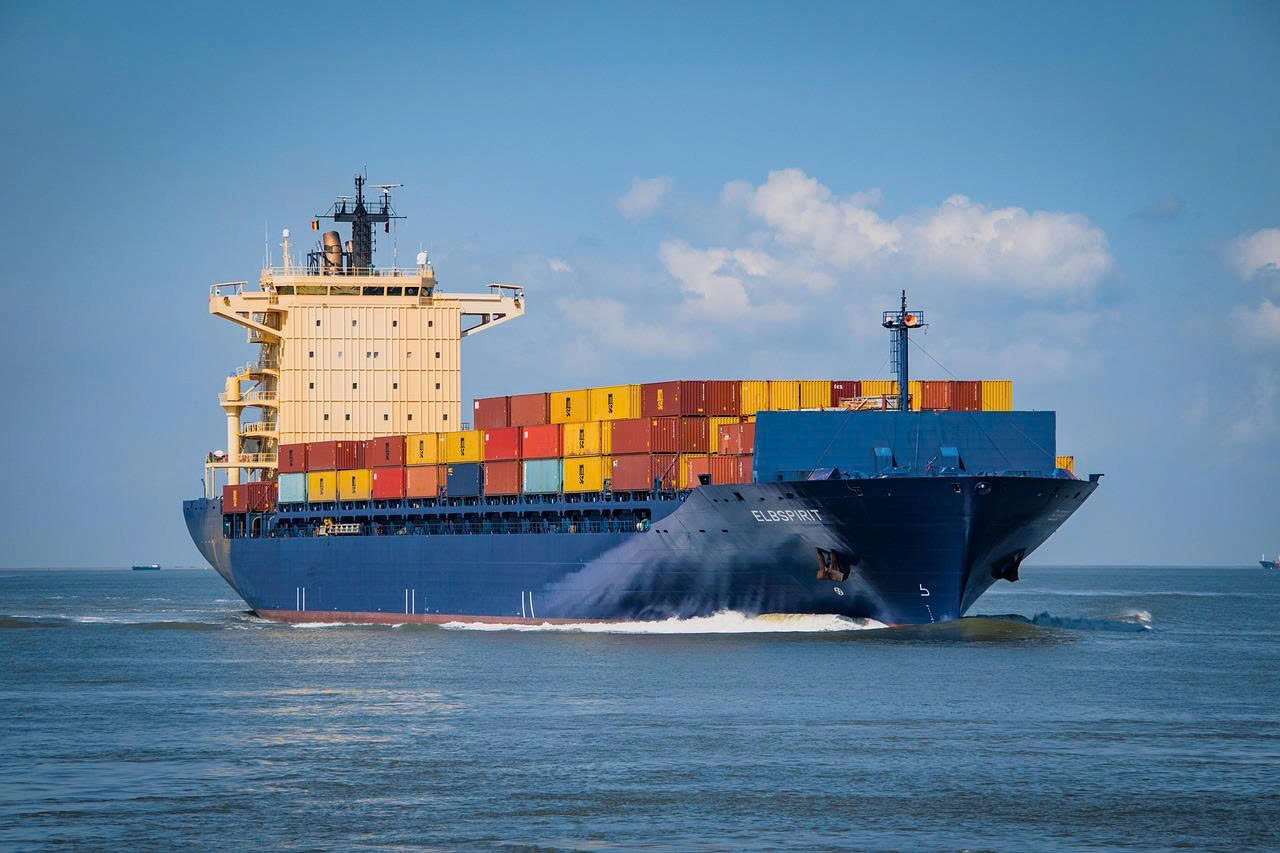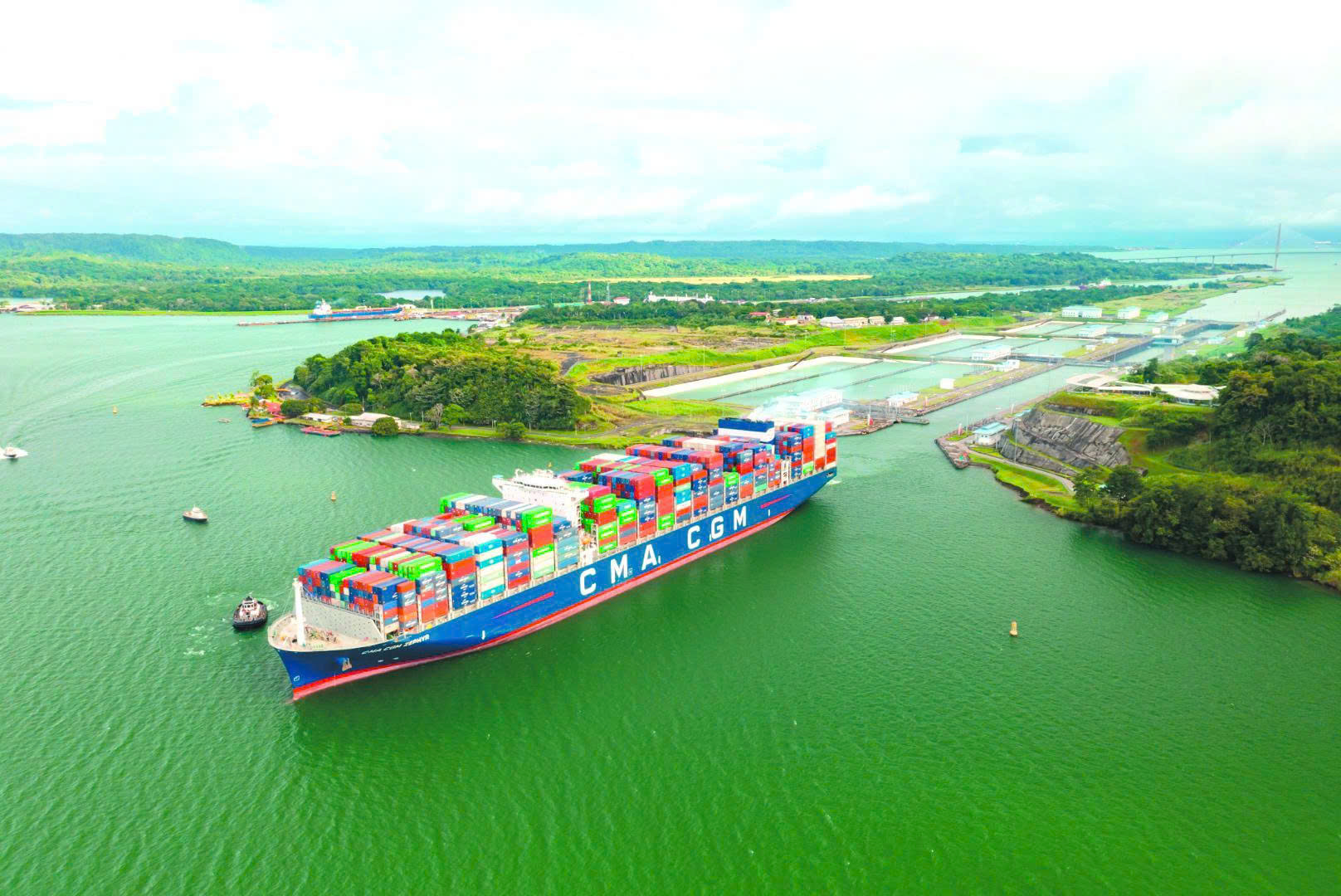
PANAMA CANAL TO FURTHER REDUCE DRAFT LIMIT FOR NEOPANAMAX VESSELS
The Panama Canal will further reduce the maximum allowable draft for Neopanamax vessels from late August 2026 as water levels in Gatun Lake continue to decline.
Air logistics is entering a new cycle. International demand is rising fast, shippers are prioritizing speed and reliability, and exporters face tighter scrutiny on documentation and origin. In this context, the real question is no longer whether Vietnam should expand air logistics, but how to build capacity in the right architecture—one that scales volumes while strengthening Vietnam’s role in regional supply chains.
Three building blocks stand out for the post-2026 runway: a dedicated cargo fleet (dynamic lift), airport-linked FTZ/bonded zones (ground-handling power), and clean growth (origin credibility that enables network expansion).
Cargo fleet: From concept to scheduled, networked capacity
Airports can add runway length, but cargo capacity increases meaningfully only when airlines operate regular cargo lift with consistent lanes. The article cites reporting that Vietnam Airlines plans to convert some A321 aircraft for regional cargo services from Q4/2025, while preparing for a dedicated cargo carrier expected to launch in 2026.
However, the fleet cannot sustain itself without three fundamentals: dense cargo flows, fast warehouse–handling chains, and smooth clearance/risk-control mechanisms. In other words, fleet development must sit inside a broader ecosystem design, not as a standalone aircraft decision.
Airport FTZ/bonded zones: Long Thanh works only if “the ground” works
In air logistics, flying is only half the story. The other half is ground speed—consolidation, sorting, storage, procedures, and transfer connectivity. The article points to the proven structure of “cargo airport + bonded/FTZ + sorting hub,” and notes that Long Thanh is being shaped in a similar direction, with proposals for an integrated air logistics center linked to a bonded zone/FTZ to support a regional hub role.
Market numbers underscore why ground capacity matters. For the first nine months of 2025, international cargo reached 946.2 thousand tons, up 22.9% year-on-year—signaling rising pressure on ground systems. Long Thanh therefore needs to be prepared as an operational cargo platform, not merely a construction project.
“Clean growth”: Origin credibility becomes a competitive requirement
What used to be framed as compliance risk is increasingly a competitive constraint as major markets tighten oversight. The article cites Reuters reporting that the U.S. referenced a 20% rate for many Vietnamese goods and 40% for goods deemed transshipped via Vietnam.
At the same time, Vietnam has reinforced enforcement against trade fraud and illegal transshipment (as referenced via Reuters in the article), focusing on stricter verification of imported inputs and exports labeled “Made in Vietnam,” especially where C/O requests spike unusually.
For businesses, “clean growth” is not a slogan—it is operational discipline: consistent documentation chains (inputs–BOM/standards–processing–finished goods), standardized traceability data, and readiness for post-clearance audits. For the national logistics system, it means building hubs and FTZs with data tools and risk governance, so the country can accelerate without creating exploitable loopholes.
Conclusion: The window opens only for those who build the right structure
Vietnam’s air logistics has a real window of opportunity as international demand rises and shippers seek stable transport networks. But opportunity turns into advantage only when three layers move in sync: cargo fleet for lift, Long Thanh and key airports for ground processing with FTZ/logistics centers, and origin credibility as the ticket to expand networks. When these components align, Vietnam will not only move more tons—but also move up in regional supply chains.
Source: collect
The Panama Canal will further reduce the maximum allowable draft for Neopanamax vessels from late August 2026 as water levels in Gatun Lake continue to decline.
In modern logistics, delays are no longer viewed as mere inconveniences. They can result in significant financial losses, including reduced revenue, dissatisfied customers, increased warehousing costs, disrupted production schedules, and damaged business reputation
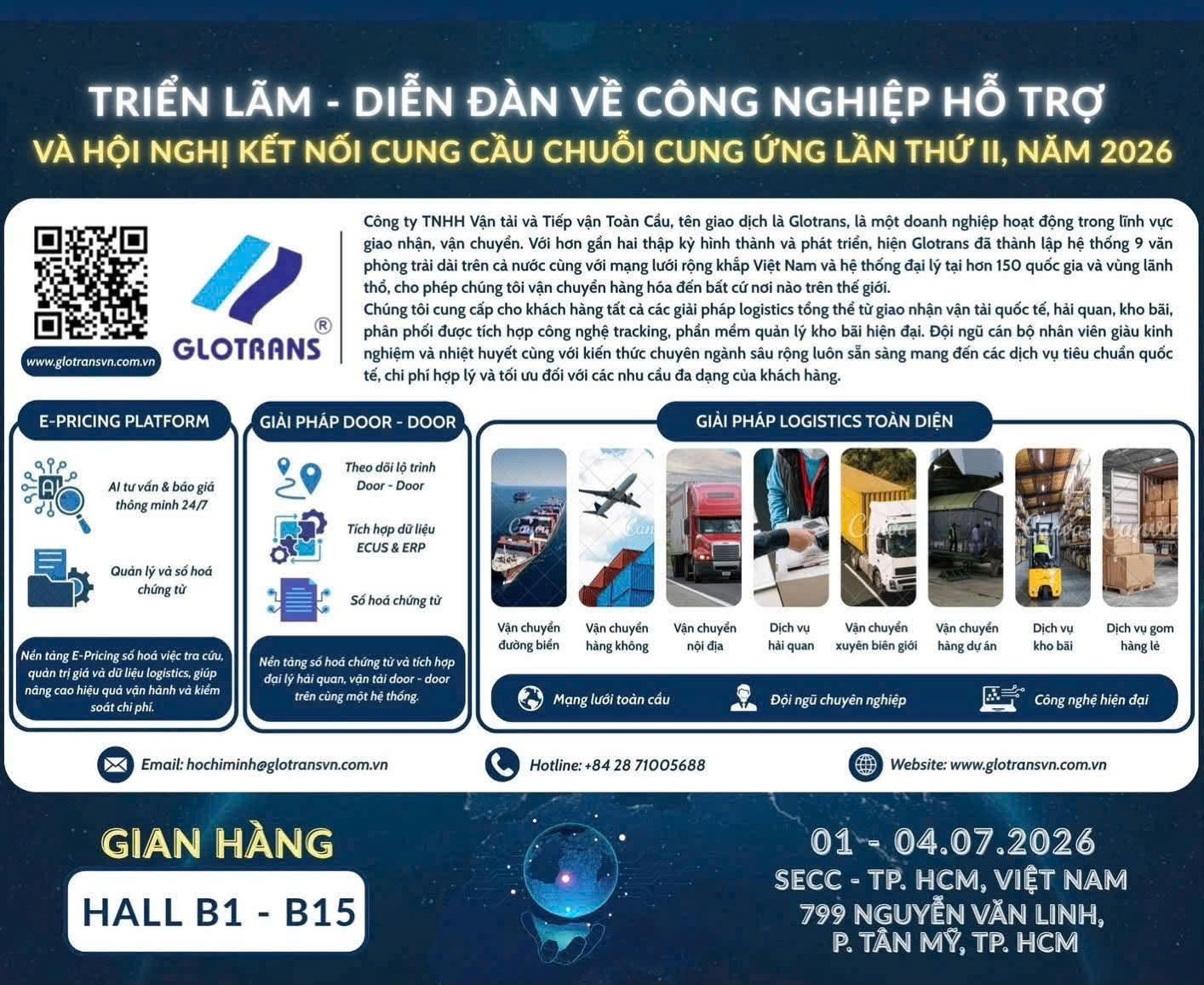
From July 1–4, 2026, Glotrans is participating in MTA Vietnam 2026, one of Vietnam's leading international exhibitions for precision engineering, manufacturing, and supporting industries, held at the Saigon Exhibition and Convention Center (SECC), Ho Chi Minh City.
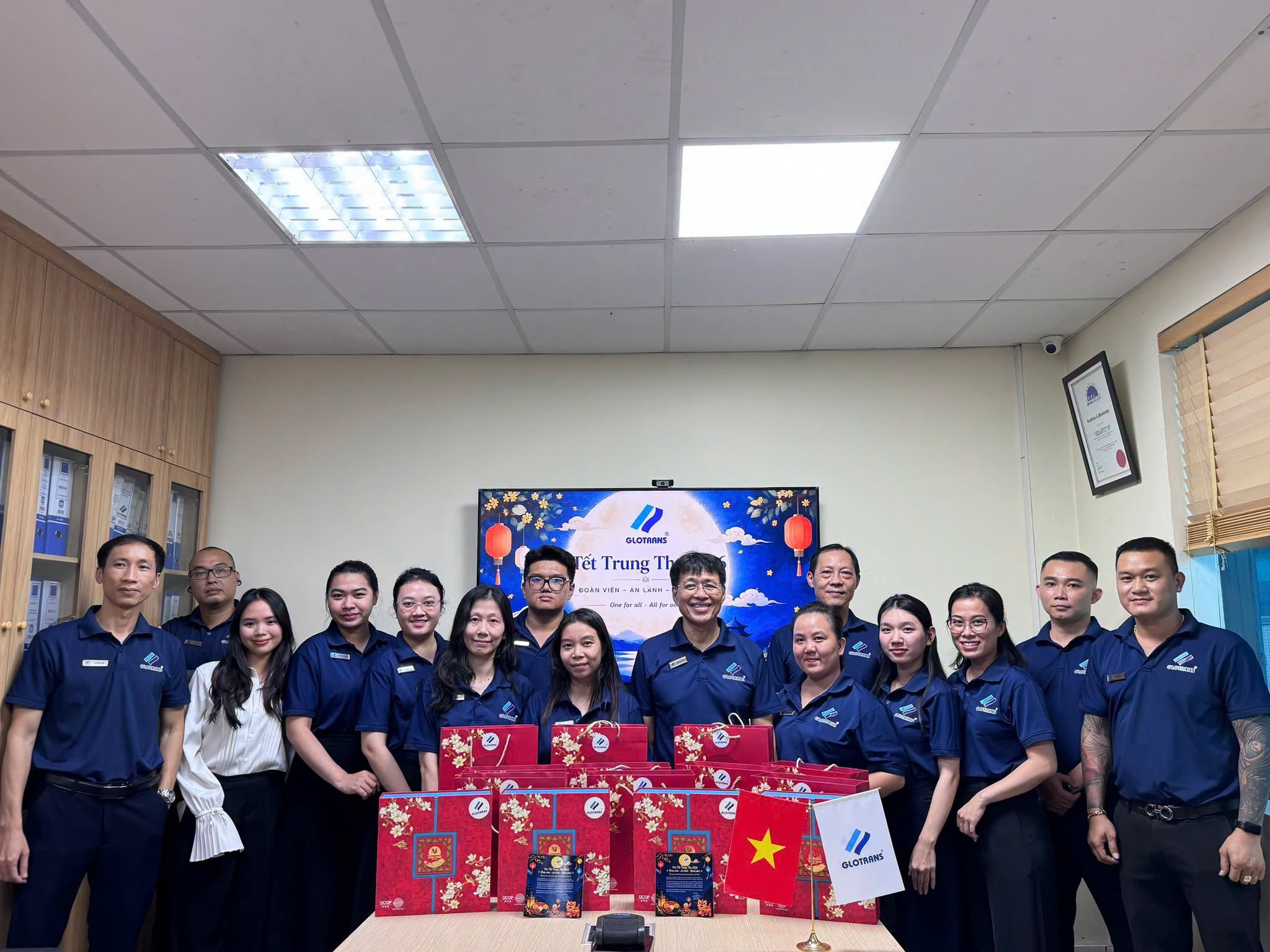
The Mid-Autumn Festival is not only a time for family reunions, but also a special occasion to share love, send warm wishes, and enjoy meaningful moments with our beloved colleagues.
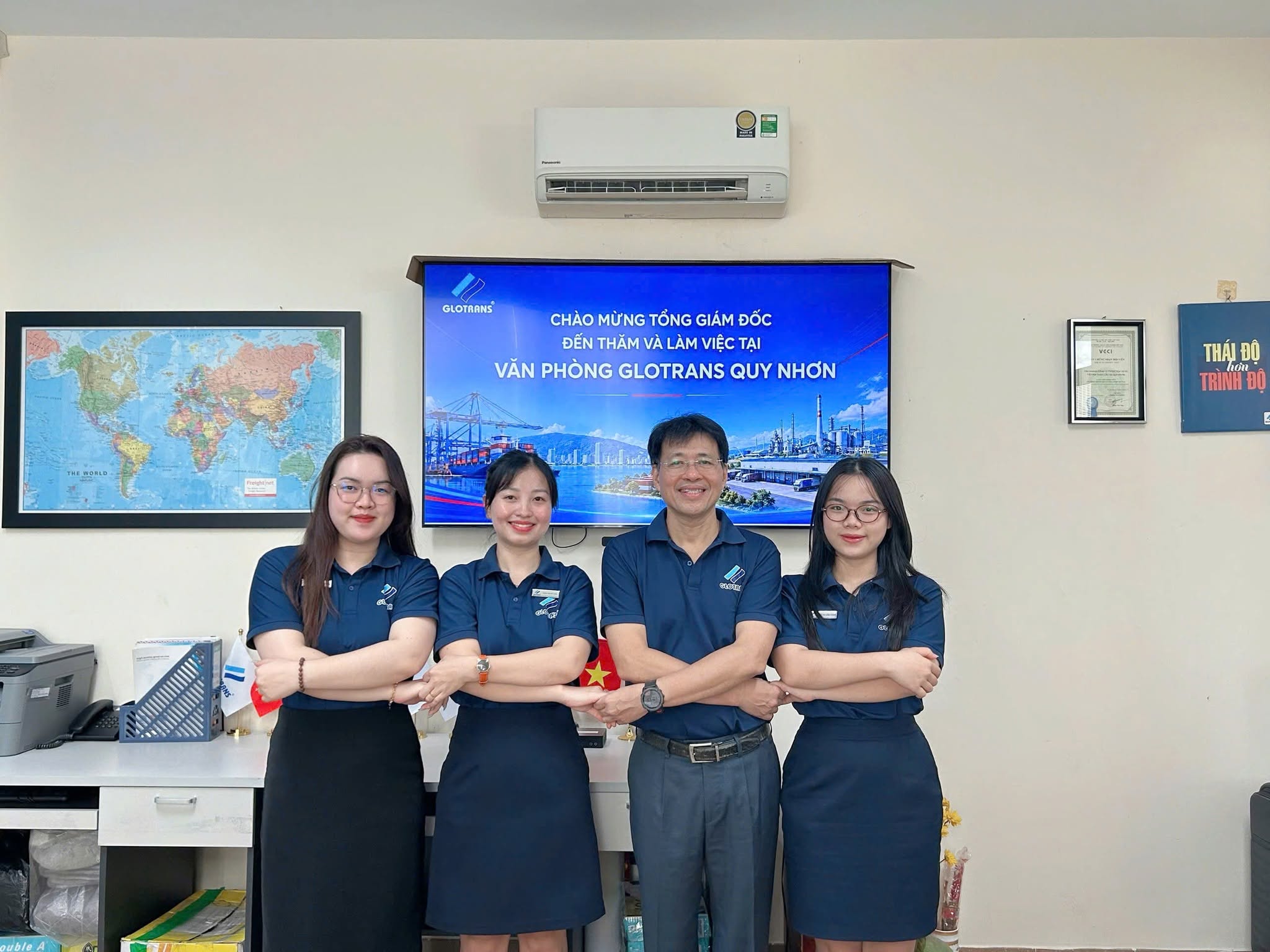
Over the past few days, GLOTRANS’s General Director has been traveling between offices, from Da Nang to Quy Nhon, to personally attend meetings reviewing the business performance of the first six months of the year, assess each office’s operations, and work with the teams to set goals for the next stage.
GLOTRANS would like to inform our Valued Customers and Partners of our holiday schedule for Vietnam’s National Day (2 September 2026) as follows:
The shipment of food additives was transported in container No. FCIU3301688 (20’), under B/L MPRSMUM1806, on the voyage from Nhavasheva Port (India) to Dinh Vu Port (Hai Phong, Vietnam) on 29/04/2017.
Company T (Plaintiff – the Insured) entered into an insurance contract with Company B (Defendant – the Insurer). After the insured event occurred, the Insurer alleged that the Insured had violated its obligation to prevent and mitigate losses. The Arbitral Tribunal acknowledged that such an obligation exists but concluded that the Insured did not breach it.
Under the insurance contract, the premium was to be paid in three installments, and in all three, the insured party was late in payment. When a dispute arose, the insurer (Defendant) argued that the insurance contract had terminated before the insured event occurred due to the late premium payment and therefore refused to make an insurance payout. However, the Arbitral Tribunal held a contrary view.